

Description
Blue Batak Green Beans take around nine months from flowering to fully ripened cherries, allowing slow flavour development. Production yields typically range from 800 to 1500 kg per hectare, reflecting a focus on quality rather than mass output. This careful cultivation supports a more refined and expressive coffee.
The beans thrive in 13–28°C temperatures with rainfall between 100 and 3000 mm annually. Grown at elevations of 1200–1700 masl in nutrient-rich volcanic soil, Blue Batak Green Beans develop their signature clarity and sweetness. These conditions also enhance aroma, structure and depth across different roast styles.
Origin and Production Areas
Proudly sourced from Indonesia, Blue Batak Green Beans represent a long tradition of skilled coffee cultivation. Their origins in Sumatra, Java and Bali contribute to the diversity of flavours associated with this variety. Each region offers microclimates that help shape the beans’ distinctive aromatic and flavour attributes.
These production areas are known for fertile volcanic landscapes and experienced smallholder communities. Traditional farming systems supported by generations of expertise ensure that Blue Batak Green Beans maintain consistent quality. Their careful handling and regional terroir remain central to their strong reputation in speciality markets worldwide.
Physical Traits and Cup Character
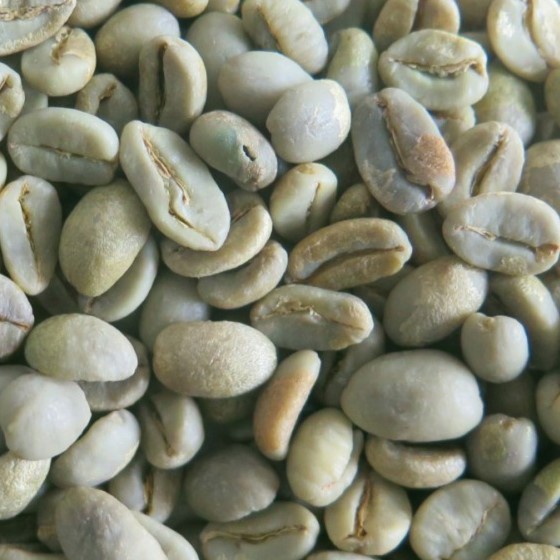
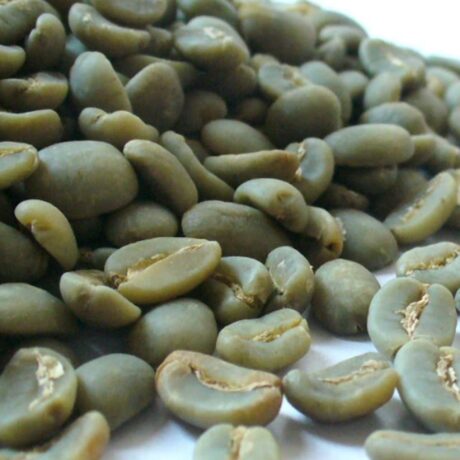
Blue Batak Green Beans feature flat seeds with a clear midline, promoting even roasting and consistent heat absorption. Their caffeine content ranges from 0.8–1.4%, offering a balanced cup suitable for daily consumption. Physically and chemically, these beans are excellent candidates for both single-origin offerings and blend enhancement.
The cup profile includes a harmonious blend of herbal notes, chocolate hints, almond sweetness and subtle spice. A smooth finish and gentle acidity create a well-rounded flavour experience that is easy to appreciate. These traits make the beans ideal for roasters seeking balanced complexity with dependable performance across brewing methods.
Harvesting and Processing Method
Harvesting practices for Blue Batak Green Beans involve careful selection of ripe cherries to ensure quality. While historical traditions involved civet-related processing, modern practices prioritise selective hand-picking for ethical and consistent quality reasons. This method ensures only mature cherries enter processing.
The beans undergo semi-washed processing followed by manual dry hulling. This approach preserves natural sweetness, accentuates clarity and maintains the herbal-spicy identity the variety is known for. The result is a clean, expressive and dependable Indonesian coffee suitable for premium roasting applications.
Characteristics of Blue Batak Coffee Beans
- Fragrance/Aroma: Blue Batak coffee entices the senses with its fresh, nutty aroma, accompanied by notes of vanilla and a delicate almond fragrance.
- Flavor: This exquisite coffee offers a unique flavor profile that is herbal, refreshing, and pleasantly spicy, providing a truly invigorating taste experience.
- Acidity: Blue Batak coffee is characterized by a soft to medium acidity, adding subtle brightness to its overall flavor profile.
- Body: With a soft and mild body, Blue Batak coffee delivers a smooth and enjoyable mouthfeel.
Specifications of Blue Batak Coffee Beans
- Screen Size: Blue Batak coffee beans typically have a screen size ranging from 15 to 18, indicating the size of the coffee beans.
- Moisture: The maximum moisture content of Blue Batak coffee is 13%, ensuring optimal quality and shelf life.
- Triage: The triage, or the percentage of defective beans, is kept to a maximum of 6-8% during the sorting process, ensuring a high-quality end product.
- Defect Value: Blue Batak coffee maintains a defect value of 6-8, ensuring minimal defects in the beans.
Description Scheme of Blue Batak Green Coffee Beans
- Time from Flowers to Be Berry: The coffee cherries take approximately 9 months to develop from the flowering stage to ripe berries, allowing ample time for flavor development.
- Production (Kg/Ha): This coffee is cultivated with care, with production typically ranging from 800 to 1500 kilograms per hectare, ensuring attention to detail and quality.
- Optimal Temperature: The optimal temperature range for coffee cultivation is between 13 to 28°C, providing the ideal conditions for the beans to develop their unique flavors.
- Optimal Rainfall: This coffee thrives in areas with an optimal rainfall range of 100 to 3000 millimeters, ensuring proper hydration for the coffee plants.
- Altitude: Grown at altitudes ranging from 1200 to 1700 meters above sea level (asl), it benefits from the unique terroir, which imparts distinct characteristics to the beans.
- Soil Type: This coffee thrives in black soil or soil formed of young materials rich in volcanic nutrients and micro-nutrients vital for plant growth.
- Country of Origin: Proudly sourced from Indonesia, known for its rich coffee heritage and diverse coffee varieties.
- Production Areas: Primarily cultivated in Arabica plantations across Sumatra, Java, and Bali, regions known for their ideal coffee-growing conditions.
- Caffeine Content: This coffee typically contains a caffeine content ranging from 0.8 to 1.4%, providing a moderate caffeine boost for coffee enthusiasts.
- Form of Seeds: The coffee seeds have a flat shape with a distinct, clear midline, a characteristic feature that distinguishes them visually.
- Character Stew: It offers a harmonious balance of body, acidity, and sweetness, presenting fine chocolate and almond flavors and creating a delightful and well-rounded cup of coffee.
- Method of Harvest: The coffee cherries are meticulously harvested, often utilizing a unique method of collecting the secretion of the Luwak, a civet-like animal, ensuring a distinctive flavor profile.
- Processing Method: It undergoes a semi-washed cleaning and manual dry hulling process, preserving its unique characteristics and ensuring quality control.

Reviews
There are no reviews yet.