This wine-style processing highlights the natural sugars and aromatic compounds within the coffee cherry. Rather than imitating wine itself, the fermentation process develops fruity depth, floral nuances, and gentle chocolate notes that become more pronounced after roasting. This processing method has gained strong popularity among specialty roasters aiming to create memorable and premium coffee offerings.
Characteristics and Flavour Profile
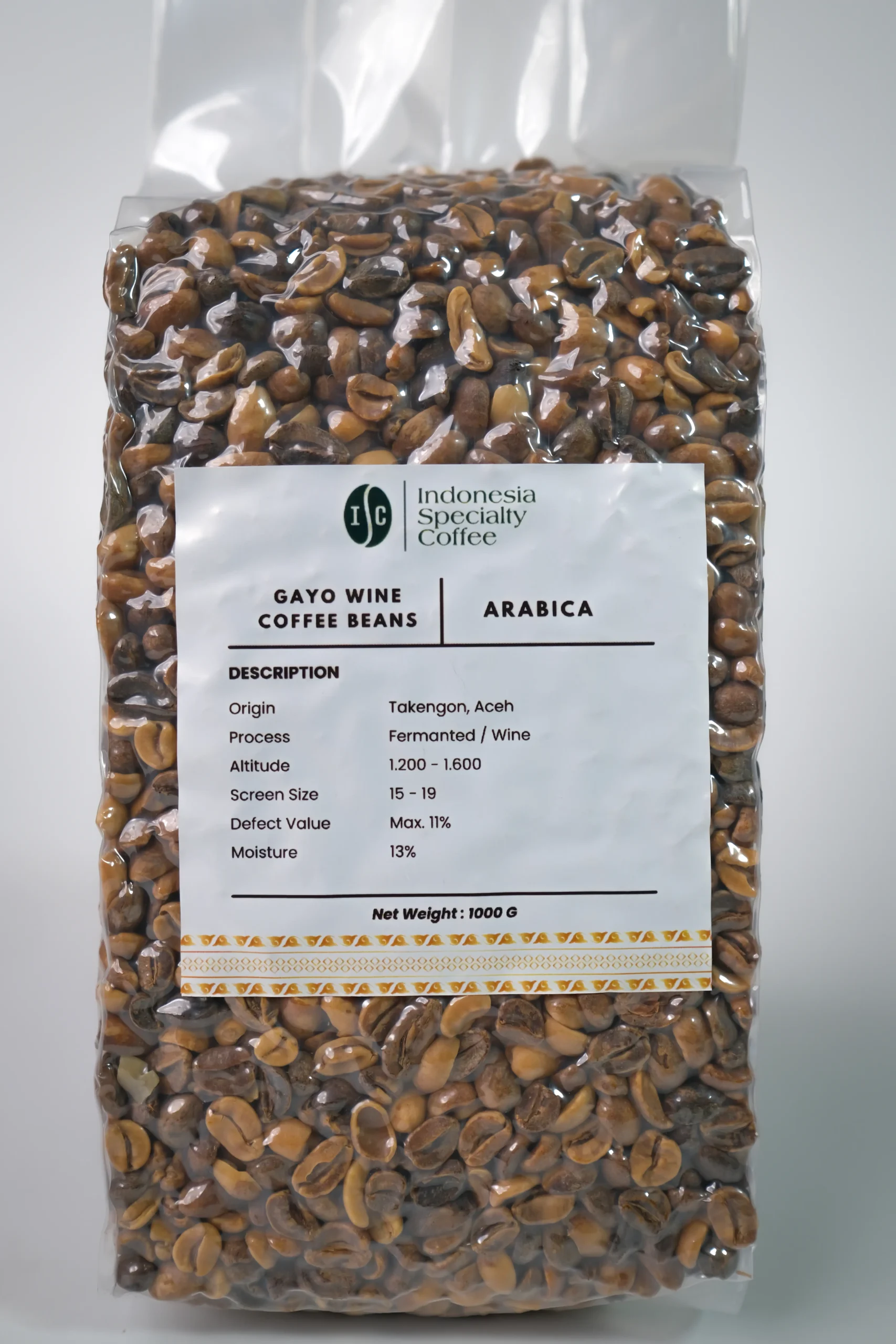
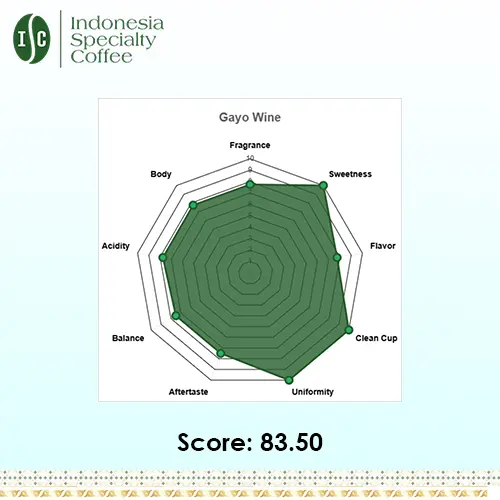
Gayo Wine Green Coffee Beans are recognised for their vibrant aromatics and layered flavour structure. When roasted, they commonly reveal floral aromas, soft spice, and hints of dark chocolate, producing a refined and elegant cup. The flavour balance is achieved through careful fermentation rather than added ingredients or external flavouring.
In the cup, these beans typically display medium to high acidity paired with a smooth, well-structured body. The acidity is lively yet controlled, while the mouthfeel remains soft and rounded. This balance allows the wine-like characteristics to stand out without overpowering Gayo coffee’s naturally clean and balanced profile, making it suitable for both filter and espresso roasting styles.
Origin, Growing Conditions, and Availability
Gayo Wine Green Coffee Beans originate exclusively from Indonesia’s Aceh Gayo Highlands, one of the country’s most respected Arabica-growing regions. These highland areas provide ideal conditions, with elevations ranging from 1200 to 1700 metres above sea level, fertile volcanic soil, and stable temperatures between 13 and 28°C throughout the growing cycle.
Production is limited due to the precise fermentation requirements and selective harvesting practices. This controlled availability enhances exclusivity, making Gayo Wine an attractive option for roasters seeking distinctive single-origin or micro-lot coffees.
Processing Method and Production Scheme
The defining feature of Gayo Wine Green Coffee Beans is the fermentation-based processing method. Carefully selected ripe coffee cherries undergo extended fermentation using a combination of wet and dry hulling techniques, encouraging deeper flavour development while preserving bean integrity and consistency.
From flowering to berry maturation, the cultivation cycle spans approximately nine months, with yields ranging from 800 to 1500 kilograms per hectare. Harvesting is carried out through both mechanical and hand-picking methods to ensure optimal ripeness. The result is a meticulously processed green coffee designed for specialty and experimental roasting programs.


Reviews
There are no reviews yet.