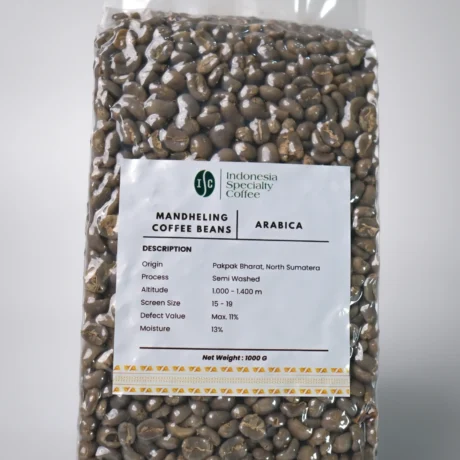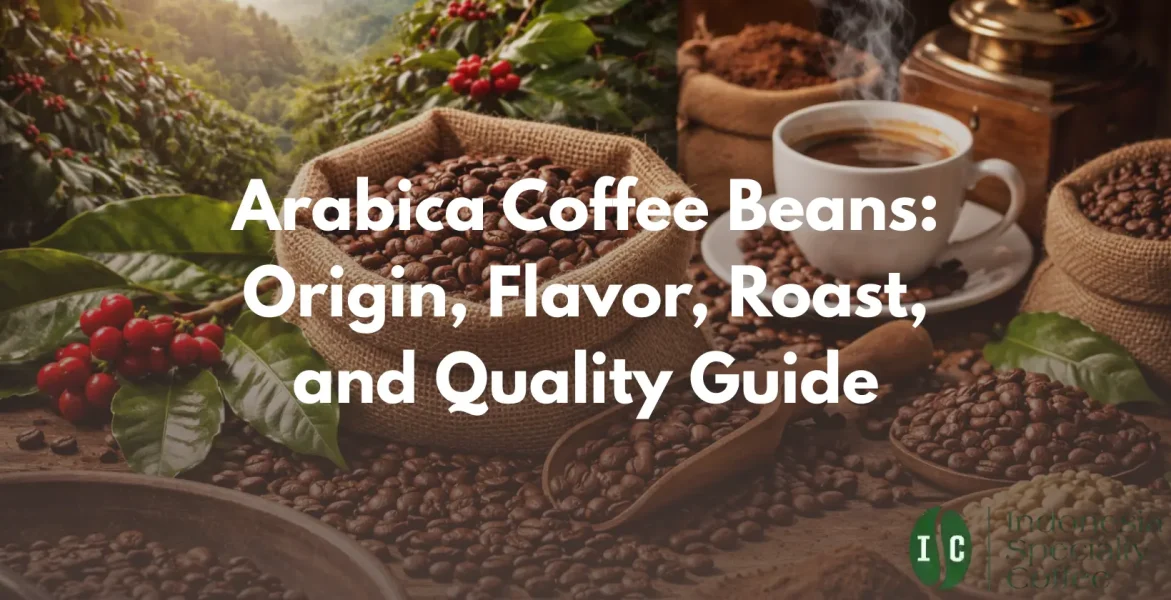
Arabica coffee beans come from the species Coffea arabica and form the foundation of the global specialty coffee market. Buyers prefer arabica for its lower bitterness, layered aroma, and refined acidity. Most high-quality arabica grows at higher elevations, where cooler temperatures slow cherry development and produce denser beans with greater flavor potential.
For buyers, arabica fits evaluation systems that prioritize consistency, clarity, and traceability. A practical buying framework starts with verifying species and origin transparency. Next, buyers assess processing methods, as these directly affect sweetness, acidity, and aroma expression. Finally, roast level should align with the intended brew method, whether filter, espresso, or milk-based drinks.
What Are Arabica Coffee Beans?
Arabica coffee beans are the seeds found inside cherries from the Coffea arabica plant, a species within the Rubiaceae family. These beans are traded as green coffee for roasting or sold as roasted coffee for direct consumption. Compared to robusta, arabica naturally contains less caffeine, which contributes to a smoother cup with reduced bitterness.
From a production standpoint, arabica plants self-pollinate more frequently, helping maintain flavor consistency within specific cultivars. However, arabica is more sensitive to climate shifts, pests, and disease. This sensitivity increases production costs and requires careful farm management, selective harvesting, and precise post-harvest handling. These factors explain why high-quality arabica often commands a premium.
Origin and Growing Conditions of Arabica Beans
Arabica coffee beans perform best in cooler climates with stable weather patterns. Higher elevations encourage slower maturation, which increases bean density and supports more even heat absorption during roasting. Mild daytime temperatures and cool nights preserve organic acids and aromatic compounds essential for flavor clarity.
Origin influences flavor through climate, soil composition, and processing practices rather than geography alone. Ethiopian arabica often presents floral aromatics and bright fruit when fermentation is well managed. Colombian arabica typically offers balanced sweetness, citrus acidity, and structured body. Buyers should treat origin as a guide to expected profiles, not a fixed promise.
Flavor Profile of Arabica Coffee Beans
Arabica coffee beans are known for their clean acidity, natural sweetness, and complex aroma. Acidity can range from citrus and malic to wine-like, depending on origin and process. Sweetness often recalls caramel, honey, or ripe fruit when roasting maintains structural balance. These characteristics make arabica the preferred choice for specialty filter coffee.
Processing methods significantly shape flavor expression. Washed arabica usually delivers higher clarity and brighter acidity, while honey or natural processing can enhance sweetness and fruit depth. Consistent cupping protocols help buyers compare samples accurately by isolating variables such as origin, processing, and roast development.
Roast Levels and Their Impact on Arabica Beans
Roasting transforms arabica coffee beans by altering acids, sugars, and volatile aromatics. Light roasts preserve origin character and emphasize acidity and aroma complexity. Medium roasts balance sweetness, body, and acidity, making them versatile across brew methods. Dark roasts introduce stronger roast flavors while reducing origin-specific nuance.
Selecting the right roast level depends on brewing goals. Light roasts work well for pour-over, batch brew, and cupping. Medium roasts are often preferred for espresso and milk-based drinks due to their balanced structure. Dark roasts suit bold flavor profiles and milk-heavy beverages where intensity is required.
The Best Brewing Methods
Brewing methods that highlight clarity and aroma tend to showcase arabica coffee beans effectively. Pour-over methods such as V60 or Kalita emphasize acidity and layered aromatics. Batch brewers provide consistency and repeatability for daily service. Espresso can also express arabica well when grind size and extraction variables are tightly controlled.
Extraction control plays a critical role. Overly fine grinds and long brew times can introduce bitterness, while coarse grinds and short contact times may cause sourness from under-extraction. Adjusting grind size and brew parameters systematically helps stabilize results across different equipment.
How to Identify High-Quality Arabica Coffee
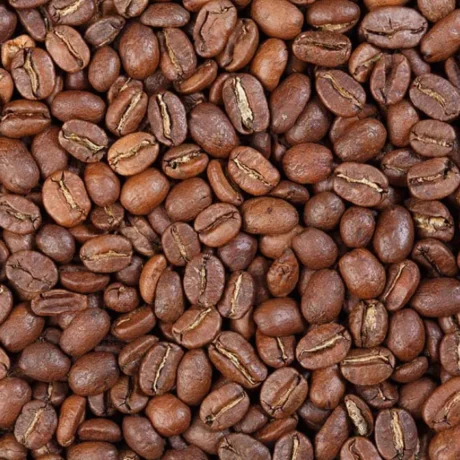
High-quality arabica coffee beans display physical uniformity and minimal defects. Even bean size and consistent color indicate careful sorting and grading. For green coffee, high density and low defect counts support predictable roasting. For roasted beans, uniform color and controlled surface oil development signal proper roast management.
Freshness remains essential. Buyers should look for clear roast dates rather than generic expiration labels. Quality packaging should include a one-way valve and airtight sealing to limit oxygen exposure. Proper storage recommendations should emphasize cool, dry environments away from light and strong odors.
Conclusion
Arabica coffee beans deliver refined aroma and balanced sweetness when buyers rely on clear quality indicators. Verifying species, origin transparency, and processing method reduces risk and simplifies comparison across suppliers. These objective checks lead to more consistent purchasing outcomes.
At Specialtycoffee.id, the arabica selection is based on traceable origins, controlled processing, and strict quality evaluation. Each coffee is chosen to meet specialty standards for clarity, balance, and consistency. This structured approach helps buyers secure dependable quality without relying on vague claims or short-term trends.
Choose arabica with confidence. Specialtycoffee.id delivers carefully selected, freshly roasted arabica coffee beans designed for reliable performance cup after cup.