Bulk coffee beans play a critical role in cost control, consistency, and supply stability for cafés, roasters, offices, and retail programs. When managed correctly, bulk purchasing reduces unit costs and simplifies long-term planning. However, it also requires clear systems for freshness, storage, and inventory rotation.
This guide from Specialtycoffee.id explains what bulk coffee beans are, how businesses use them, and what buyers should consider when sourcing at scale. It covers definitions, quality standards, logistics, and storage practices using clear, practical procurement language.
What Is the Definition of Bulk Coffee Beans?
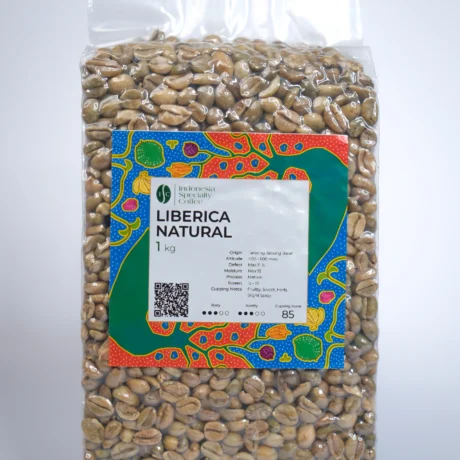
Bulk coffee beans are coffee products sold in large volumes, typically priced by weight and packed for wholesale or repeated commercial use. They may be offered as green coffee, roasted whole beans, or ground coffee, depending on buyer capability and service needs.
In bulk transactions, suppliers label coffee by lot, origin, crop year, and roast date. This traceability helps buyers manage inventory, handle quality claims, and maintain consistency across multiple locations. While bulk purchasing offers better pricing and availability, buyers take on greater responsibility for proper handling and storage.
Clear specifications and documented agreements help prevent misunderstandings, especially when substitutions or delays occur due to seasonal supply changes.
Benefits of Buying Bulk Coffee Beans for Cafes and Businesses
Cafés use bulk coffee beans to maintain stable flavor profiles across espresso and filter menus. Office and hospitality programs benefit from simplified ordering cycles and predictable per-cup costs. For roasters, bulk sourcing supports production planning, wholesale commitments, and reduced operational downtime.
The main risk in bulk buying is freshness loss. To manage this, buyers should align purchase volumes with actual sales velocity. Reorder points should reflect weekly usage and supplier lead times. When demand fluctuates, staged deliveries or split shipments help prevent overstocking and waste.
Bulk Coffee Formats and Freshness Management
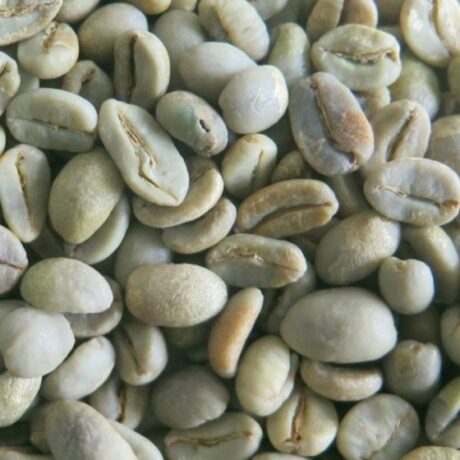
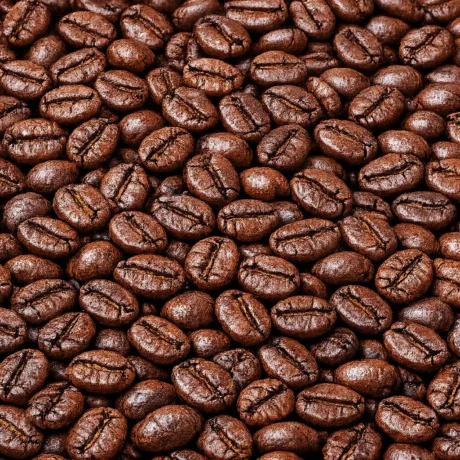
Bulk coffee is commonly sold in three formats: green coffee, roasted whole beans, and ground coffee. Whole beans are preferred for bulk use because grinding accelerates oxidation and aroma loss. Green coffee offers the longest shelf life but requires roasting capacity and quality control expertise.
Roasted coffee provides convenience and immediate use but demands strict attention to roast dates, packaging quality, and degassing behavior. Buyers should confirm packaging materials, valve types, and food safety compliance. Consistent roast profiles and fill weights help ensure repeatability between deliveries.
Quality Specifications and Acceptance Standards
Successful bulk procurement depends on measurable quality standards. Instead of vague labels such as “premium” or “grade A,” buyers should define acceptance criteria clearly.
For green coffee, this includes moisture content, water activity, screen size, density, and defect limits. For roasted coffee, buyers should specify roast color targets, flavor expectations, and limits on defects such as quakers or scorching. Samples from each lot should be evaluated using a consistent cupping protocol.
Documented acceptance windows and claim procedures help resolve issues efficiently and protect both parties.
Supplier Evaluation and Compliance Checks
Reliable bulk suppliers maintain strict lot separation, traceability, and documented handling processes. Buyers should verify food safety systems, allergen controls, and recall procedures, especially when facilities handle multiple products.
Supplier scorecards are useful tools for tracking delivery accuracy, defect rates, responsiveness, and documentation quality. Certifications may support marketing claims, but buyers should always confirm their scope and validity. For roasted coffee programs, technical support and brew guidance are additional value points.
Bulk Coffee Ordering, Shipping, and Logistics Planning
Lead times for bulk coffee vary by origin, processing stage, and shipping conditions. Buyers should define incoterms, inspection windows, and freight responsibilities in writing. Minimum order quantities, pallet configurations, and production cutoffs should be confirmed in advance.
For imported green coffee, moisture control is critical. Container liners, desiccants, and temperature monitoring help protect quality during transit. Receiving teams should follow standardized checklists to document seal integrity, damage, and environmental exposure upon arrival.
Storage, Handling, and Inventory Controls
Bulk coffee beans should be stored in cool, dry areas away from sunlight, chemicals, and strong odors. Proper pallet spacing and airflow reduce condensation risk. Lot codes, roast dates, and opening dates must be tracked to maintain first-in, first-out rotation.
Opened bags should be resealed tightly. For roasted coffee, usage within two weeks of opening is recommended for the best aroma and flavor. Green coffee benefits from humidity monitoring and regular stock rotation to maintain physical stability.
Conclusion: How to Buy Bulk Coffee Beans Consistently
Bulk coffee beans offer cost efficiency and consistency when buyers manage specifications, storage, and ordering cadence with discipline. Strong procurement relies on clear quality targets, verified samples, and contracts that define remedies before issues arise.
By separating bean costs from services and tracking supplier performance, businesses can compare offers fairly and build resilient supply partnerships. Specialtycoffee.id supports buyers with traceable sourcing, clear specifications, and dependable logistics to help cafés, roasters, and businesses maintain quality and confidence as they scale.