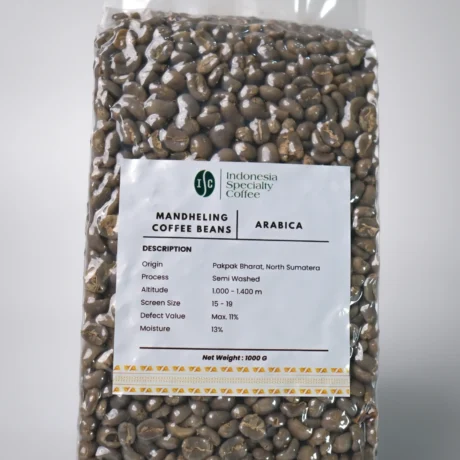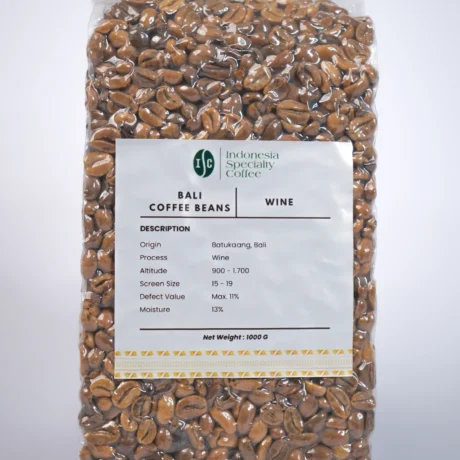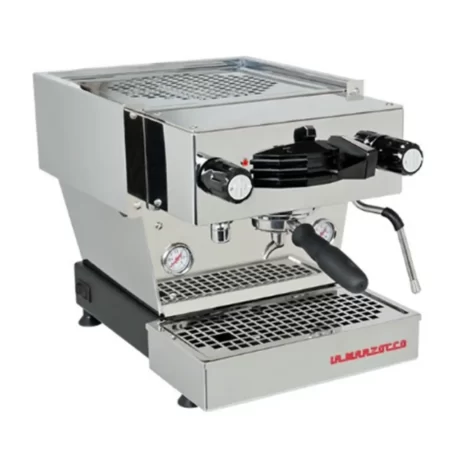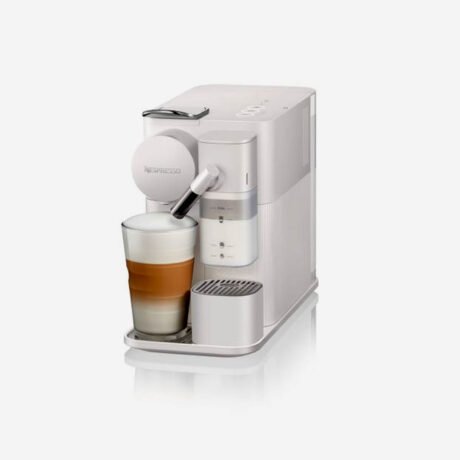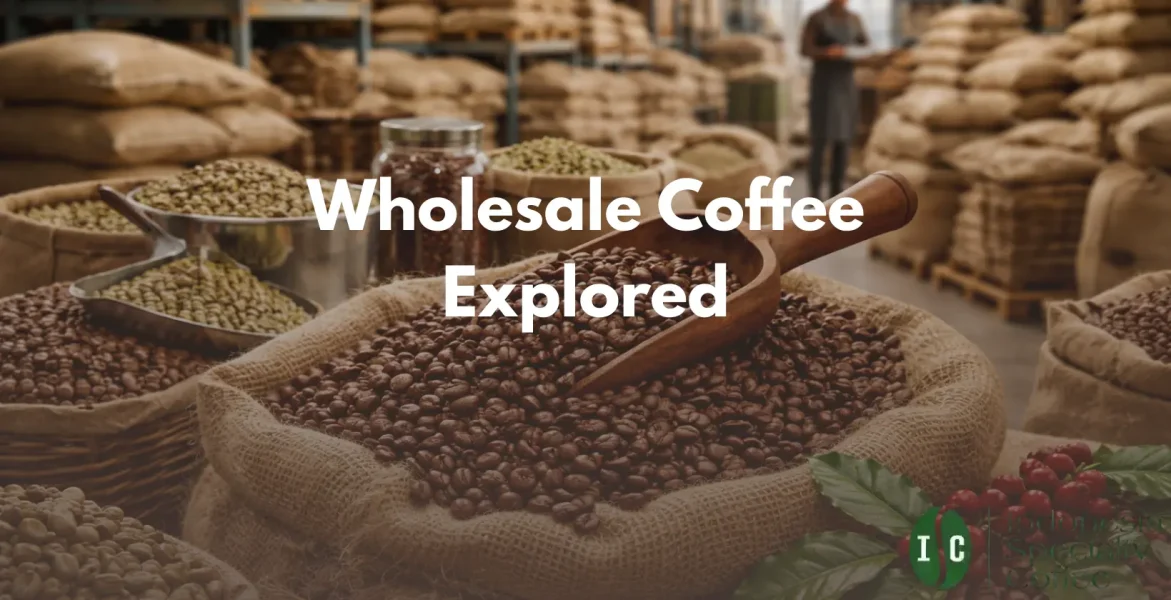
Wholesale coffee plays a central role in how cafés, offices, and retailers serve coffee consistently every day. By purchasing coffee in bulk, businesses gain control over supply continuity, cost stability, and quality standards. In this context, wholesale coffee refers to structured sourcing programs designed to support consistent menus, predictable pricing, and reliable delivery schedules.
At Specialtycoffee.id, wholesale coffee is treated as a strategic input, not just a commodity. Clear specifications, origin transparency, and quality alignment help buyers manage freshness, inventory planning, and customer experience during peak service hours. This guide explains how wholesale coffee works, why origin matters, how blends are built, and how aroma and flavour guide smarter purchasing decisions.
How Wholesale Coffee Developed
Coffee trading began with green beans moving from producing regions to port cities and urban merchants. As coffeehouses expanded, operators required steady supplies, consistent quality, and fair trading terms. Early wholesalers introduced repeat ordering systems, basic grading methods, and improved storage to meet growing demand. Over time, wholesale coffee evolved from simple trading into organised supply relationships.
With the rise of industrial roasting, demand increased for uniform flavour profiles and dependable distribution. Roasters built sourcing networks across multiple origins, managed harvest cycles, and introduced cupping protocols to maintain flavour consistency. Wholesale coffee gradually shifted toward long-term partnerships, quality control systems, and structured pricing models that support daily service businesses.
The Role of Origin in Wholesale Coffee Quality
Coffee origin directly influences flavour, aroma, and mouthfeel through climate, soil, altitude, and harvest timing. In wholesale programs, origin information helps buyers match coffees to menu styles, customer preferences, and price tiers with confidence. Clear origin descriptions also help staff communicate value without relying on complex terminology.
Reliable suppliers provide transparent details on farm regions, post-harvest handling, and lot separation. Proper documentation, storage discipline, and traceability reduce risk and improve consistency across deliveries. At ISC, origin clarity supports repeat ordering, faster problem resolution, and long-term quality planning.
Altitude and Climate Indicators
Higher-altitude farms typically produce coffees with brighter acidity and cleaner structure, while lower elevations often deliver deeper sweetness and fuller body. Understanding altitude ranges and seasonal patterns helps buyers plan blends and forecast volumes more accurately.
Harvest Timing and Cherry Quality
Selective harvesting of ripe cherries builds sweetness and avoids harsh, vegetal flavours. Mixed ripeness can flatten aroma and reduce cup clarity. Wholesale buyers benefit from knowing harvest months to align purchasing schedules and prevent supply gaps during demand peaks.
Processing Methods and Flavour Impact
Washed coffees often present clean, crisp profiles with clear aromatics. Natural coffees tend to offer fruit-forward notes and heavier body, while honey processes balance sweetness and clarity. Sampling before scaling orders ensures processing styles match menu goals.
Farm Practices and Consistency
Well-managed farms focus on pruning, shade control, hygiene, and careful drying. These practices reduce defects and support flavour consistency across harvests. Buyers can ask about training programs and quality protocols to assess long-term reliability.
Transport and Storage Standards
Proper transport protects beans from moisture, heat, and contamination. Warehouses should manage humidity, label lots clearly, and rotate stock regularly. Buyers can request storage timelines and transport routes to maintain aroma and freshness across repeat orders.
Aligning Origin with Menu Needs
Cafés often need bright coffees for filter brewing and heavier profiles for milk-based drinks. Retail programs may prioritise familiar, stable flavour profiles across seasons. A focused origin portfolio simplifies ordering and staff training.
Wholesale Coffee Blends and Program Variants
Blends allow roasters to deliver stable flavour even when harvest conditions change. By combining coffees from different origins, roasters balance sweetness, body, and acidity for consistent daily service. In wholesale coffee programs, blends are commonly used for espresso, milk beverages, and high-volume applications.
Variants provide flexibility without overwhelming operations. Different roast levels, seasonal blends, and limited releases support promotions and menu rotation. Clear naming and documentation help teams order accurately and explain options confidently. At Specialtycoffee.id, wholesale programs are designed to fit cafés, offices, and retail partners with clarity and control.
Common wholesale options include:
- House espresso blends for milk-based drinks
- Filter blends for batch brewing
- Single-origin feature lots for limited offerings
- Decaffeinated options with maintained flavour quality
- Seasonal blends aligned with harvest cycles
- Organic-certified options for compliance needs
- Private-label programs for brand-focused partners
How Wholesale Coffee Supports Business Growth
Wholesale purchasing lowers unit costs and improves cash flow predictability. Businesses can forecast demand, schedule deliveries, and reduce last-minute purchases at higher prices. Stable wholesale agreements also help operators set menu pricing with confidence and avoid stock shortages during promotions or peak seasons.
Supplier support further strengthens operations. Brew guides, storage advice, and basic training help protect cup quality across teams. Standardised recipes reduce waste and build customer trust. As a result, wholesale coffee becomes a growth tool that supports consistency, brand reputation, and repeat sales.
Understanding Aroma in Wholesale Coffee
Aroma shapes customer expectations before tasting, making it a key selection factor. Clear, familiar aroma descriptions help staff communicate value simply and accurately. In wholesale programs, aroma notes also guide menu pairing and reduce product mismatch.
Consistent evaluation methods—smelling beans and brewed coffee under the same conditions—support fair comparison. Proper storage is essential, as poor handling quickly dulls aroma. Keeping short tasting records helps buyers track performance against supplier profiles.
Chocolate and Cocoa
Often found in medium roasts, cocoa notes pair well with milk drinks and baked goods. Consistency in these aromas usually reflects stable roasting and blend composition.
Caramel and Brown Sugar
Caramel tones signal developed sweetness without harshness. Buyers can confirm balance by tasting cooled cups and checking for clean finishes.
Citrus and Bright Fruit
Common in lighter roasts, citrus notes add freshness to filter menus. Balance is key to avoid sharp acidity overpowering sweetness.
Floral and Tea-Like
Some origins deliver delicate floral aromas, best used for premium or limited offerings. These notes become clearer as brewed coffee cools.
Nutty and Toasted
Nutty aromas support espresso programs and office consumption. Clean nut notes often indicate good storage and roasting discipline.
Spice and Earthy
Gentle spice can add warmth, while earthy notes require careful handling to avoid muddiness. Proper storage keeps these characteristics controlled.
Conclusion
Successful wholesale coffee sourcing is a structured process, not a price-driven decision. Smart buyers sample carefully, review terms, and confirm supplier support for training and storage. Clear goals, defined volumes, and transparent quality standards benefit both sides of the partnership.
Specialtycoffee.id supports wholesale partners with dependable supply, clear origin reporting, and responsive service. Our programs are built to help businesses maintain consistency, protect margins, and serve customers confidently. Choose Specialtycoffee.id as your wholesale coffee partner and turn reliability into long-term growth—cup after cup.