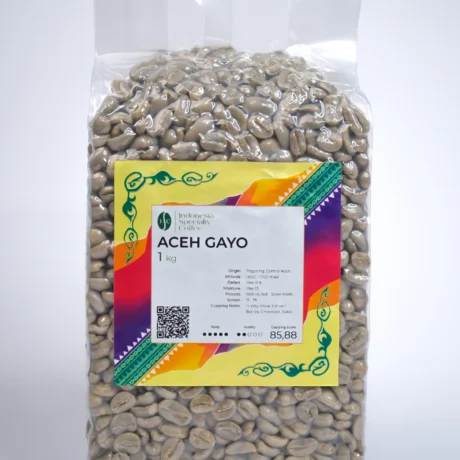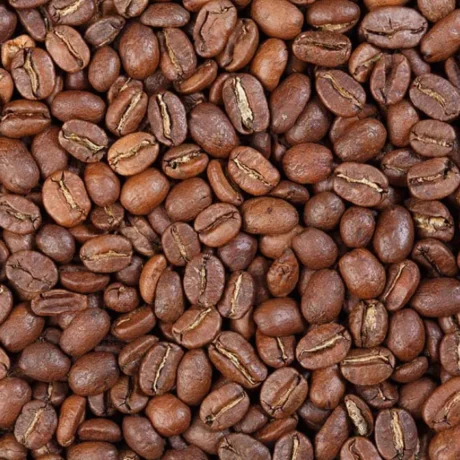
Coffee lovers often want more than caffeine; they want heritage, craft, and a cup that feels alive. Abyssinia coffee beans are celebrated for their deep Ethiopian roots and their vibrant aromatics, shaped by high elevations and careful hand-picking.
What Are These Beans?
Abyssinia coffee beans trace back to Ethiopia, widely regarded as coffee’s birthplace. Grown at altitude, the cherries mature slowly, which helps build sweetness, complexity, and a lingering fragrance in the cup.
Where Do They Grow in Ethiopia?
In many regions, coffee grows under shade trees in mineral-rich soil. With cool nights and bright days, the environment encourages dense cherries and layered flavor. This is why Abyssinia coffee beans can taste bright and delicate while still feeling rounded and satisfying.
Key Facts At a Glance
| Attribute | Typical Range | Why It Matters |
|---|---|---|
| Elevation | 1,500–2,200+ meters | Slower maturation = more sweetness and nuance |
| Harvest style | Mostly hand-picked | Riper cherries = cleaner flavor |
| Processing | Natural or washed | Strongly influences fruit vs. floral character |
| Best freshness window | 2–8 weeks after roast | Peak aroma and clarity |
Processing Methods That Shape the Cup
How producers dry or wash coffee fruit changes the final profile. When farmers handle lots carefully and dry cherries evenly, Abyssinia beans can show clearer florals, brighter acidity, or deeper fruit sweetness depending on the process.
| Process | What You’ll Notice | Best for Drinkers Who Like… |
|---|---|---|
| Washed | Crisp citrus, jasmine-like lift, clean finish | Bright, tea-like cups |
| Natural | Berry sweetness, richer body, winey aroma | Fruity, bold aromatics |
| Honey | Balanced fruit + caramel-like sweetness | Smooth, sweet complexity |
Aroma and Flavor Notes You Can Expect
In the cup, Abyssinia coffee beans often deliver an expressive nose first, then a layered palate. Many lots lean floral (jasmine), citrus (lemon/orange zest), or berry (blueberry-like), with herbal or honeyed undertones depending on the region and process.
Flavor Map
| Note Family | Common Descriptors | What It Feels Like |
|---|---|---|
| Floral | jasmine, wildflower | Light, perfumed, airy |
| Citrus | lemon, bergamot, orange | Crisp, sparkling, refreshing |
| Berry | blueberry, blackberry | Juicy, sweet, round |
| Herbal/earthy | fresh herbs, soft spice | Grounded, calming depth |
| Honey/sugar | honey, panela | Gentle sweetness, smooth finish |
How to Taste Like a Pro
To understand Abyssinia coffee beans, slow down and taste with intention. Smell first, sip while it’s warm, and notice how sweetness and acidity shift as the cup cools.
- Smell the aroma before every sip.
- Take small sips and let the coffee coat your tongue.
- Use a neutral cup (no detergent scent).
- Rinse your mouth with water between sips.
- Write down 2–3 descriptors you consistently notice.
How to Store Coffee for Maximum Freshness
Freshness is fragile: oxygen, light, heat, and moisture dull aromatics fast. Store Abyssinia coffee in an airtight, opaque container, kept in a cool cupboard away from the stove and direct sunlight.
| Storage choice | Recommended? | Why |
|---|---|---|
| Opaque airtight canister | Yes | Blocks light and slows oxidation |
| Original bag with one-way valve (sealed) | Yes | Designed to protect aroma |
| Clear jar on the counter | No | Light + heat accelerate staling |
| Refrigerator/freezer (opened often) | Usually no | Condensation risks flavor loss |
Roast Levels: What Works Best
Light roasts highlight florals and citrus; medium roasts add caramel sweetness and balance; darker roasts emphasize bitterness and roast notes. Many roasters prefer lighter profiles for Abyssinia coffee beans to preserve the origin character, especially in washed lots.
| Roast level | Best Highlights | Ideal Brew Styles |
|---|---|---|
| Light | florals, citrus, clarity | pour-over, AeroPress |
| Medium | sweetness, balance, round body | drip, espresso (modern) |
| Medium-dark | chocolatey depth, heavier body | milk drinks, moka pot |
Brewing Methods That Show the Most Clarity
For a clean cup, use fresh water and consistent ratios. If you want brightness and aroma, choose a pour-over; for a fuller texture, try a French press. With the right grind and temperature, Abyssinia coffee beans can feel both vibrant and smooth.
Quick starting point
- Ratio: 1:16 (e.g., 20 g coffee to 320 g water)
- Water temp: 92–96°C
- Grind: medium for pour-over, slightly finer for AeroPress
- Brew time: 2:30–3:30 minutes (pour-over)
Why Your Cup Might Taste Off
Even great coffee can brew poorly. If flavors feel flat or bitter, adjust one variable at a time:
- Sour/too sharp: grind finer or brew a bit longer.
- Bitter/astringent: grind coarser or lower water temperature slightly.
- Dull/flat: use fresher coffee or cleaner water.
Conclusion
The story of Ethiopian coffee continues to inspire people who appreciate tradition, history, and thoughtful farming. These values shape the identity of Abyssinia coffee beans, and each harvest reflects the deep pride of those who grow them. The beans carry bright aroma, layered flavor, and warm character. With steady care and simple routines, these beans continue to hold a strong and meaningful place in the world of coffee.
Go to SpecialtyCoffee.id right now to find out about high-quality Abyssinia coffee beans that comes straight from the best producers in Indonesia. Don’t settle with regular beans; only SpecialtyCoffee.id can provide you the real depth, aroma, and workmanship that you want. Order now and taste the amazing difference that true specialty coffee makes.