For many coffee drinkers, dark roast sumatra coffee sits at the intersection of comfort and adventure. It carries the familiar depth of a bold roast, yet it still hints at Indonesia’s wild, volcanic landscape. This guide looks closely at how origin, processing, and roasting shape that unmistakable cup, and why it keeps winning fans.
In specialty circles, a dark roast can mean smoky and blunt, or surprisingly sweet and structured. With Sumatra, the underlying body and herbal earthiness give roasters more room to push development without turning everything ashy. The result can be syrupy, chocolate-forward coffee that stays smooth in milk or black, even on busy weekday mornings.
The Core Flavor Promise
A well-made cup of dark roast sumatra coffee is defined by heavy body, low-to-moderate brightness, and a savory sweetness that reads like cocoa and toasted nuts. Many Sumatran lots naturally lean earthy and herbal, and that baseline helps a darker profile taste round rather than sharp. On roasters’ cupping tables, the best examples avoid “burnt” aromas and finish clean.
Where Sumatra’s Character Comes From
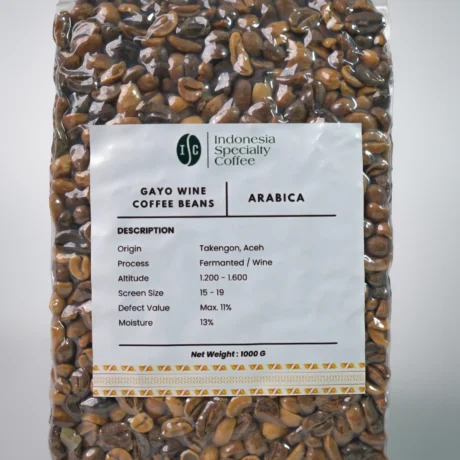
Sumatra’s most famous coffees often come from named regions such as Gayo, Mandheling, and Lintong, each shaped by highland farms and volcanic soils.
Processing That Builds Body
A signature factor is wet-hulling (locally known as giling basah), a method that commonly reduces perceived acidity and boosts weighty mouthfeel. In dark roast sumatra coffee, that extra body can translate into a syrupy cup that stays satisfying even when brewed stronger or mixed with milk.
Varieties and Altitude Cues
Labels that mention altitude, varietal, and the exact district signal more careful sourcing. Higher elevations generally support slower cherry maturation, which can translate to deeper sweetness and better structure.
Dark Roast, Explained Without Hype
Roasting darker pushes coffee further into caramelization and pyrolysis, trading some origin sparkle for deeper roast-driven aromatics. The goal is development, not carbon: a roast can be dark and still keep sweetness if heat and airflow are controlled. For dark roast sumatra coffee, that usually means emphasizing chocolate, spice, and a long, warming finish.
| Roast style | Typical aroma notes | Acidity feel | Body | Best use cases |
|---|---|---|---|---|
| Light | floral, citrus, tea-like | higher | lighter | pour-over, tasting flights |
| Medium | cocoa, caramel, gentle spice | medium | medium | drip, AeroPress |
| Dark | bittersweet chocolate, toasted nuts, cedar | lower | heavier | espresso, moka pot, milk drinks |
Also Read: Sumatra Mandheling Coffee: A Full Guide for Flavor Seekers
Buying Checklist for Better Cups
Choosing dark roast sumatra coffee becomes easier when the bag offers specifics instead of vague promises. These details tend to separate “bold” from “burnt”:
What to Look for on a Coffee Label
- Roast date (not just an expiration date), because aroma drops quickly after roasting.
- Region name (for example, Gayo or Mandheling) rather than only “Indonesia.”
- Process notes, especially wet-hulled versus natural, to predict body and sweetness.
- Whole bean options, since grinding early speeds staling.
A Quick Sensory Check
Fresh beans should smell sweet and roasty, not dusty. Dark-roasted beans may look slightly oily, but a slick, wet sheen often signals the roast was pushed too far or the coffee is aging. A clean dark roast should taste bittersweet, not ashy.
Trust Signals and Sourcing Ethics
The best dark roast sumatra coffee usually comes with a real origin story that can be checked. Single-origin labeling, cooperative names, and transparent post-harvest notes help buyers connect flavor to place, and they also help farmers earn recognition for quality.
Practical Questions That Reveal Quality
- Was the lot separated by village, cooperative, or farm?
- Is the processing method stated clearly (wet-hulled, natural, honey, washed)?
- Does the seller mention harvest season or the exporter’s quality controls?
- Are there social or environmental practices described beyond generic claims?
Even when certifications are not present, clear documentation is a strong signal. It suggests the roaster has tasted the coffee, knows its supply chain, and is investing in consistency from one shipment to the next.
Brewing Methods That Suit A Dark Sumatran Profile
Because darker roasts extract faster, many baristas lower brew temperature and shorten contact time to protect sweetness. That approach is especially useful for dark roast sumatra coffee, where over-extraction can turn earthy notes into dryness.
| Method | Dose | Water | Temperature | Time | Grind |
|---|---|---|---|---|---|
| French press | 30 g | 500 g | 88–92°C | 4:00 | coarse |
| Drip machine | 60 g | 1000 g | 88–92°C | 5–6 min | medium |
| Moka pot | 18 g | full boiler | off-boil fill | 2–3 min | fine-medium |
| Espresso | 18 g | 36 g out | 90–93°C | 25–30 s | fine |
| Cold brew | 80 g | 800 g | room temp | 12–16 h | coarse |
Small Adjustments That Matter
A slightly coarser grind, softer water, and a shorter ratio (for example, 1:15 instead of 1:17) can highlight cocoa and spice while reducing roast bite. Milk drinks often reward a darker Sumatran coffee because the body stays present under foam.
Pairings and Serving Ideas
The comfort-food reputation of dark roast sumatra coffee comes from how easily it pairs. The cup’s bass notes match foods with caramelized sugar, browned butter, and spice.
Pairing Ideas That Keep Balance
- Dark chocolate, dates, or banana bread.
- Cinnamon rolls, ginger cookies, or clove-forward cakes.
- Savory breakfasts like omelets, smoked tempeh, or toasted rye.
- Creamy formats: café latte, Vietnamese-style iced coffee, or affogato.
Also Read: Sumatra Coffee: All You Need to Know About
Storage and Freshness
Heat, oxygen, light, and moisture are the enemies of aroma. For dark roast sumatra coffee, airtight storage at room temperature, away from sunlight, helps preserve the chocolate-and-spice character. Freezing can work for long-term storage if beans are portioned into single-use bags to avoid repeated thaw cycles.
Conclusion
When the label is clear, the roast is fresh, and the brew is tuned for lower temperatures, Sumatra’s depth becomes more than simple intensity. The cup shows cocoa, cedar, and sweet spice instead of harsh smoke. Done with care, dark roast Sumatra coffee can feel both grounding and surprisingly nuanced for everyday drinkers too.
Coffee culture keeps changing, but Sumatra remains a dependable origin for those who prefer weight, warmth, and low-acid comfort. Exploring different regions; Gayo, Mandheling, or Lintong, adds variety without losing the signature body. A thoughtful purchase supports farmers and roasters who protect quality from harvest to bag. That commitment tastes clear in every sip. If you’re ready to explore authentic Sumatra coffee curated with care, discover trusted selections and origin stories at SpecialtyCoffee.id!
Quick FAQs
Does darker roast mean more caffeine?
Not necessarily. Caffeine changes only slightly with roasting; perceived “strength” often comes from flavor intensity and how coffee is measured.
Why can Sumatra handle a darker roast?
Many Sumatran coffees already show low acidity and heavier body, and wet-hulled processing often amplifies that structure. That foundation can keep dark roast sumatra coffee smooth when development is carefully managed.
What flavor notes should appear?
Common descriptors include earthy spice, cocoa, toasted nuts, and a warm, woody finish; specific regions such as Mandheling are often described as full-bodied with low acidity.