Ethical coffee sourcing is no longer a marketing trend — it is a core standard for responsible coffee businesses. Cafés, roasters, retailers, and distributors increasingly require traceable supply chains, fair partnerships, and sustainable production methods. In today’s specialty market, ethical sourcing protects not only farming communities but also long-term quality and business stability.
At Specialtycoffee.id, ethical sourcing is treated as a structured system built on transparency, documentation, and consistent evaluation. The goal is to align responsible farming practices with dependable wholesale supply and specialty-grade quality.
What Is Ethical Coffee Sourcing?
Ethical coffee sourcing refers to purchasing coffee through transparent supply chains that respect farmers, protect the environment, and maintain product integrity. It involves clear origin documentation, fair payment structures, safe labor conditions, and responsible post-harvest handling.
Rather than focusing only on certifications, ethical sourcing emphasizes measurable actions — traceability, stable partnerships, and quality control systems. Buyers who prioritize ethical sourcing reduce risk, strengthen brand trust, and build sustainable long-term supply.
Why Ethical Coffee Sourcing Matters in Specialty Coffee
Specialty coffee depends on quality consistency and origin transparency. Without ethical sourcing practices, traceability weakens and cup standards decline over time. Responsible sourcing ensures that farmers receive fair returns, enabling reinvestment in farm management, harvesting precision, and processing improvements.
For wholesale buyers, ethical coffee sourcing provides operational stability. Clear documentation, lot separation, and harvest transparency reduce supply surprises. As a result, businesses can plan menus, pricing, and promotions with greater confidence.
At Specialtycoffee.id, sourcing relationships are structured to support both producer welfare and buyer consistency.
Core Elements of Ethical Coffee Sourcing
Transparent Origin Documentation
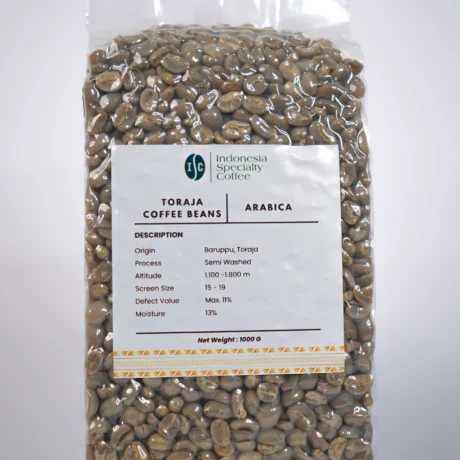
Ethical programs provide detailed farm, region, and harvest information. Lot separation and coding allow buyers to trace coffee back to its source. This transparency strengthens accountability and builds long-term trust between supplier and buyer.
Fair and Stable Payment Structures
Responsible sourcing ensures farmers receive sustainable compensation aligned with quality output. Fair pricing supports reinvestment in farm maintenance, improved drying systems, and quality control training.
Responsible Farm Management
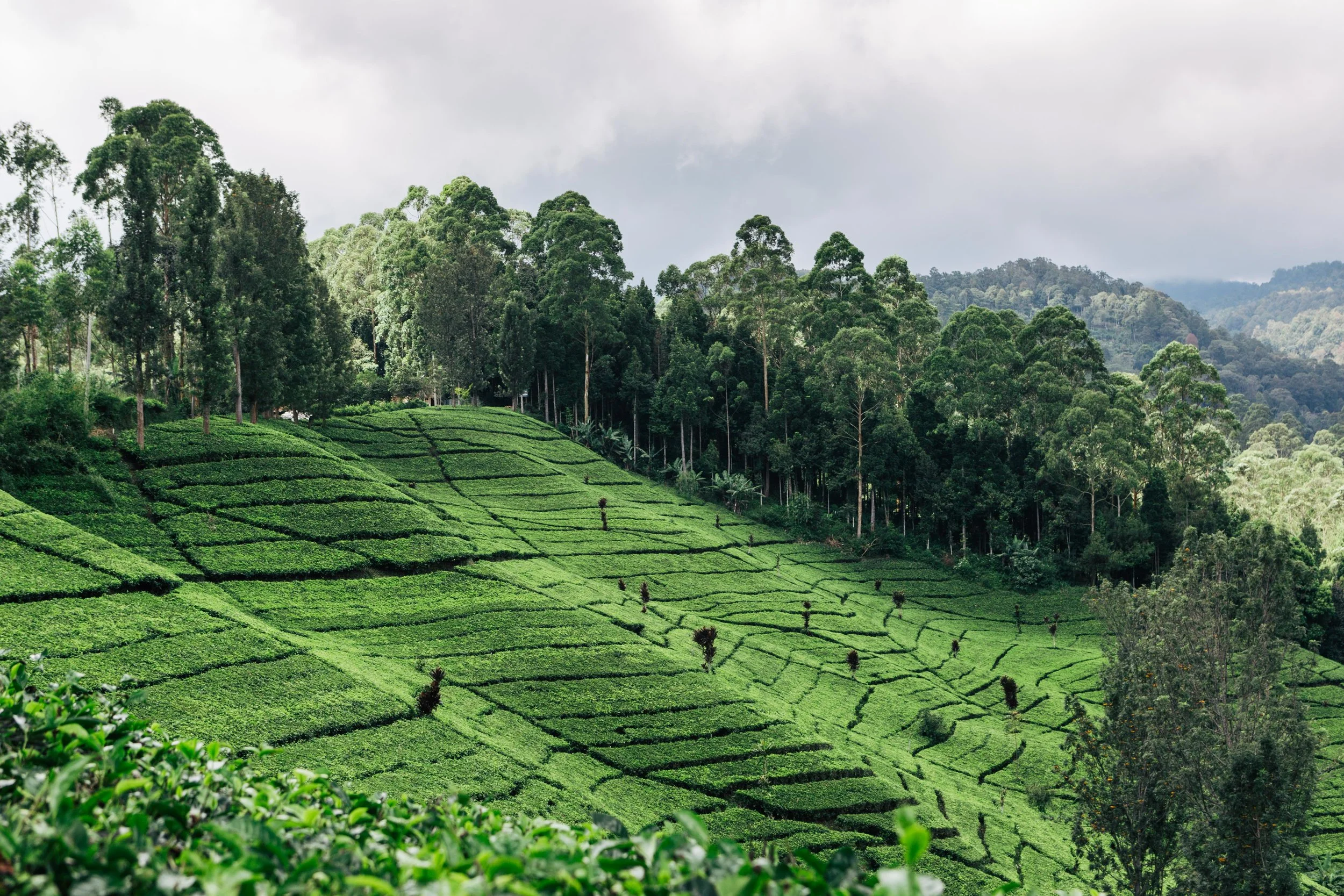
Good agricultural practices — including shade management, pruning, and soil protection — support both sustainability and cup quality. Ethical sourcing encourages environmentally balanced cultivation methods that protect long-term yield.
Careful Post-Harvest Handling
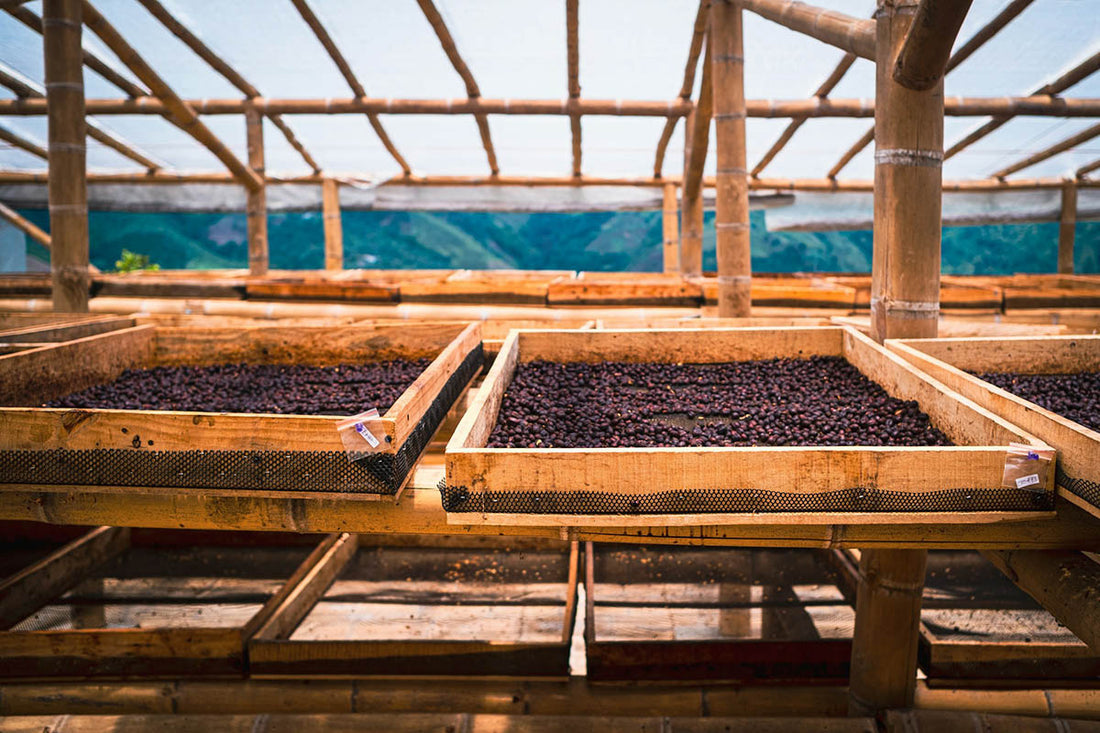
Proper washing, drying, sorting, and storage reduce defects and preserve aroma integrity. Clear processing documentation ensures that coffee quality aligns with specialty standards.
Long-Term Partnerships
Ethical sourcing prioritizes ongoing collaboration rather than one-time transactions. Stable relationships support harvest planning, volume forecasting, and consistent quality alignment.
How Ethical Coffee Sourcing Supports Business Growth
Ethical coffee sourcing strengthens brand positioning and customer trust. Modern consumers increasingly value transparency and sustainability. Clear sourcing narratives support marketing communication without exaggeration.
Operationally, structured sourcing reduces volatility. Buyers can forecast supply, stabilize pricing, and minimize emergency purchases. Ethical partnerships also improve product consistency, lowering training time and reducing quality complaints.
At Specialtycoffee.id, sourcing systems are designed to balance farmer welfare, specialty-grade standards, and wholesale reliability — turning responsibility into measurable business advantage.
Ethical Coffee Sourcing and Flavor Quality
Responsible practices directly influence cup characteristics. When farmers harvest selectively, dry beans properly, and store them carefully, the result is improved clarity, sweetness, and aroma stability.
Ethical sourcing often leads to:
- Cleaner flavour profiles
- Reduced defect rates
- Stable aroma retention
- Balanced acidity and sweetness
- Improved consistency across harvests
Quality and ethics are not separate goals. In specialty coffee, they function together.
Common Certifications and Verification Methods
While ethical sourcing extends beyond certifications, some common verification tools include:
- Organic certification
- Fair trade standards
- Rainforest conservation programs
- Direct trade documentation
- Internal supplier audits
Buyers should evaluate both formal certification and practical implementation. Documentation, lot tracking, and supplier transparency remain essential indicators.
Implementing Ethical Coffee Sourcing in Wholesale Programs
Businesses adopting ethical coffee sourcing should begin with clear criteria:
- Defined origin transparency requirements
- Documented pricing structures
- Harvest timing communication
- Quality grading standards
- Storage and transport protocols
Sampling before scaling volume ensures alignment between ethical standards and flavor expectations. Regular communication with suppliers strengthens accountability and performance tracking.
At Specialtycoffee.id, wholesale programs integrate ethical sourcing into procurement, evaluation, and delivery systems to ensure both responsibility and reliability.
Conclusion
Ethical coffee sourcing protects the foundation of specialty coffee — farmers, land, and long-term quality. It transforms procurement from simple purchasing into structured partnership management. Transparent documentation, fair compensation, and disciplined quality control create stability across the supply chain.
Specialtycoffee.id is committed to ethical coffee sourcing through verified origin reporting, responsible supplier relationships, and specialty-grade quality standards. By choosing structured, transparent sourcing systems, businesses secure both sustainability and consistent performance — cup after cup, season after season.