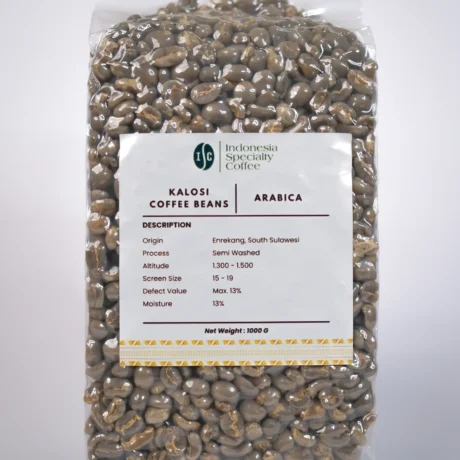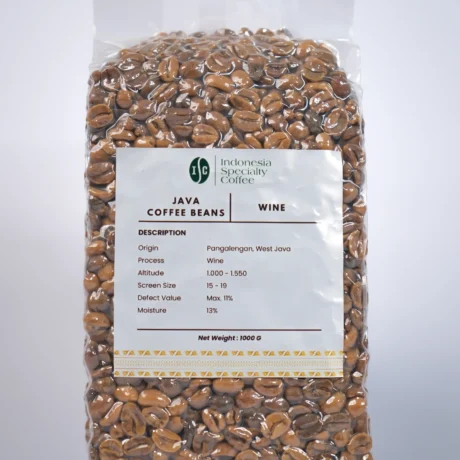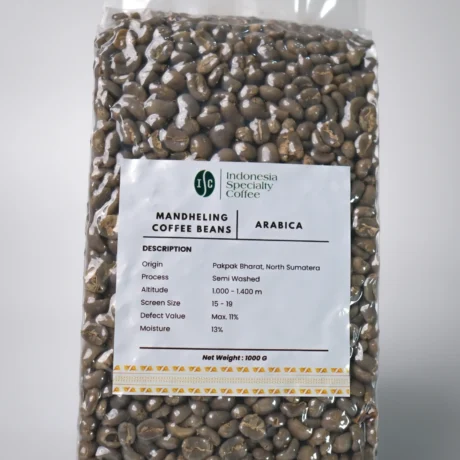
Coffee grown in the central Aceh highlands of northern Sumatra, Indonesia, is known as Gayo coffee variants. Due to its unique characteristic, combination of altitude, climate, and soil, this area is known worldwide for its coffee. Planting coffee beans at a high height in a forest canopy reduces cherry ripening and increases bean density. The sweetness, body, and balance are affected by these external circumstances.
Production in the Gayo Highlands relies on smallholder farming supported by cooperatives and centralized processing stations. Farmers apply selective harvesting and controlled wet hulling methods. These practices reduce defects and improve uniformity. Therefore, Gayo coffee variants maintain a cleaner cup profile than other Sumatran coffees. This foundation explains why Gayo receives strong demand from specialty and commercial buyers worldwide.
What Makes Gayo Coffee Variants Unique Among Indonesian Coffees?
Gayo coffee variants differ from other Indonesian coffees in terms of altitude, climate, and post-harvest processing. The Gayo Highlands sit between 1,200 and 1,700 meters above sea level, which slows cherry maturation. Slower growth increases bean density and preserves organic acids. Therefore, the resulting coffee shows balanced bitterness, moderate acidity, and a structured mouthfeel. These traits set Gayo apart from lower-altitude Indonesian regions, where body dominance is heavier.
Centralized washing stations and cooperative processing norms are also beneficial for Gayo coffee variants. To minimize flaws and variable ripeness, farmers use consistent harvesting techniques. Methods for wet hulling are still carefully managed to prevent overly earthy notes. Because of its unique geographical and methodological characteristics, Gayo is regarded by consumers as a distinct category rather than just Indonesian coffee.
Aceh Gayo Coffee Variants and Their Unique Flavor Profiles
Aceh Gayo coffee variants display flavor clarity shaped by volcanic soil and forest shade. The soil provides mineral content that supports sweetness and structure. Shade trees regulate sunlight and protect cherries from temperature stress. Therefore, the beans develop consistent sugars and reduced bitterness. Typical flavor descriptions include cocoa, herbal notes, mild spice, and subtle fruit tones without sharp acidity.
In addition, Aceh GGayo coffee variants consistently deliver results from medium roast to dark roast. Medium roasts bring out the mild acidity and sweetness. The balance is maintained by darker roasts, which highlight the chocolate and smokiness. Roasters who want consistent results will appreciate its consistency. Therefore, you can find Aceh Gayo in specialty programs and export-grade selections where the flavor demands are clearly stated.
Single Origin Gayo Coffee vs Blended Coffee
The Gayo coffee variants known as “single origin” originate from a specific geographical area with well-documented growing conditions. Because of this tracing, processing, altitude, and seasonal change may be clearly assessed. Consequently, the consistency and transparency of flavor are best provided by single-origin offerings. The consistent bean density and moisture content allows roasters to fine-tune the roast level with pinpoint accuracy.
To get a more consistent flavor profile, blended coffee uses beans from diverse farms. Blends dampen cyclical changes but stifle localized sentiment. Roasters typically add body and balance when they use Gayo coffee variants in blends. But the flavor characteristics that are specific to an origin become less apparent when blended. Based on their intended usage, customers can use this comparison to pick between flavor expressiveness and consistency.
Specialty Grade Gayo Coffee Variants for Coffee Lovers
Specialty grade evaluation depends heavily on brewing method because extraction highlights different bean attributes. Gayo coffee responds distinctly to grind size, water temperature, and contact time. Therefore, method selection determines whether sweetness, body, or acidity becomes dominant. Understanding this relationship supports consistent preparation and accurate flavor assessment across different equipment types.
Additionally, varieties of specialty grade Gayo coffee variants are characterized by uniform bean size and a low defect rate. These characteristics lessen bitterness and provide control over extraction. All of these benefits will be apparent in the final product thanks to technique alignment in brewing. The following methods of brewing provide light on the interplay between preparation approach, bean structure, and roast development, and how to achieve the best possible outcomes.
Pour Over Brewing for Clarity
A regulated water flow is employed in pour over brewing to gradually extract soluble chemicals. This approach brings out the sweetness and balanced acidity of specialty grade Gayo beans, making them perfect for this process. A slight bitterness emerges from the cocoa and herbal undertones brought forth by the gradual extraction.
French Press Brewing for Gayo Coffee Variants
Use of metal filtration and complete immersion characterize French press brewing. The Gayo beans’ oils and heavy chemicals are preserved using this procedure. Consequently, there is more body and mouthfeel in the cup. Even when exposed to oil, beans of a specialty grade keep their tone.
AeroPress Brewing for Controlled Strength
When you use an AeroPress to brew your Gayo coffee variants, you may control the pressure used for extraction. Specialty beans benefit from this adaptability since they are strong without being overly sugary. Minimal contact durations avoid excessive extraction. When comparing roasts from different specialized selections, this method performs admirably.
Drip Coffee Brewing for Consistency
The temperature and flow are automatically controlled in drip brewing. For situations that call for consistency, this technique works well with specialty Gayo beans. Consistent extraction brings up the chocolate undertones and velvety texture. Thus, drip brewing allows for quality control without the need for intricate manual modifications.
Siphon Brewing for Aromatic Precision
Brewing Gayo coffee variants via siphoning makes use of controlled heat and vacuum pressure. The process brings out the aromatic chemicals and makes them more visible. The consistent size and moisture content of Specialty Gayo beans make them effective. Hence, herbaceous and delicate spice notes come through in siphon brewed beer.
Sustainable and Roast Impact for Gayo Coffee Variants
Sustainability affects long-term quality through soil health, farmer stability, and processing consistency. Gayo cooperatives often implement fair trade standards and environmental controls. These practices stabilize production and protect flavor potential. Therefore, sustainability directly supports quality outcomes across harvest cycles.
Also, sustainable methods affect how beans roast since they keep their density the same. Fair trade bonuses help pay for better places to dry and store goods. These changes cut down on flaws and changes in moisture. Thus, roasters get the same results every time. The following points show how the level of roast affects Gayo coffee variants that is grown in a way that is good for the environment.
- Light roast impact: Light roasting keeps the acidity and character of the origin. Sustainable Gayo beans can handle light roasting because their tight structure keeps them from growing too fast. This roast has strong herbal and moderate fruit aromas. Fair trade processing makes ensuring that the beans are evenly wet, which helps with uniform light roast extraction.
- Medium light roast impact: Medium-light roasting brings out the right amount of sweetness and acidity through Gayo coffee variants. Sustainable Gayo beans respond well because controlled fermentation helps sugar grow. This roast has cocoa characteristics that are soft and vibrant. Stable agricultural methods keep the density of the beans the same, which lets roasters caramelize them evenly without burning or roasting them.
- Espresso roast impact: Espresso roasting requires balance between solubility and strength. Sustainable Gayo beans perform reliably due to uniform size. This roast supports crema formation and smooth extraction. Fair trade systems ensure defect reduction, which improves espresso consistency under pressure brewing conditions.
Best Gayo Coffee Variants for Espresso Brewing
Because pressure extraction brings out both the virtues and weaknesses of an espresso, its origin is essential. The circumstances in the Gayo highlands result in beans that are dense and easy to extract. For this reason, a steady flow and less channeling are ideal for making espresso. Solubility and crema formation during extraction are directly affected by temperature and altitude.
In addition, with regular rainfall, Gayo coffee variants produce sugars that are well-balanced. When subjected to extreme heat, these sugars preserve their sweetness. Thus, espresso shots don’t have any harsh bitterness. Why does Gayo beans work so well in espresso? Because of the following origin-related features.
High Altitude Influence on Extraction
High altitude slows bean development and increases density. Dense beans resist rapid water penetration. Therefore, espresso extraction remains controlled. Gayo altitude supports even solubility. This condition reduces over extraction risk and supports balanced shot timing.
Climate Stability and Bean Maturity
Sunlight and temperature are controlled by shade trees. Accumulation of sugar is facilitated by this regulation. Thus, espresso shots for Gayo coffee variants have a naturally sweet flavor. During pressure extraction, Gayo shade systems mitigate the severe acidity.
Shade Growing and Sugar Development
In terms of warmth and sunshine, shade trees are masters. This control facilitates the buildup of sugar. Hence, espresso shots exhibit an inherent sugariness. Pressure extraction is made less acidic with Gayo shade systems.
Harvest Timing and Consistency
Cherry batches are dominated by ripe cherries because of the selective harvesting. Extraction from ripe beans is predictable. Thus, espresso characteristics do not change. Consistent shot results are supported by the harvest standards enforced by Gayo coffee variants.
Conclusion
Gayo bean has a unique Indonesian origin that is characterized by its high altitude, consistent climate, and controlled processing methods. Everything from bean density to extraction behavior and flavor balance is influenced by these parameters. Consistency and traceability across harvests are supported by the cooperative organization of the region. This means that Gayo coffee variants can be roasting and brewed with confidence and ease, without the need for excessive handling.
Instead than assuming anything about roast or preparation, it’s essential to focus on the conditions of origin when trying to understand Gayo coffee variants. Final cup performance is directly affected by soil composition, shadow control, and harvest discipline. Better sourcing, roasting, and brewing results are possible with a firm grasp of these basics. Discover authentic Gayo coffee flavors; explore origins, farmers, and brewing guides at SpecialtyCoffee.id today now online