Coffee is part ritual, part comfort, and part daily fuel for millions of people. At the same time, many coffee drinkers pause to ask how much caffeine in a day makes sense when energy, sleep, health, and enjoyment all matter.
That question is practical for a simple reason: caffeine shows up in more than one cup. A morning brew, an afternoon latte, a cold brew on a busy day, and even an energy drink can add up faster than expected. For coffee lovers, understanding the daily total helps turn a habit into a smarter, more satisfying routine.
What Is Caffeine and Why Coffee Drinkers Care
Caffeine is a natural stimulant found in coffee, tea, cocoa, and some added-food products. It affects the central nervous system, which is why many people associate coffee with sharper alertness, better focus, and a welcome mental lift.
For coffee drinkers, the appeal is not only energy. Flavor, aroma, ritual, and café culture also matter. Still, when someone starts tracking how much caffeine in a day, coffee becomes more than a beverage choice; it becomes part of an overall wellness decision shaped by timing, portion size, and tolerance.
How Much Caffeine in a Day Is Considered Safe
For most healthy adults, major health authorities and medical experts commonly point to about 400 milligrams of caffeine per day as a level that is generally considered safe. Pregnancy is a different category, with obstetric guidance commonly recommending less than 200 milligrams daily.
When coffee lovers ask how much caffeine in a day is reasonable, the best answer is “enough to enjoy the benefits without pushing into unwanted side effects.” Body size, medications, health conditions, and personal sensitivity can all change the right number for an individual, so a practical ceiling matters more than chasing the maximum.
Recommended Daily Limits for Different People and how much caffeine in a day
| Group | Suggested Limit | Notes |
|---|---|---|
| Healthy adults | Up to 400 mg/day | Common general guidance for most adults |
| Pregnant women | Less than 200 mg/day | Often advised during pregnancy |
| Teenagers | About 2.5 mg/kg/day | Precautionary guidance; tolerance varies |
| Caffeine-sensitive individuals | Often below standard adult guidance | Some may need far less or prefer minimal intake |
These limits are practical starting points, not a challenge. In real life, how much caffeine in a day feels comfortable can vary well before a person reaches the upper end of a guideline, especially when sleep quality, anxiety, or medication interactions are already part of the picture.
How Much Caffeine in a Day Depends on the Type of Coffee
Not all coffee drinks deliver caffeine in the same way. Brew method, serving size, extraction, bean dose, and even roast-related density can shift the final amount in the cup, which is why how much caffeine in a day is never just about “cups of coffee.”
A small espresso may taste intense but often contains less total caffeine than a standard mug of brewed coffee. Meanwhile, cold brew can look smooth and easy to drink while delivering a much larger dose, especially in larger café servings. That difference matters for anyone trying to stay energized without accidentally overshooting the day’s comfort zone.
Caffeine Levels in Popular Drinks
| Beverage | Serving Size | Approximate Caffeine | Notes |
|---|---|---|---|
| Espresso | 1 oz | 63 mg | Concentrated, but small serving |
| Brewed coffee | 8 oz | 96 mg | Often higher total caffeine than espresso |
| Instant coffee | 8 oz | 62 mg | Usually lower than brewed coffee |
| Latte | 8 oz | 63–126 mg | Often made with 1–2 espresso shots |
| Cappuccino | 8 oz | 63–126 mg | Similar caffeine range to latte |
| Cold brew | 16 oz | 205 mg | Can be smooth tasting but high in caffeine |
| Decaf coffee | 8 oz | 1–3 mg | Not completely caffeine-free |
| Energy drinks | 8 oz | 79 mg | May also include other stimulants |
Approximate values above are drawn from FDA, Mayo Clinic, USDA, Health Canada, and standard brand nutrition data. Milk-based espresso drinks often vary most because the caffeine usually follows the number of shots, not the amount of milk.
Signs of Too Much Caffeine from Coffee and Other Drinks
When people ignore how much caffeine in a day adds up across drinks, the body often gives early warnings. Possible signs include:
- Jitters or shakiness
- Poor sleep or trouble falling asleep
- Rapid heartbeat or feeling overstimulated
- Anxiety, restlessness, or irritability
- Digestive discomfort, nausea, or an upset stomach
- Dependence, including headaches or low mood when caffeine is skipped
5 Practical Tips to Manage Caffeine Intake Without Giving Up Coffee
A smarter coffee habit does not require quitting. For many people, managing how much caffeine in a day is really about better structure, better beans, and better timing.
- Track the full daily total.
Coffee is only one source. Tea, energy drinks, soda, chocolate, and some medications can all contribute to the number. - Choose smaller servings first.
An 8-ounce brewed coffee is very different from a large cafe cup or oversized cold brew. Portion control often solves the problem without removing the ritual. - Set a caffeine cutoff earlier in the day.
Many people sleep better when caffeine is kept to the morning or early afternoon, especially during stressful periods or pregnancy. - Mix regular and decaf strategically.
A half-caf approach, or a switch to decaf later in the day, can preserve flavor while lowering the total intake. - Upgrade quality instead of quantity.
Better beans often make each cup feel more rewarding, which can help reduce the urge to keep drinking coffee just for stimulation.
Why Coffee Quality Matters When Thinking About How Much Caffeine in a Day
Coffee quality changes the experience in ways that numbers alone cannot capture. Specialty coffee often offers clearer origin character, cleaner processing, and more intentional roasting, which can make one cup feel more complete and enjoyable than several forgettable cups.
That matters because how much caffeine in a day is not only a health question; it is also a satisfaction question. When the cup tastes balanced, sweet, and aromatic, many coffee drinkers naturally slow down, pay attention, and choose coffee with more intention rather than chasing another rushed dose.
Lower-quality coffee can push people toward extra sugar, heavy flavor masking, or repeated refills to find the experience they wanted in the first place. By contrast, better coffee can support moderation because enjoyment comes from flavor as much as function.
Smart Coffee Choices for Better Daily Enjoyment
A smart routine starts with awareness, but it gets better with quality. Once coffee drinkers understand how much caffeine in a day fits their body and schedule, they can choose drinks that match the moment: espresso for a quick lift, brewed coffee for a steady morning, or decaf later when flavor still matters.
Helpful habits often look simple:
- Choosing quality beans with clear roast profiles
- Brewing smaller but better cups
- Saving high-caffeine drinks for busy mornings
- Pairing coffee with food instead of drinking it on an empty stomach
- Rotating regular and decaf through the week
These choices quietly move a buyer toward a better coffee standard. Instead of shopping only for intensity, many coffee lovers start looking for freshness, traceability, roast quality, and a more enjoyable daily ritual signals that often lead them toward premium beans.
Final Takeaway
Knowing how much caffeine in a day helps coffee lovers enjoy alertness without losing sleep, comfort, or control. The smartest approach is not fear of caffeine, but balance: understanding intake, respecting personal tolerance, and choosing coffee drinks with intention so flavor, function, and routine work together with greater lasting confidence and consistency day after day.
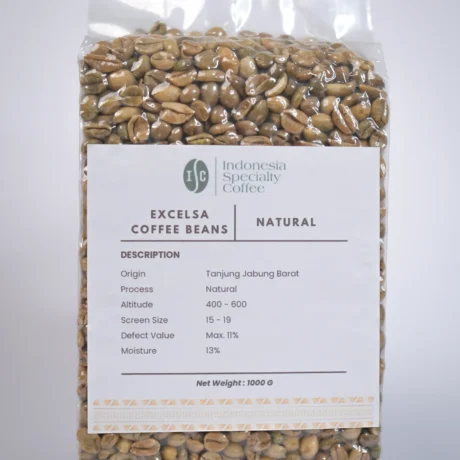
Coffee lovers ready for a better cup can explore SpecialtyCoffee.id and buy quality beans that make each serving more enjoyable and more deliberate. Great coffee supports thoughtful caffeine habits because satisfaction comes from flavor, aroma, and craft, not just quantity. Better beans can turn daily coffee into a smarter, richer experience for every coffee routine.