Indonesian Sumatra coffee defines a distinct niche within origin-focused specialty offerings. Buyers use it to compare body, clarity, and earthy spice traits. Roasters market it by region names like Gayo, Lintong, and Mandheling. Process labels like wet-hulled or washed signal major cup differences. Therefore, shoppers can shortlist coffee beans that match brew goals. This guide explains key terms that appear on Sumatra product pages.
Paper filters increase clarity, while immersion methods amplify oils and weight. Thus, Indonesian Sumatra coffee invites method-driven choices because extraction shapes perceived cleanliness. Roast level changes sweetness and bitterness, so labels matter. Buyers should check origin, altitude, varieties, and processing before purchase. Those steps support consistent freshness and storage decisions at home. The sections below compare options and highlight practical buying guide cues.
What Is Indonesian Sumatra Coffee?
Indonesian Sumatra coffee refers to Arabica coffee beans sourced from Sumatra. Producers cultivate it across several mountainous areas on the island. Exporters group lots by region, grade, and processing method. Therefore, the term signals both origin and common processing choices. Buyers should treat it as a family of profiles. Retail listings often include grade and screen size details.
Moreover, Indonesian Sumatra coffee usually highlights wet-hulled lots under giling basah. Farmers remove parchment early, then dry beans after hulling. That workflow increases body and reduces sharp acidity. That method can raise moisture variation inside green beans. Roasters manage that variation through sorting and steady heat application. However, roasters also offer washed, natural, and semi-washed lots. Those alternatives change clarity and sweetness.
Where Indonesian Sumatra Coffee Comes From
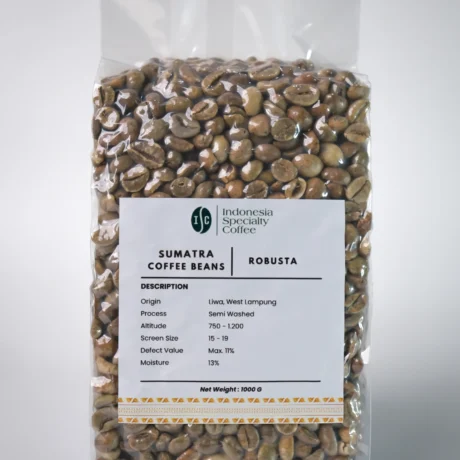
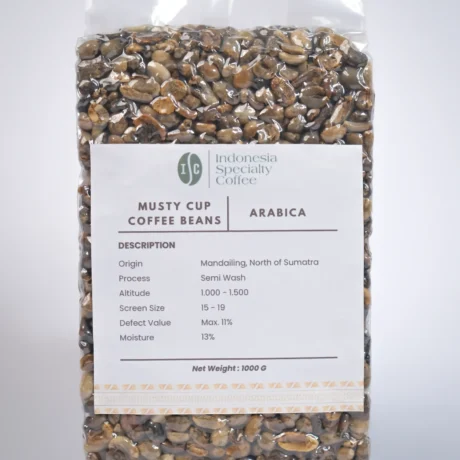
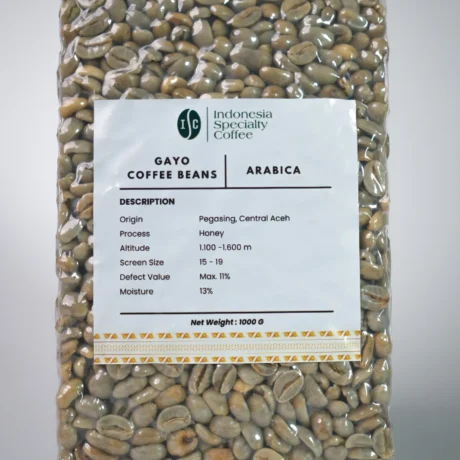
Indonesian Sumatra coffee comes from northern and western highlands on Sumatra. The main supply zones include Aceh and North Sumatra provinces. Common region names include Gayo, Lintong, and Mandheling. Farmers grow Arabica at elevations that often range from 1,000 to 1,600 meters. Altitude supports slower cherry development and dense seeds.
Cooperatives collect cherries or wet parchment from small farms. Moreover, Indonesian Sumatra coffee often travels through cooperatives and local mills. Mills handle sorting, drying, and export preparation for green coffee. Therefore, label details matter more than a single farm name. Buyers should look for region, altitude, and harvest timing. Some labels also show cooperative names that signal traceability.
Flavor Profile and Body of Indonesian Sumatra Coffee
Indonesian Sumatra coffee often delivers heavy body with moderate acidity. It often shows earthy, herbal, and cocoa notes in the cup. Wet-hulled processing and humid drying conditions shape those traits. Roast level also shifts the balance between spice and sweetness. Hence, buyers should match flavor goals to label cues. Brewers often notice a muted finish when beans lose freshness. Below are the flavor profiles you should pay attention to:
- A syrupy mouthfeel often appears because wet-hulled drying leaves higher micro-porosity. That structure extracts soluble material quickly during brewing. Therefore, a brewer can lower agitation to avoid harshness. Medium grind size often supports balanced extraction in pour-over and drip.
- Earthy notes often show when wet parchment dries slowly in humid conditions. That environment can add woody or forest-floor tones. A medium roast often reduces raw earthiness of Indonesian Sumatra coffee without adding smoke.
- Herbal spice notes often reflect regional cultivars and medium-dark roast development. Roasters can push caramelization while keeping bitterness controlled. Therefore, a buyer can look for medium-dark or full city labels. French press can amplify spice through higher oils.
- Cocoa and dark chocolate notes often increase with medium roasting and longer development. Roasters build Maillard reactions that create those flavors. Thus, espresso and moka pot can emphasize cocoa quickly. A slightly finer grind increases extraction and chocolate depth. However, too fine a grind can raise bitterness and dryness.
- Smoky or ashy flavors often appear when roasters push too dark. High heat can create carbon notes that cover origin character of Indonesian Sumatra coffee. Cold brew can hide smoke through low temperature extraction.
- A lingering, drying finish often links to over-extraction or fine sediment. Wet-hulled lots can shed more fines during grinding. A lower water temperature can also soften tannic bite. Proper storage also preserves sweetness and reduces harsh finish.
Processing Methods That Shape Indonesian Sumatra Coffee
Indonesian Sumatra coffee changes character based on post-harvest processing choices. Processing controls how sugars, acids, and aromatics remain in beans. It also controls how clean or heavy the final cup feels. Therefore, buyers should treat process as a primary selection lever. Labels often state wet-hulled, washed, natural, or semi-washed. Process information often appears beside the origin field on product pages. Below is an overview of the specific processes you need to know:
| Process | Typical cup traits | Common risks | Best roast fit |
|---|---|---|---|
| Wet-hulled (giling basah) | Heavy body, earthy spice, lower acidity | Musty notes, uneven moisture, more fines | Medium to medium-dark |
| Washed | Cleaner flavor, brighter acidity, clearer aromatics | Thin body if under-roasted, sharper acidity | Light to medium |
| Natural | Higher sweetness, fruit notes, round body | Ferment defects, boozy notes, uneven drying | Medium |
| Semi-washed | Balanced clarity and body, mild fruit, cocoa | Inconsistent mucilage removal, mild astringency | Light to medium-dark |
Best Roast Level for Indonesian Sumatra Coffee
Indonesian Sumatra coffee often performs best at medium to medium-dark roast levels. That range preserves origin spice while building sweetness and structure. Roasters can develop soluble compounds without heavy smoke. Therefore, buyers can start with medium for balanced daily use. Medium-dark can suit milk drinks and immersion brews. Light roasts can taste sour with under-extraction in some devices.
This coffee also performs well at lighter roast levels, especially with washed lots. Lighter roasts can highlight citrus, floral, and tea-like notes. However, they demand careful extraction and fresh grinding. Buyers should always check the roast date for freshness before purchase and match the roast profile to their brewing equipment and water quality.
Best Brewing Methods for Indonesian Sumatra Coffee
Indonesian Sumatra coffee changes flavor clarity with brewing method choice. Paper filtration reduces oils and fines, so it raises clarity. Immersion brewing retains oils, so it increases body and texture. Therefore, a buyer can choose a method that matches desired mouthfeel. Extraction control also depends on grind size, ratio, and time.
Hotter water increases extraction speed and can raise bitterness. Cooler water slows extraction and can reduce harsh earthy notes. Thus, Indonesian Sumatra coffee responds strongly to water temperature and agitation. Brewers should control pour rate and stirring. Freshness matters because stale beans lose aromatics and produce flat cups. Filtered water with moderate minerals supports stable extraction and repeatable results.
Pour-over Method Guidance
Indonesian Sumatra coffee shows clearer aromatics with pour-over filtration. Pour-over brewing highlights clarity and isolates regional aromas during extraction. Use a medium grind that resembles coarse sand for consistency. Heat water to 92–96°C for balanced solubility. Use a 1:16 ratio, such as 20 grams to 320 grams. Bloom for 30–45 seconds, then pour steadily to 2:45–3:30. Keep gentle agitation to limit harsh fines extraction.
French Press
The Sumatra bean gains texture in French press through retained oils. French press brewing builds body because it retains oils and micro-fines. Use a coarse grind to reduce sediment and slow extraction. Heat water to 90–94°C to soften earthy and woody notes. Use a 1:15 ratio, such as 30 grams to 450 grams. Stir once, then steep for 4:00 minutes. Plunge slowly, then pour immediately to avoid over-extraction.
AeroPress Method
AeroPress brewing offers flexibility and can raise sweetness with controlled pressure. Use a medium-fine grind that feels between drip and espresso. Heat water to 88–94°C for smoother extraction. Use a 1:12 ratio, such as 18 grams to 216 grams. Stir for 10 seconds, then press for 30–45 seconds. Short contact time reduces bitterness while keeping cocoa depth.
Espresso
Espresso brewing concentrates body and emphasizes chocolate and spice through high extraction. Use a fine grind that supports even flow without channeling. Set water between 90–93°C for balanced solubles and less harshness. Dose 18 grams and target 36 grams out for a 1:2 ratio. Aim for 25–30 seconds total time. Adjust grind finer for sour shots, and coarser for bitter shots of your Indonesian Sumatra coffee.
Cold Brew
Cold brew brewing reduces acidity perception and smooths harsh notes through low extraction. Use a coarse grind to limit fines and muddy flavors. Use cold water at 4–20°C, depending on fridge or room steeping. Use a 1:8 ratio for concentrate, such as 100 grams to 800 grams. Steep 12–18 hours, then filter thoroughly. Dilute to taste and store chilled for two days.
Moka Pot Method Guidance
Moka pot brewing creates strong cups with high body and pronounced roast flavors of Indonesian Sumatra coffee. Use a medium-fine grind, finer than drip but coarser than espresso. Use water near 90–95°C in the base to reduce burn. Fill the basket level and avoid tamping to prevent choking. Aim for 2:30–4:00 minutes from heat to finish. Remove from heat when the stream turns pale to limit bitterness.
How to Buy, Store, and Use Indonesian Sumatra Coffee
Indonesian Sumatra coffee buying decisions improve when labels state key details. Buyers should look for region names like Gayo, Lintong, or Mandheling. They should also check processing terms like wet-hulled or washed. Altitude and variety details can signal density and flavor direction. A product page should include roast date, roast level, and recommended brewing methods.
Sumatra bean stays fresh when storage limits oxygen, heat, and light. Buyers should store coffee beans in an airtight, opaque container. They should keep it at stable room temperature and avoid frequent opening. They should grind just before brewing to protect aromatics. For use, they should match grind size and ratio to equipment. They should also use clean water near 90–96°C for hot brewing.
Conclusion
Indonesian Sumatra coffee supports informed comparison because it varies by region and process. Buyers can compare Aceh and North Sumatra lots using clear label cues. They can also compare wet-hulled body with washed clarity. Therefore, a selection process should start with origin, processing, and roast level. A buyer can then match brewing methods to desired extraction outcomes.
Freshness and proper storage protect aromatics and preserve its signature sweetness. Indonesian Sumatra coffee rewards careful buying and consistent brewing habits. Controlled grind size and water temperature help reduce harsh extraction. For reliable sourcing and traceable quality, explore premium Sumatra coffee selections at SpecialtyCoffee.id and refine your brewing results at home with confidence.