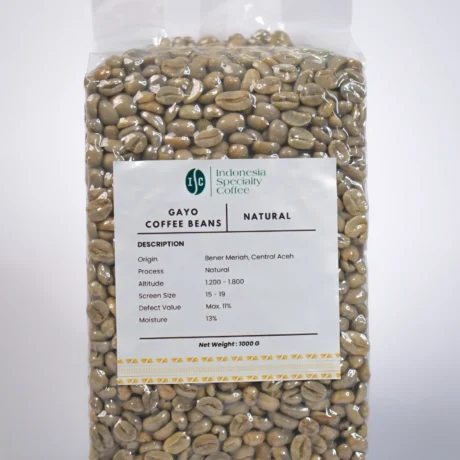
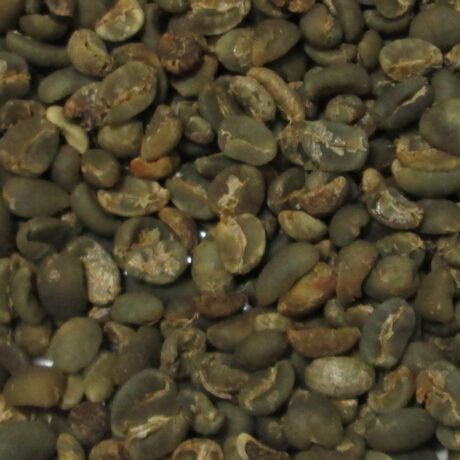
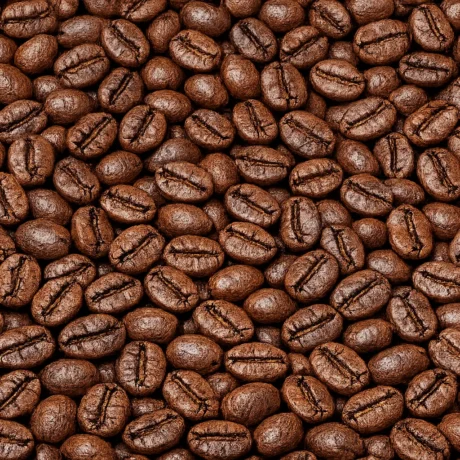
Java wine coffee refers to coffee from Indonesia’s Java origin with wine-like notes. Roasters and sellers use the term for coffees that develop fruity aromas through fermentation. The phrase also signals a flavor style, not a grape product. This article explains how this forms its character. It also explains brewing choices that keep flavors clear.
Buyers often see “wine coffee” on bags without clear context. Therefore, this guide uses simple definitions and clear process steps. It also links flavor cues to roast level, grind size, and brewing choices. In addition, it clarifies alcohol questions with direct, testable facts. These details help readers evaluate java wine coffee with confidence and consistency.
What Is Java Wine Coffee?
Java wine coffee means specialty coffee from Java that shows wine-like aroma and acidity. Producers create that character through controlled fermentation and careful drying. The term “wine” describes sensory similarity, not grape ingredients. When roasters label a lot as java wine, they usually highlight fruit-forward notes. Labels often mention fermentation style for clarity.
Java sits within Indonesia and produces several distinct coffee styles. Farmers grow Arabica in highland areas and Robusta in lower zones. However, sellers often reserve wine-style labels for Arabica lots with clean fruit tones. Roasters also use the label to signal a process choice. Examples include anaerobic fermentation and natural drying in Java.
Is Java Wine Coffee Alcoholic or Related to Wine?
Java wine coffee contains no added alcohol and no wine base. Producers handle coffee cherries, not grapes, throughout production. Fermentation can create ester aromas that resemble wine scents. However, the finished beverage stays a coffee drink with alcohol levels near zero. Roasters brew it like standard coffee. The cup follows normal coffee safety rules.
Some producers measure sugar breakdown during fermentation for quality control. That monitoring supports consistent acidity and limits harsh flavors. Nevertheless, the term java wine coffee can confuse buyers who expect alcohol. Clear labeling should mention processing method, not alcohol content. That practice reduces misunderstanding and improves trust. Sellers should explain fermentation terms in plain words.
How Is Java Wine Coffee Processed?
Java wine coffee develops wine-like notes through deliberate handling of coffee cherries. Producers control time, temperature, and oxygen exposure during fermentation. They also manage drying speed to protect fruit aromas. As a result, the process combines farm work with repeatable quality checks. Producers taste samples during drying to confirm targets. They stop batches that show defects. Below is how the beans processed:
- Harvest and sorting: Pickers select ripe cherries and remove unripe fruit quickly. Teams sort again at the mill to remove defects. Time matters because warm cherries ferment fast. Managers track ripeness and reject damaged fruit to prevent sharp flavors.
- Depulping choice: Producers decide whether to keep skins or remove them early before processing java wine coffee. Natural lots keep skins to boost fruit aromas. Washed lots remove skins to reduce heavy sweetness. Operators act fast after harvest to limit uncontrolled fermentation.
- Controlled fermentation: Producers place cherries or parchment in sealed tanks for anaerobic processing. They monitor temperature and pH on a set schedule. Too much heat drives harsh notes and dull aroma. Therefore, staff vents gas or chills tanks when readings drift.
- Drying management: Producers dry coffee on raised beds or patios with frequent turning. They aim for steady moisture loss and avoid midday overheating. Drying speed affects fruit notes and clarity. Quality teams measure moisture and water activity to prevent spoilage.
- Hulling and grading: Mills remove parchment and sort by size and density. Wet-hulled lots hull earlier at higher moisture, which boosts body. However, early hulling needs careful re-drying to prevent musty defects. Graders remove broken beans of java wine coffee and foreign material.
Flavor Profile and Aroma Notes of Java Wine Coffee
Java wine coffee often shows bright fruit aroma, medium acidity, and a round body. Producers can deliver berry, grape-like, or stone fruit notes without alcohol. Those cues come from coffee cherry sugars, acids, and fermentation byproducts. Therefore, origin and processing together shape the final flavor more than one factor alone.
Java farms often sit on volcanic soils and humid slopes. That climate supports steady cherry development and dense seeds. However, processing choices drive the strongest wine-like signals. Anaerobic processing can boost aromatic esters, while natural drying can raise sweetness. Roast level then shifts balance toward fruit, spice, or cocoa. Skilled roasters use java wine coffee lots to showcase that range.
| Tasting note cue | Likely cause | How brew can change it |
|---|---|---|
| Berry-like aroma | Anaerobic fermentation, high ripeness | Shorter brew reduces heavy ferment notes |
| Grape-like acidity | Clean drying, lighter roast | Cooler water softens sharp edges |
| Jammy sweetness | Natural processing, slower drying | Immersion brews increase perceived sweetness |
| Spicy cocoa | Medium roast, wet-hulled lots | Finer grind raises bitters and cocoa |
| Earthy body | Wet-hulled processing, darker roast | Paper filters reduce heavy earth notes |
| Roast level | Expected aroma shift | Expected flavor shift |
|---|---|---|
| Light | Floral, fruit-forward | Higher acidity, clearer fruit notes |
| Medium | Balanced fruit and caramel | Rounder body, softer acidity |
| Medium-dark | Cocoa and spice | Lower acidity, more bitters |
| Dark | Smoke and roast | Wine-like notes fade, heavy body dominates |
Best Brewing Methods for Java Wine Coffee
Brewing method changes extraction speed, clarity, and perceived acidity. Therefore, a brewer can highlight fruit aroma or mute it. Contact time, water temperature, and grind size drive those changes. When a bag says java wine coffee, method choice often decides whether notes feel clean. The same coffee can taste different across equipment.
Brewers also control turbulence and filtration through equipment choice. Paper filters remove oils that can hide delicate aromatics. Metal filters keep oils that add body and soften acidity. As a result, brew style can push java wine coffee toward fruit. It can also push it toward cocoa. Brewers can also tune ratios to manage wine-like notes.
Pour-Over Dripper
Pour-over brewing uses steady flow and paper filtration for clarity. A medium-fine grind increases surface area and speeds extraction. The filter reduces oils, which lifts fruit aroma and crisp acidity. Therefore, this method often highlights wine-like notes while limiting heavy ferment edges. A slightly cooler temperature can keep acidity smooth.
Immersion French Press
French press brewing uses full immersion with a coarse grind. The metal screen keeps oils and fine solids in the cup. Those compounds increase body and soften sharp acidity. Therefore, this method can reduce java wine coffee brightness and create a rounder profile. Shorter steep times can keep fruit aroma present without heavy ferment flavors.
AeroPress
AeroPress brewing uses short contact time with pressure and paper filtration. A fine grind and quick stir raise extraction efficiency. The paper filter lifts aromatics and reduces harsh sediment. Therefore, this method can show wine-like fruit notes with a clean finish. A lower brew ratio can also reduce perceived ferment intensity.
Espresso
Espresso uses very fine grind and high pressure for concentrated extraction of java wine coffee. High extraction can pull fruit acids and bitter compounds quickly. Therefore, espresso can intensify wine-like acidity and aroma when the roast stays light. However, a darker roast can shift flavor toward cocoa and reduce clarity. Dialing grind and shot time prevents sharp, sour shots.
Cold Brew
Cold brew uses cool water and long immersion for gentle extraction. Low temperature reduces acid bite and limits volatile aroma release. Therefore, cold brew often softens wine-like acidity and moves flavor toward sweetness. A coarse grind helps prevent woody notes during long steeping. Serving over ice can also preserve fruit aroma.
Filtered Batch Brew
Batch brewers use paper filtration and controlled flow for consistency. Medium grind and stable temperature support even extraction across the bed. Therefore, batch brew can present wine-like notes in a balanced way. Adjusting dose and brew ratio can prevent over-extraction that adds harsh ferment flavors. Fresh grinding also protects aroma of java wine coffee before service.
Buying, Storage, and Freshness Guidance
Buyers should choose sellers who disclose origin, cultivar, and processing method. Those details help confirm whether a lot uses anaerobic, natural, or wet-hulled steps. Roast date matters because aroma fades after roasting. Therefore, buyers should aim to use java wine coffee within several weeks of roast. Sealed packaging also supports stable freshness.
Storage should limit oxygen, heat, light, and moisture. An airtight bag with a one-way valve supports that goal. A cool, dark cabinet often works better than a warm counter. Freezing can help for longer storage when bags seal well. However, buyers should avoid repeated thaw cycles that add condensation and dull aroma. This storage plan keeps java wine aromas stable.
Conclusion
Java coffee can express wine-like notes through precise fermentation and drying choices. The term “java wine coffee” describes a flavor style, not alcohol content. Buyers can evaluate labeling by checking origin, process, and roast level. Clear brewing choices then shape acidity, body, and aroma in the cup. Clear facts prevent marketing confusion.
Discover the authentic taste of Java coffee with SpecialtyCoffee.id; crafted from carefully selected beans grown in Indonesia’s legendary coffee regions. Known for its smooth body, balanced acidity, and rich earthy notes, our Java coffee is roasted with precision to preserve its natural character and aroma. Whether you’re brewing at home or sourcing premium beans for your business, SpecialtyCoffee.id delivers quality you can trust. Explore our Java coffee collection today and experience why this classic origin remains a favorite among coffee lovers worldwide.