Liberica coffee Indonesia plays a small but defined role in local’s coffee sector. Some roasters are now exploring Liberica beans for distinct profiles. Farmers grow coffea liberica trees in warm, humid lowlands. Those zones often include peat soils and coastal plains. Therefore, the crop supports areas that limit Arabica farming. This article explains what this type of bean means in practice. It also describes traits, flavor, roasting choices, and brewing methods.
Specialty buyers treat Liberica as a distinct coffee species with clear origin ties. Producer groups also use local names to signal place and method. Some origins use geographic indication rules to protect identity. Therefore, quality control starts at farms and wet mills. This framework helps roasters compare lots across harvest seasons. It also allows consumers to understand why Liberica coffee Indonesia tastes different.
What Is Liberica Coffee Indonesia?
Liberica coffee Indonesia refers to Indonesian coffee made from Coffea liberica beans. The word includes ground products, roasted coffee beans, and green beans. Farmers pick cherry from trees that are tall and have big leaves. Then, processors take off the pulp and dry the beans in a regulated way. So, the word refers to species, provenance, and how the crop is handled after harvest. PROSEA connects global adoption to rust pressures in the late 1800s.
Historical data show that Coffea liberica was in Indonesia during the rust period of the 1870s. Colonial managers brought the species in after rust destroyed Arabica plants. Producers later made robusta bigger in some areas to get more crops. But lowland villages preserved liberica trees for their own marketplaces. Some farms in the lowlands still preserve modest portions for mixed revenue. Discover Liberica coffee flavors, origins, and brewing guides exclusively on SpecialtyCoffee.id website for serious enthusiasts.
Unique Characteristics of Indonesian Liberica Coffee
Indonesian growing conditions shape Liberica coffee Indonesia through heat, water, and soil type. Lowland farms face higher humidity and more fungal pressure. Therefore, farmers manage shade, pruning, and airflow more actively. Peat soils also store water and change root aeration. These factors influence cherry growth, bean density, and defect risk. Farmers then choose processing steps that suit local weather conditions.
Processing choices also shape the quality of Liberica coffee Indonesia after harvest. Farmers sort cherries to avoid underripe and overripe mixes. Processors control fermentation time to limit harsh notes. Therefore, clean water and clean surfaces matter during wet steps. Drying also demands steady airflow to prevent mold. These practical controls turn local terroir into a stable cup.
Lowland and Peat Soil Tolerance
Farmers plant Coffea liberica in peatlands where Arabica frequently doesn’t do well. Peat soils are frequently more acidic and store water. They also inject organic materials to help the roots stay healthy. Studies characterize Liberica Tungkal Komposit as a planting type suited for peatland environments. This change helps Tanjung Jabung Barat keep its production consistent.
Tall Tree Structure and Pruning Systems
Liberica coffee Indonesia grows taller than most farm coffee shrubs. Therefore, farmers prune tops to keep the harvest reachable. They also thin inner branches to improve airflow. Wider spacing reduces leaf wetness in humid climates. Farmers often add shade trees to limit heat stress. Harvest crews usually use ladders for higher branches. This canopy management supports more even flowering and cherry set.
Large Cherries and Oversized Beans
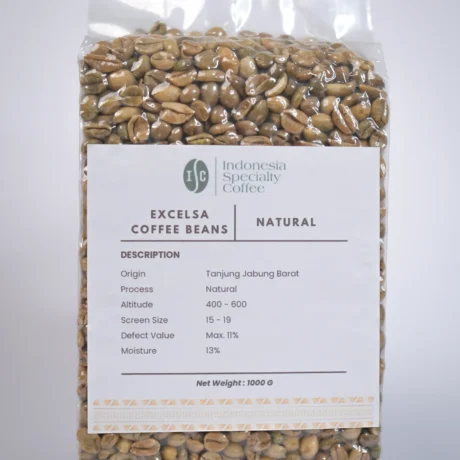
The seeds of liberica trees are surrounded by thick layers of fruit. So, processors let things dry for longer to get to a safe amount of moisture. During roasting, large beans also take longer to move heat. To make sure that the beans are evenly heated, roasters often lengthen the first roast phases. Because beans break in different ways, brewers can change the settings on their grinders.
Processing Flexibility Under Humid Weather
Processors in the region frequently use a mix of dry, honey, and wet processes depending on the season. When the sun is shining steadily and the wind is blowing hard, dry approaches work best. Honey coffee methods speed up drying when the air is very humid. Wet ways help keep cups clean as long as water is easy to get to. Researchers look at the dry and honey types of Tungkal ground coffee to make sure they are authentic.
Geographic Indication and Traceable Identity
Sometimes, producer organizations utilize regional indications to safeguard their reputations in their own areas. They set the rules for what materials can be used for Liberica coffee Indonesia, where they can be used, and how they must be processed. So, purchasers have a benchmark to use to judge the quality of what they buy. Kopi Liberika Tungkal Jambi has a designated geographic indicator.
Flavor Profile and Aroma of Liberica Coffee Indonesia
Liberica coffee Indonesia commonly shows sweet, herbal, and jackfruit-like notes. Terroir shapes these notes through soil chemistry and water patterns. Buyers often associate the beans with specific lowland sites. Lowland heat frequently lowers sharp acidity and raises body temperature. Therefore, origin influences taste as strongly as roast level. A GI description for Tungkal Jambi notes sweet and herbal flavors. It also notes jackfruit flavors and a long aftertaste.
Roasters and brewers in Indonesia shape Liberica coffee by controlling the roast and the extraction. Light roasts make floral and fruity aromas stand out more. Medium roasts often taste like cocoa and mild spices. Dark roasts can bring out smokey or woody flavors. Sources say that Jambi, Riau, Kalimantan, and Bengkulu are important places. So, brewers should make sure that the process matches the roast level. The tables show the most common notes for this coffee.
| Origin area | Commonly reported notes | Typical processing context |
|---|---|---|
| Tanjung Jabung Barat, Jambi | sweet, herbal, jackfruit, long aftertaste, clean finish | GI guided dry, honey, or wet methods with careful sorting |
| Kepulauan Meranti, Riau | ripe fruit, herbal, mild smoke, soft spice | coastal peat, humid drying, and covered patio drying in rain |
| West Kalimantan lowlands | this Liberica coffee Indonesia has woody tones, cacao, mild earth, rounded body | warm shade systems with mixed dry and wet processing |
| South Kalimantan lowlands | smoky wood notes, darker cocoa, low acidity | longer drying and darker roast preferences in local trade |
| Bengkulu lowlands | herbal notes, light fruit, heavier mouthfeel | smallholder drying with varied sun exposure and humidity |
| Coffee species | Aroma emphasis | Common sensory direction |
|---|---|---|
| Coffea arabica | floral tones, citrus peel, berry notes | brighter acidity, lighter body, faster aromatic lift |
| Coffea canephora robusta | cereal notes, roasted nuts, damp earth | higher bitterness, heavier crema, stronger roast imprint |
| Coffea liberica | ripe fruit tones, floral notes, light smoke | heavier body, distinct fruit notes, longer aromatic tail |
| Roast level | Main taste shift | Brewing methods that often fit | Typical extraction aim |
|---|---|---|---|
| Light | clearer herbal and fruit notes | pour over, siphon | higher clarity, moderate strength, shorter contact time |
| Medium | fuller body with cocoa notes | drip, Aeropress | balanced sweetness, medium strength, steady flow rate |
| Medium-dark | Liberica coffee Indonesia has heavier body with stronger spice and wood tones | moka pot, espresso blends | higher strength, tighter ratio, careful bitterness control |
| Dark | stronger smoky and woody notes | espresso, French press | high strength, longer body finish, lower perceived acidity |
Why Liberica Coffee Indonesia Is Different from Arabica and Robusta
Liberica coffee Indonesia differs from Arabica and Robusta at the farm and cup levels. Coffea liberica grows as a tall tree with large beans. Arabica and robusta usually grow as shorter shrubs. Therefore, spacing, pruning, and harvest tools differ on farms. These raw traits also influence roasting speed and extraction flow. Sources link Liberica to rust responses across Asia.
Clear comparisons also require the same roast level and brew method. Roasters can darken any species and hide subtle notes. However, raw chemistry still guides bitterness and aroma range. Therefore, buyers should compare similar roast levels across species. The following differences summarize selection factors for menu design. Menu planners can use Liberica coffee Indonesia as a contrast option. Each point stays direct and specific for scanning.
- Taste: Liberica coffee from Indonesia often shows herbal and jackfruit notes.
- Bean size: Liberica coffee Indonesia beans are often larger than Arabica and robusta beans.
- Caffeine: Liberica often contains less caffeine than robusta. Chemical studies compare caffeine and acids across species.
- Aroma: Liberica often delivers fruity and smoky aromas in the cup. Arabica has floral and citrus aromas in lighter roasts. Robusta has cereal and woody aromas in most roasts.
- Growing altitude: Farmers grow Liberica at lower altitudes more often. Farmers grow Arabica at higher altitudes more often. Low altitudes bring higher heat and more humidity.
- Rarity: Markets trade small volumes of Liberica beans worldwide. Arabica and robusta dominate global supply and grading systems.
- Aftertaste: Liberica coffee Indonesia often leaves a long sweet finish after swallowing. Robusta can leave harsher bitterness, especially with dark roasts. Arabica often leaves a cleaner and shorter finish in lighter roasts. Aftertaste also changes with extraction yield.
Cultural and Regional Importance of Liberica Coffee in Indonesia
Liberica coffee Indonesia helps rural people in lowland areas and a variety of crops. Jambi farmers made a name for themselves by growing Tungkal coffee and peat. Geographic indication requirements help producer groupings keep their identify safe. Thus, coffee connects local standards with marketing in the region. Research tracks the production of goods in different subdistricts of Tanjung Jabung Barat.
Regional importance also connects to small scale roasting and local trade. Some groups roast beans locally and sell through short supply chains. Others sell green beans to roasters in large cities. Therefore, value capture differs by region and access to logistics. Media coverage also highlights Riau liberica from Kepulauan Meranti. Reports connect that origin to coastal peat and humid climate. Local roasters sometimes market Liberica coffee Indonesia in souvenir packs. Such visibility can support training, tourism, and product standard work.
Conclusion
Liberica coffee Indonesia describes Indonesian coffee from Coffea liberica in lowlands. The species offers large beans and distinct aroma traits. Farmers manage peat soils, humidity, and canopy structure in daily work. Therefore, environment and technique shape flavor more than simple branding. Geographic indication systems also support traceability for some origins. Roasters then guide taste through roast level and brewing method.
For long-term success, there needs to be regular postharvest control and clear signals from the market. Farmer groups can make the steps for sorting, drying, and storing better. Roasters can post the roast goals and brew ratios for each batch. Moreover, shared records can help people remember things and buy things again. Explore authentic Liberica coffee beans and learn sourcing insights at SpecialtyCoffee.id today for the best sipping experience.