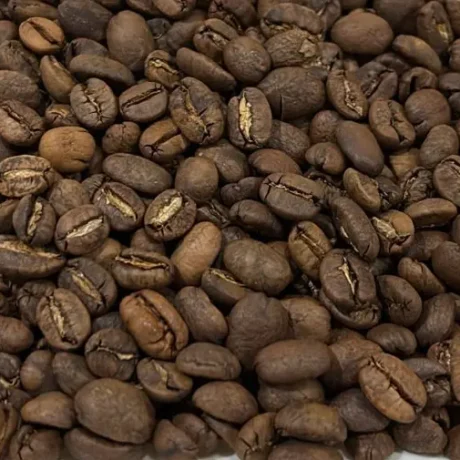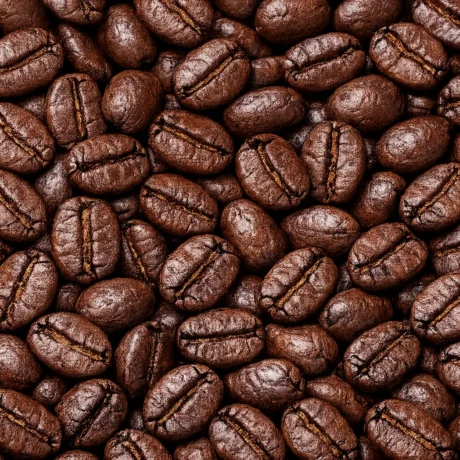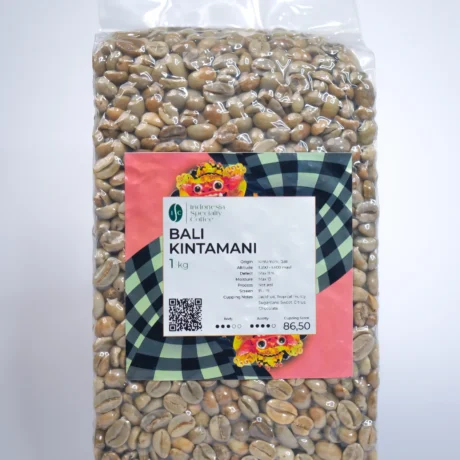
Longberry coffee is a market label for elongated Arabica coffee beans where the bean shape and size influence practical buying and brewing decisions. The elongated beans can change roast uniformity, grind particle distribution, and extraction stability. Buyers usually see the beans tied to origin listings such as Ethiopia or Indonesia, yet the label alone does not standardize quality. Therefore, this selection should rely on verified specs like origin, processing method, screen size, and roast date.
Longberry coffee delivers value when it supports a predictable workflow from sourcing to service. A buyer can compare suppliers by checking screen distribution, defect tolerance, and freshness, then matching roast level to the target brewing method. A roaster can reduce uneven development by moderating early heat and managing airflow, because elongated beans can heat unevenly. A brewer can stabilize extraction by starting slightly coarser, then tuning ratio and time to control fines impact.
What Is Longberry Coffee?
Longberry coffee functions as a trade label for Arabica lots that show a longer bean shape than standard seeds. The market uses the term in two ways: a size grade within a regional classification system or a descriptive tag for elongated Arabica varieties. Ethiopia often uses “Longberry” as a grade label for larger Harrar beans. Indonesia often uses “Longberry” as a lot description tied to origin and selection practices.
Because the term varies by seller, it requires a verification workflow before purchase. A buyer should request the lot’s origin, processing method, screen size distribution, moisture, and defect tolerance. Next, the buyer should ask whether the label reflects a grade, a cultivar claim, or both. This approach prevents mismatched expectations when longberry coffee appears across multiple suppliers with different standards.
How Sellers Typically Use the Label of Longberry Coffee
| Label on listing | What it usually means | Risk if unverified | Buyer action for BoFu certainty |
|---|---|---|---|
| “Longberry” only | Shape-based description, no origin guarantee | Mixed origins and variable quality | Request origin and processing proof |
| “Harrar Longberry” | Size grade for larger Ethiopian beans | Notes vary by natural lot quality | Confirm grade, defects, and roast date |
| “Gayo Longberry” | Indonesian origin lot marketed by shape | Wet-hulled vs washed changes profile | Confirm processing and moisture |
| “Longberry vs Peaberry” | Size-sorted comparison within a region | Misleading if screens blend | Request screen size distribution |
Bean Structure and Size Characteristics
Bean length matters because it influences heat transfer during roasting and particle formation during grinding. Longberry coffee often shows a higher length-to-width ratio and a longer center cut. That geometry can heat unevenly if the roast ramps too fast. It also fractures differently under burr pressure, which can shift fines production. Therefore, buyers and roasters should treat bean shape as a process variable that affects repeatability.
Structure affects extraction because grinders create a particle spectrum, and fines can slow flow. Longberry coffee can generate more fines on worn burrs, especially with unstable feeding. That shift can cause longer brew times and higher bitterness risk. Consequently, operators should calibrate grinders, track extraction metrics, and keep recipes consistent across service. These controls support stable performance when the bean moves between filter and espresso.
Geometry and Heat Distribution
Elongated coffee beans can heat faster at the tips than at the core. This risk increases when a roaster applies aggressive early heat. Therefore, roasters should use a steadier rate of rise and earlier airflow management. This method supports more even internal development and reduces scorched flavors. Better uniformity improves solubility and simplifies dial-in across different brewing methods.
Density and Moisture Effects
Green density and moisture strongly influence how quickly heat penetrates the bean. Longberry coffee lots can show mixed density, especially with natural or wet-hulled processing. Higher moisture extends drying and can push roasters into uneven development. Therefore, roasters should measure moisture and adjust charge temperature accordingly. This approach reduces baked notes and keeps roast level consistent.
Grind Behavior and Fines Control
The longer center cut can guide fracture lines during grinding. On dull burrs, this can produce extra fines and widen distribution. Extra fines slow flow and raise bitterness when extraction runs high. Therefore, brewers should start slightly coarser and adjust contact time and ratio. A burr refresh can also tighten distribution and stabilize outcomes.
Screen Size and Roast Uniformity
Suppliers often screen-sort longberry coffee into larger sizes, which can reduce mass variance in a batch. Lower variance can improve roast uniformity because beans absorb heat more consistently. However, some sellers blend screens or omit distribution details. Therefore, buyers should request screen size ranges and defect counts. This check reduces surprises when scaling from sample to production.
Flavor Profile of Longberry Coffee
Flavor depends on origin, processing, and roast level, so longberry coffee never tastes identical across suppliers. Ethiopia longberry listings often present fruit-forward notes and brighter acidity, especially with natural processing. Indonesian longberry listings often present deeper body and more earthy or cocoa-leaning flavors, depending on processing. Therefore, buyers should connect flavor expectations to origin and process, not only bean shape. Taste the elegance of longberry, sustainably sourced and roasted for exceptional depth and aroma only from SpecialtyCoffee.id.
Roast level controls how longberry coffee expresses sweetness, acidity, and bitterness. Light roasts preserve aromatics and can highlight acidity, yet they can expose green defects. Medium roasts often increase sweetness and solubility, which supports both filter and espresso applications. Dark roasts reduce origin distinction and increase roast bitterness, which can reduce differentiation. Therefore, buyers should choose roast level based on target menu and brewing method.
- Acidity and clarity: Acidity often shows strongest in high-altitude lots and in cleaner processing styles. The bean from Ethiopia can present higher perceived acidity than Indonesian lots.
- Sweetness and cocoa structure: Sweetness increases when roasting promotes solubility without heavy roast bitterness. Medium roast levels often support caramel-like sweetness and cocoa structure. Some Indonesian longberry coffee lots lean into chocolate and caramel when development stays controlled.
- Body and characteristic: Body rises with higher dissolved solids and more suspended material, depending on filtration. Indonesian processing styles can yield heavier body, which can suit espresso or immersion brewing.
- Earthy, herbal, and spice notes: Earthy and herbal notes often correlate with origin and processing, not bean shape alone. Some Indonesian longberry coffee presentations include herbal or earthy tones that can dominate under high extraction.
Best Brewing Methods for Longberry Coffee
Longberry coffee performs best when brewers control grind size, ratio, and time with measured targets. Elongated beans can create fines that slow flow, especially on worn burrs. Therefore, brewers should start with a slightly coarser grind than usual and then adjust yield and time. This method improves repeatability and reduces wasted dial-in, which supports BoFu operators and buyers.
Brewing choices should match service goals and flavor targets. Filter methods highlight clarity and origin separation, while espresso emphasizes structure and body. Therefore, operators should document dose, yield, time, and temperature per lot. This discipline helps teams reproduce results across shifts and equipment. The bullets below prioritize extractable parameters and stable control points for longberry coffee.
Quick Brew Parameter Table for Purchasing and Training
| Method | Grind starting point | Ratio starting point | Control focus for stability |
|---|---|---|---|
| Pour-over | Medium-fine | 1:15–1:17 | Flow rate and bed evenness |
| Batch drip | Medium | 1:16–1:18 | Minimal agitation and consistent dose |
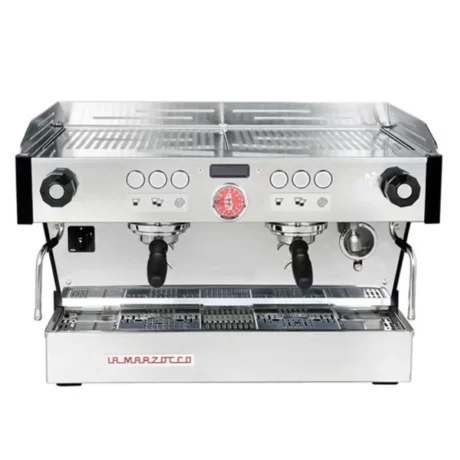
| Espresso | Fine | 1:2 | Distribution, puck prep, and time |
| French press | Coarse | 1:14–1:16 | Steep time and plunge speed |
| AeroPress | Medium-fine | 1:12 | Steep time and pressure consistency |
| Moka pot | Medium-fine | N/A | Heat control and early stop |
| Cold brew | Coarse | 1:8 concentrate | Time and filtration quality |
Conclusion
Longberry coffee becomes a stronger purchase when buyers define it through measurable specs rather than relying on the label alone. This selection should confirm origin, processing method, screen size, and roast freshness, because those variables predict flavor and performance more reliably than bean shape claims. A buyer can reduce sourcing risk by requesting screen distribution, moisture metrics, and defect tolerance before placing volume orders. These checks align price with expected roast behavior and reduce batch-to-batch variance.
Longberry also rewards a disciplined roasting and brewing workflow that accounts for elongated bean geometry. Roasters can protect uniform development by moderating early heat and managing airflow to avoid tip scorching and underdeveloped cores. Brewers can stabilize extraction by starting slightly coarser, controlling agitation, and locking dose-to-yield targets for each method. Explore premium longberry coffee beans crafted for clarity, complexity, and a memorable experience only from specialtycoffee.id.