Indonesia has become a top origin for buyers seeking clarity, traceability, and standout flavor. This guide explains how Indonesian single-origin coffee performs in specialty menus and retail, what drives price and quality, and how to evaluate lots. For roasters and cafes, single origin coffee offers a story you can verify, not just a taste you can market.
From volcanic slopes to island microclimates, Indonesia delivers profiles that range from syrupy and herbal to bright and tropical. When sourcing single origin coffee, the most useful lens is “lot definition”: a specific farm, cooperative, or district, processed and stored with documented standards.
What Makes Indonesian Single Origin Coffee Unique in the Global Market?
Indonesia’s advantage starts with geography: active volcanoes, high elevations in many regions, and humid tropical conditions that shape plant growth and fermentation behavior. These factors create dense beans and distinctive aromatics. In the right hands, single origin coffee from Indonesia can show layered sweetness with spice, cacao, florals, or citrus.
Equally important is processing culture. Indonesia is famous for wet-hulled styles as well as modern naturals and honey processes from smallholders and producer groups. That diversity lets buyers match single origin beans to specific goals, espresso depth, filter clarity, or signature seasonal releases without losing the “Indonesia” identity.
Popular Regions for Indonesian Single Origin Coffee and Their Flavor Profiles
Indonesia is not one flavor; it is a portfolio of islands, altitudes, and traditions. Buyers usually shortlist origins based on menu needs, then confirm with samples and paperwork. To compare single origin coffee lots fairly, align the same roast level, brew method, and green specs before judging the cup.
- For espresso depth: choose heavier body, chocolate, and spice-forward profiles in single origin coffee.
- For filter clarity: choose brighter acidity, cleaner ferment, and tighter defect counts.
- For seasonal marketing: choose rare cultivars, experimental processes, or micro-lots with strong documentation.
- For consistency: choose cooperative lots with stable sorting, moisture, and shipping history.
| Region (Indonesia) | Typical Altitude | Common Processing | Flavor Shorthand | Best Use Case |
|---|---|---|---|---|
| Gayo (Aceh) | 1,200–1,600 m | semi-wash, washed | cacao, herbs, brown sugar | espresso blends or single-origin espresso |
| Lintong (North Sumatra) | 1,000–1,400 m | wet-hulled | earthy, spice, syrupy body | milk drinks, darker roasts |
| Kerinci (Jambi) | 1,300–1,700 m | washed, natural | stonefruit, cocoa, bright finish | filter, omni roast |
| Kintamani (Bali) | 1,000–1,500 m | washed, natural | citrus, floral, clean sweetness | filter, light espresso |
| Flores (Bajawa) | 1,200–1,700 m | semi-wash, washed | caramel, nuts, gentle fruit | café staples |
When building a lineup, rotate two to three regions so customers learn differences while your supply stays resilient. A curated set of single origin type also helps sales teams explain why price varies by altitude, sorting, and processing risk.
How Indonesian Single Origin Coffee Is Grown and Processed
Most Indonesian coffee is produced by smallholders, often with intercropping that supports biodiversity and household income. Farms can be fragmented, so “origin” often refers to a village, cooperative, or washing-station catchment rather than one estate. For buyers, single origin coffee quality depends on how consistently cherries are harvested, delivered, and separated by ripeness.
Post-harvest choices then shape the cup more than almost any other variable. Moisture control, drying surface, and protection from sudden rain are constant challenges in humid climates. When a producer group standardizes these steps, single origin coffee becomes repeatable across seasons instead of a one-off surprise.
Processing Methods and Cup Impact
Wet-hulled (giling basah): faster turnover and heavier body, but needs tight sorting to avoid earthy defects.
Washed: cleaner acidity and clearer aromatics when fermentation and drying are controlled.
Natural and honey: higher sweetness and fruit notes, but higher risk without careful drying and storage.
For purchasing, request the basics: harvest window, processing notes, drying duration, final moisture, water activity if available, and defect counts. Those details let you predict how single origin coffee will roast and perform on bar, not just how it tastes in one sample.
Indonesian Single Origin Coffee vs Blends: Key Differences for Buyers
Indonesian single origin coffee supports transparent pricing, origin training, and seasonal menu features for cafes. For traceability, buyers prefer lots with clear farm records, processing notes, and consistent scoring metrics. Match roast intent to density, screen size, and moisture, then confirm with repeat cuppings before contracting. It also clarifies variety, altitude, and seasonal processing changes.
Blends focus on balance, cost control, and steady performance through changing harvests. Indonesian components add body, sweetness, and spice, while lighter origins lift acidity. Choose blends for high-volume service and quick training. Use single origin for limited releases, premium pricing, and customer education built around verified lots. Track yield and stability to protect margins.
How to Choose High-Quality Indonesian Single Origin Coffee Beans
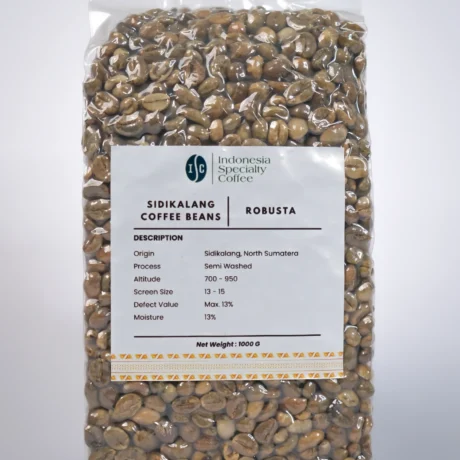
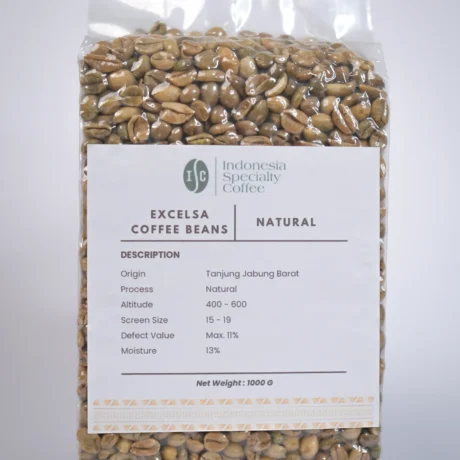
Start with paperwork, then confirm with sensory tests. Look for transparent lot IDs, harvest dates, processing descriptions, moisture targets, and clear export documentation. Ask how the exporter and roaster handle storage and bagging. High-grade coffee beans should arrive clean, stable, and protected from heat, odors, and excess humidity.
Next, evaluate green and roasted performance. Check uniformity (screen size and density), defect count, and water activity when possible. Roast small batches to test development range and solubility. A dependable single origin coffee should produce repeatable extraction across espresso and filter, not just one impressive cupping score.
Finally, align origin choice to your customer base. If your menu sells milk drinks, prioritize body and sweetness. If your audience buys pour-over, prioritize clarity and acidity. Strong sourcing notes make single origin easier to sell because staff can explain “why this costs more” in practical terms.
Conclusion
Indonesian lots reward buyers who evaluate process, specs, and consistency as seriously as flavor. With clear documentation, careful sampling, and realistic menu matching, single origin coffee from Indonesia can deliver both differentiation and reliability cup after cup, shipment after shipment.
Buy single origin coffee at SpecialtyCoffee.id to access documented origins, clear processing details, and consistent lot specifications. Our selection helps buyers compare like for like, sample confidently, and scale purchases without surprises. Choose Indonesian single origin beans that support menu clarity, repeatable flavor, and dependable supply, with global sourcing standards and export-ready logistics.