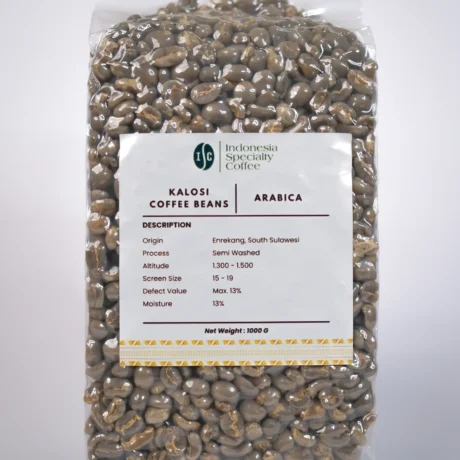

The specialty coffee process involves a series of carefully managed steps that transform fresh coffee cherries into high-quality coffee beans. Each stage, from cultivation to roasting, influences the flavor, aroma, and overall quality of the final cup.
At Specialtycoffee.id, understanding the specialty coffee process is essential for appreciating why specialty coffee stands apart from conventional coffee. Careful harvesting, controlled processing, and precise roasting all contribute to the distinctive flavors found in premium coffees.
Harvesting High-Quality Coffee Cherries
The specialty coffee process begins on the farm with the selection of ripe coffee cherries. Farmers carefully harvest cherries at peak ripeness, typically when they reach a deep red color. This stage is critical because underripe or overripe cherries can negatively affect flavor quality.
Selective hand-picking is commonly used for specialty coffee production. This approach allows farmers to choose only the best cherries while leaving unripe fruit on the tree to mature further. Proper harvesting ensures a consistent foundation for the rest of the processing stages.
Coffee Processing Methods
Once harvested, cherries move to the processing stage, where the fruit layers are removed from the beans. Different processing methods can produce dramatically different flavor profiles.
The three most common methods include:
Washed Process
The fruit pulp is removed before fermentation, producing clean and bright flavor profiles with clear acidity.
Natural Process
Whole cherries are dried with the fruit intact, allowing sugars from the fruit to influence the beans. This often creates fruity and full-bodied coffees.
Honey Process
Some of the sticky fruit mucilage remains on the bean during drying, creating balanced sweetness and medium body.
These processing choices play a major role in defining the final character of specialty coffee.
Drying and Green Coffee Preparation
After processing, the beans must be dried to safe moisture levels. Drying usually occurs on raised beds or patios under sunlight, although mechanical dryers may also be used.
Proper drying is essential because uneven moisture can cause defects or reduce shelf life. Farmers carefully monitor moisture levels until the beans reach approximately 10–12 percent moisture content.
Once dried, the beans are milled to remove protective layers before being graded and sorted. Only the highest-quality beans continue through the specialty coffee supply chain.
Roasting and Flavor Development
Roasting is the final stage of the specialty coffee process before brewing. During roasting, heat transforms the chemical structure of the beans and releases aromatic compounds.
Roasters carefully control time and temperature to highlight each coffee’s unique characteristics. Lighter roasts often preserve acidity and origin flavors, while darker roasts emphasize body and sweetness.
Specialty coffee roasting aims to reveal the best possible expression of the bean’s origin and processing method.
Conclusion
The specialty coffee process involves a complex chain of steps that begins on the farm and ends in the cup. From selective harvesting to careful processing and roasting, every stage contributes to the final quality of the coffee.
At Specialtycoffee.id, this attention to detail highlights the craftsmanship behind specialty coffee and the dedication of farmers, processors, and roasters who work together to produce exceptional coffee experiences.