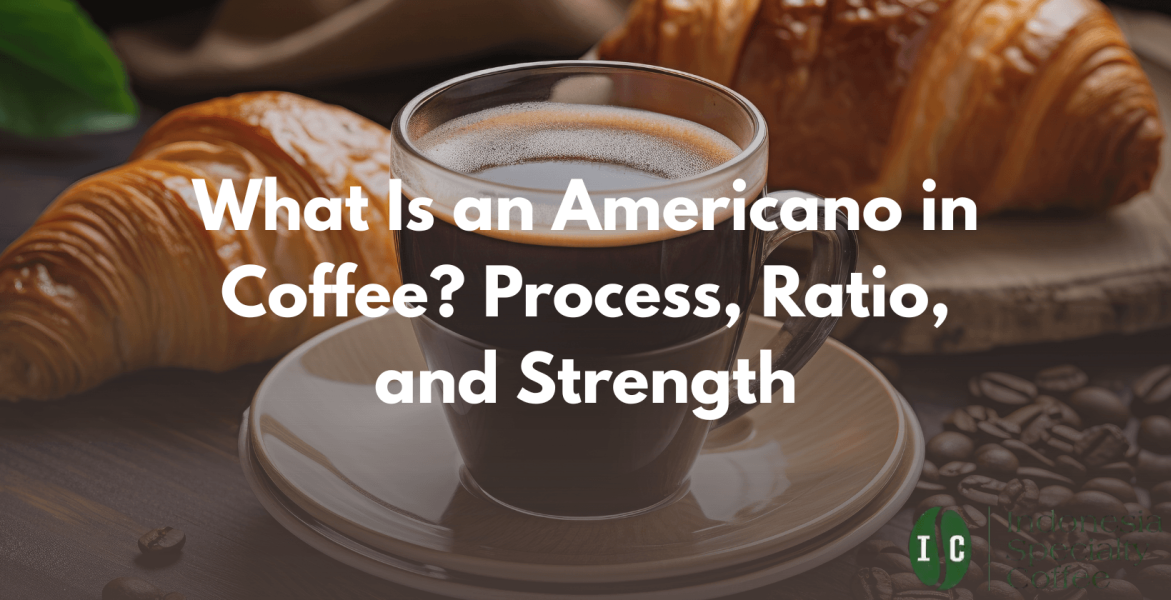
An Americano combines espresso with hot water in a single cup. This definition answers what is an americano with clear terms. Cafes use this drink to extend espresso without milk. The drink keeps espresso character while lowering concentration. Therefore, it suits menus that need an espresso-based black option.
An Americano offers a predictable structure for ordering and training. This section frames what is an americano as a standardized espresso dilution. Baristas control strength by changing water volume, not extraction time. As a result, the drink stays consistent across grinders. Additionally, the drink allows fast service during busy periods.
What Is an Americano?
An Americano combines espresso with hot water to reach a chosen volume. This direct statement explains what is an americano in practical terms. The drink uses one or more espresso shots as the base. Then it adds hot water to reach a cup size. Therefore, the drink differs from long extraction styles.
The name links to café history during the twentieth century. Accounts connect American-style coffee preferences to espresso dilution in Europe. This context supports what is an americano as a cultural and practical adaptation. Cafes kept espresso equipment while offering lighter cups. Consequently, the drink spread through specialty coffee service worldwide.
How an Americano Is Made
A standard Americano uses espresso shots plus measured hot water. This first step clarifies what is an americano from a ratio view. The water-to-espresso ratio shapes strength, aroma, and finish. Small changes shift balance between sweetness and bitterness. Therefore, baristas treat ratio as a core control.
Ratio matters because dilution changes how the palate reads extraction. Espresso carries oils and dissolved solids at high concentration. Hot water spreads those solids across more liquid volume. Consequently, the cup highlights different notes than straight espresso. Baristas record ratios to repeat results across shifts. This guide answers what is an americano through controlled dilution logic.
Choose the Espresso Dose
Baristas choose a dose that fits the basket and grinder. Dose affects flow resistance and contact time during extraction. A common dose ranges from fourteen to twenty grams. However, cafes standardize one dose for speed and repeatability. Therefore, the Americano begins with a stable espresso foundation.
Pull a Balanced Espresso Shot
Baristas pull a shot that targets balance, not extremes. This step supports what is an americano as diluted espresso, not weak espresso. A typical yield ranges from twenty-eight to forty grams. Baristas watch time, flow, and taste for adjustment. Consequently, the Americano inherits that balanced extraction profile.
Heat Water to a Controlled Range
Baristas heat water hot, yet avoid boiling. Water near ninety to ninety-six degrees Celsius works well. Lower heat can mute aroma and emphasize sourness. Higher heat can increase harsh bitterness in sensitive roasts. Therefore, temperature control protects the espresso’s soluble balance. Cafes also keep water fresh through regular boiler cycling.
Set the Water-to-Espresso Ratio
Baristas set ratios that match cup size and intent. This choice answers what is an americano in measurable brewing ratio terms. Ratios often fall between one part espresso and two to four parts water. Less water keeps body and intensity high. More water lifts clarity and reduces bitterness perception.
Decide the Pour Order
Baristas choose an order based on crema and mouthfeel goals. Pouring water first can preserve crema on top longer. Pouring espresso first can mix faster and soften crema texture. Each method keeps caffeine content the same for equal shots. Therefore, cafes pick one method for consistency. Teams document the method for training and quality checks.
Serve and Adjust for Preference
Cafes serve the drink quickly to protect aroma and balance. This final step reinforces what is an americano as adjustable strength. Baristas can offer extra hot water on the side. They can also scale shots for larger cups. Consequently, service stays flexible without changing espresso extraction settings. Staff can log guest feedback to tune ratio defaults.
Americano vs Drip Coffee
An Americano differs from drip coffee in brew method and structure. This comparison clarifies what is an americano against filter standards. Espresso extraction uses pressure and fine grind, not gravity flow. Hot water dilution occurs after extraction, not during brewing. Therefore, the drinks differ even at similar volumes.
Drip coffee relies on contact time between water and grounds. It uses coarser grind and longer flow through a filter. Paper filters reduce oils and some fine particles. Consequently, drip coffee often tastes cleaner and lighter in body. However, brewers also change turbulence and saturation during drip brewing. Those factors influence clarity, sweetness, and bitterness.
- Espresso uses pressure extraction, while drip uses gravity flow. This difference changes particle size targets and flow dynamics. An Americano starts with concentrated espresso then adds water. This structure explains what is an americano as a two-stage process. Drip coffee completes extraction in one stage, then serves. Therefore, baristas adjust different variables for each drink.
- Drip coffee passes water through a filter that traps oils. Americano dilution keeps espresso oils in the cup. Therefore, mouthfeel often feels fuller in an Americano. Filtered drip often feels lighter and cleaner. This difference affects how roasters present body-focused blends. Cafes also manage filter choice to control clarity.
- Drip coffee strength depends on dose, grind, and brew time. Americano strength depends mainly on added water volume. This point answers what is an americano as strength control after extraction. Baristas can change cup strength without changing espresso recipe.
- Drip coffee often highlights clarity and layered acidity. Americano often highlights espresso sweetness with softened intensity. Espresso crema can add a slight foam texture. Drip coffee lacks crema because filters remove foam-forming oils. Roasters may recommend different roast levels for each format.
- Drip coffee varies widely by brewer type and technique. Pour-over, batch, and immersion produce different results. Americano stays closer to espresso parameters across shops. However, water temperature and ratio still create variation.
Flavor Profile of an Americano
An Americano tastes like espresso notes in more water. This description answers what is an americano in flavor profile terms. Extraction sets the core flavors, including sweetness and bitterness. Dilution changes intensity, aroma release, and perceived acidity. Therefore, both steps shape the final cup.
Espresso extraction controls soluble balance through dose, grind, and yield. Dilution changes how the tongue perceives those solubles. Higher dilution can reveal floral or fruit notes with clarity. Lower dilution can emphasize chocolate and caramel depth. Consequently, tasting requires attention to both extraction and ratio. Cafes often offer size options that map to clear ratios.
| Roast level | Common flavor notes | Acidity impression | Bitterness impression | Body impression |
|---|---|---|---|---|
| Light | Citrus, stone fruit, floral | Higher | Lower | Lighter |
| Medium | Caramel, nuts, cocoa | Medium | Medium | Medium |
| Dark | Bitter chocolate, smoke, spice | Lower | Higher | Heavier |
| Brew ratio (espresso:water) | Intensity | Clarity | Common impressions |
|---|---|---|---|
| 1:2 | High | Medium | Dense sweetness, strong finish |
| 1:3 | Medium | Medium to high | Balanced notes, steady aroma |
| 1:4 | Lower | High | Clear notes, softer bitterness |
Caffeine Content and Strength
An Americano contains the caffeine from its espresso shots. This fact answers what is an americano for caffeine content. A single shot often ranges around fifty to seventy milligrams. A double shot often doubles that total caffeine amount. Therefore, added water changes volume, not caffeine count.
Strength perception depends on concentration, not total caffeine. More water lowers dissolved solid concentration in the cup. However, the drink can still deliver strong caffeine effects. Cup size can mislead when comparing to drip coffee. Consequently, shot count offers the best strength indicator for ordering. Cafes can print shot counts on menus for clarity.
Conclusion
An Americano uses espresso plus hot water to reach a chosen volume. This summary answers what is an americano with consistent language. Ratio control shapes strength, flavor clarity, and mouthfeel. Comparisons with drip coffee show method and texture differences. Therefore, the drink fits both espresso bars and black coffee menus.
Cafes can standardize the drink through dose, extraction, and ratio. Clear water temperature targets improve repeatable taste outcomes. Simple ratio options support menu clarity and training needs. Quality depends on espresso extraction before dilution begins. Consequently, a well made Americano delivers espresso character in a longer cup. Water quality and mineral balance also support stable, repeatable flavor.