Walk into a modern espresso bar and the menu can feel endless, yet one tiny drink keeps getting recommended by baristas: cortado coffee. It sits between straight espresso and a full latte, softening intensity without hiding flavor. That balance is why it shows up in conversations about “the perfect” milk drink on busy weekday mornings.
Because the ratio is small, every detail matters, espresso quality, milk texture, and even cup size. In many cafes, cortado coffee arrives in a sturdy glass, warm to the touch, with microfoam so thin it barely crowns the surface. The result tastes rounded, aromatic, and still unmistakably espresso-forward. It is simple, but simplicity exposes shortcuts, too.
What Is Cortado Coffee? The Short Definition
In practice, cortado coffee blends espresso with about the same amount of warm, lightly steamed milk. Its name connects to the Spanish verb cortar (“to cut”), a nod to how milk softens espresso’s bite. Ratios shift from café to café, but the intent stays the same: balance.
A great cortado feels fully integrated, with microfoam so thin it disappears into the sip. Many specialty cafés keep it compact often around 4–5 oz. Thus, the espresso stays vivid and the drink finishes at its best temperature.
Why Cortado Coffee Tastes Different From a Latte
Because cortado coffee uses far less milk than a latte, the espresso’s aromatics stay up front. Milk is steamed glossy and pourable, not piled into foam, so sweetness lifts the cup without masking origin character. Baristas often point to it as the milk drink that still “tastes like espresso.”
Where Cortado Coffee Comes From
The roots of cortado coffee sit in Spain, where espresso is frequently “cut” with a small amount of milk for a calmer, rounder cup. The drink is widely recognized there, with regional variations that may look different in the glass yet chase the same idea: espresso plus just enough milk to smooth the edges.
In some U.S. cafes, the Gibraltar name appears for a similar drink served in a 4.5 oz rocks glass, a style popularized through Blue Bottle’s cafe culture in the mid‑2000s.
Ratios, Glassware, and the Microfoam Sweet Spot
Most cafes treat cortado coffee as an equal-parts template: espresso and lightly steamed milk in close balance. Shot volume varies, but many shops land near a 4‑oz drink that tastes bold, rounded, and not overly milky.
The texture goal is thin, glossy microfoam that blends instead of sitting on top. Too much foam makes the first sips taste milky and the last sips sharp; too little texture can feel watery.
| Drink | Espresso Base | Milk Amount | Foam Level | Typical Feel |
|---|---|---|---|---|
| Cortado | 1–2 shots | roughly equal to espresso | very thin | bold, balanced |
| Flat white | 2 shots often | more than espresso | thin | creamy, coffee-forward |
| Cappuccino | 1–2 shots | moderate | thick | airy, rich |
| Latte | 1–2 shots | much more than espresso | light to moderate | mellow, milky |
| Macchiato | 1 shot | a spoon of foam | tiny | intense, “marked” |
If a menu lists Gibraltar, asking about the glass size and the espresso-to-milk balance usually clears things up faster than debating the “correct” name.
Glassware plays a bigger role than it seems. A thick-walled rocks glass retains heat and shows the layers, while a small ceramic cup keeps aroma tucked in. Many cafes preheat the vessel, then pour milk immediately to keep crema and sweetness of cortado coffee aligned together.
A Practical Home Recipe That Tastes Cafe-Level
At home, the drink works best when espresso and milk are treated as separate crafts, then combined quickly. The aim is a seamless cup where espresso stays expressive and milk adds softness, not bulk.
Pulling Espresso for Cortado Coffee at Home
For cortado coffee, many home brewers succeed by dialing a balanced espresso shot for sweetness first, then matching it with a similar volume of steamed milk. Fresh grinding and consistent water temperature do most of the heavy lifting; a fancy setup matters less than repeatable basics.
A simple tasting rule helps:
- Sour and thin: grind finer or extend extraction.
- Dry and harsh: grind coarser or shorten extraction.
Steaming Milk Without Turning It Foamy
Milk should be heated until it tastes sweet and feels velvety, not cooked for cortado coffee. Many baristas aim around 60–65°C (140–150°F), then swirl the pitcher to polish texture and pop larger bubbles.
Without a steam wand, gentle heating plus a brief whisk or jar‑shake can create light texture of cortado coffee. The key is restraint: microfoam should dissolve into espresso, not sit like a cap.
| Step | Target | Common Mistake | Fix |
|---|---|---|---|
| Espresso | sweet, concentrated | sour under‑extraction | grind finer or go longer |
| Milk | glossy, pourable | big bubbles | tap, swirl, less aeration |
| Ratio | close to 1:1 | turns latte like | reduce milk volume |
| Serve | drink immediately | letting it sit | warm cup, pour fast |
Read Also: The Ultimate Guide to Milk in Your Coffee: From Lattes to Cold Brew
Beans and Milk Choices That Flatter the Drink
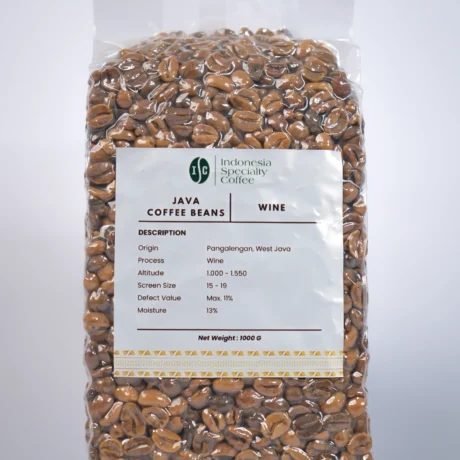
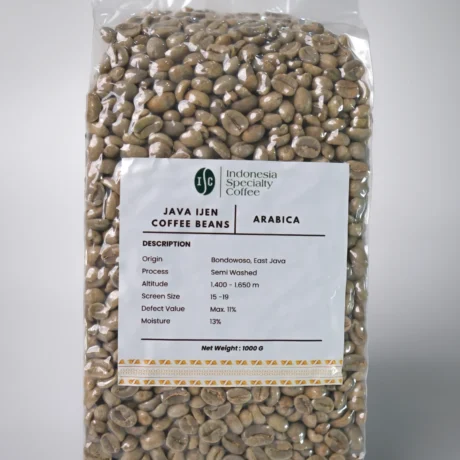
Because the milk dose is small, cortado coffee can highlight espresso nuance instead of burying it. Many cafés prefer medium roasts for chocolate‑caramel clarity, while lighter roasts can shine when dialed for sweetness rather than sharp acidity. Blends tend to feel round; single origins can bring florals or fruit.
Milk Selection: Dairy, Oat, and Why Barista Edition Matters
Whole milk is a common cafe default because it steams into dense microfoam and integrates easily. For non‑dairy, barista‑edition oat milk is often chosen for its creaminess and dependable steaming performance.
Ordering Etiquette and Menu Translations
Names can shift by region and cafe, so a calm, descriptive order helps baristas deliver the intended balance.
Ordering Cortado Coffee Confidently
When ordering cortado coffee, many regulars simply ask for “a cortado, equal parts espresso and steamed milk, minimal foam,” and accept the shop’s standard size. If Gibraltar is listed, asking whether it matches the same balance and what glass is used prevents surprises.
Conclusion
For many drinkers, cortado coffee becomes the “default” order after a few tries: strong enough to showcase espresso, gentle enough for long chats, and compact enough to finish before it cools. When cafés nail the microfoam and balance, the drink feels like a small luxury rather than a compromise in a glass sized for moments.
Home brewers can chase the same result by focusing on fundamentals: fresh beans, a well-extracted shot, and milk heated just to sweetness, not scalding. Served immediately, cortado coffee rewards slow sips and attentive tasting. It also reminds people that great coffee does not need extra syrup or towering foam, only care, practice, and steady patience.
For those who want to explore better beans, brewing tools, and practical coffee guides, visit SpecialtyCoffee.id for curated resources and insights from the specialty coffee world.