Aged barrel coffee has become a favorite curiosity in specialty shops because it blends tradition with controlled experimentation. Beans rest inside oak barrels that once held whiskey, rum, or wine, absorbing gentle wood aromatics without syrups. When the batch is clean and well roasted, the cup shows quiet sweetness, oak, and a long, lingering finish.
Roasters treat the barrel like a food-safe tool: documented, monitored, and evaluated through cupping. Drinkers tend to notice vanilla-like fragrance, softened acidity, and a rounder body, but the base coffee still needs to shine. This article explains how aged barrel coffee is produced, how to judge quality, and how to brew it well.
What Aged Barrel Coffee Is and What It Is Not
Aged barrel coffee is coffee rested in a previously used (often oak) barrel that once held spirits or wine. The beans pick up wood-led aromatics, then get roasted and packed; the effect comes from contact and time rather than syrups or extracts.
Barrel Resting vs. Aged Green Coffee
Long-term aging usually means green beans stored for months or years to mellow acidity and evolve flavor, while barrel resting is shorter and more aromatic. Storage guides for aged green coffee also stress disciplined conditions and prompt consumption after roasting useful guardrails for any barrel release.
The Process Behind Consistent Aged Barrel Coffee
Roasters who nail aged barrel coffee manage it like a controlled variable: track conditions, cup often, and stop early if the barrel starts tasting woody or stale.
Base Coffee Selection
Sweet, dense coffees with chocolate, spice, or dried-fruit tendencies often integrate oak well. The base should taste complete before the barrel ever enters the conversation.
Aged Barrel Coffee Choice and Preparation
Bourbon or whiskey aged barrel coffee lean vanilla and toasted oak; rum can suggest molasses; wine barrels may add fruit-like aromatics and light tannin. A clean, non-damp smell is non-negotiable, and the storage room must stay stable.
Resting Window and Sensory Checkpoints
Many programs rest beans roughly one to four weeks and check aroma routinely. Too long can flatten the cup, so restraint is part of the craft.
Roasting and Post-Roast Rest
Medium development often keeps sweetness while rounding the oak edge. After roasting, a brief rest helps aromatics settle, but the coffee should still be treated as fresh.
Read Also: Aged Green Coffee Beans: A Comprehensive Guide
Flavor Expectations of Aged Barrel Coffee: What Tasters Usually Find
Aged barrel coffee often shows louder fragrance, smoother perceived acidity, and a longer finish. Ideally, the “barrel” sits on top of origin character instead of replacing it.
Barrel Types and Typical Cues
| Barrel history | Typical aroma cues | Palate impression | Roast direction |
|---|---|---|---|
| Bourbon / whiskey | vanilla, toasted oak, caramel | sweet structure, warming finish | light-medium to medium |
| Rum | brown sugar, dried banana, molasses | heavier body, dessert-like | medium |
| Wine | red fruit, cocoa, gentle tannin | brighter mid-palate, winey aroma | light-medium |
| Brandy / sherry | raisin, baking spice, nutty oak | complex, long aftertaste | medium |
Quality Signals (and Red Flags)
Clean cups of aged barrel coffee show fresh wood, confectionery notes, and clear coffee sweetness. Red flags include damp wood, cardboard, harsh bitterness, or a one-note barrel aroma that hides the coffee’s identity defects that would be obvious on a cupping table.
Brewing Aged Barrel Coffee to Make It Stays Clear
Filter Brewing
Pour-over and batch brewing often give the cleanest separation between sweetness and oak finish. Lower agitation and balanced extraction usually prevent the cup from turning “oaky” or muddy.
Espresso and Milk Drinks
In espresso, the style of aged barrel coffee can become dessert-like quickly. Slightly longer ratios can keep shots from feeling sticky, and milk tends to emphasize vanilla-caramel impressions without tipping into artificial flavor.
Cold Brew
Cold brew amplifies body and softens brightness, which often suits rum- and bourbon-leaning barrels. A shorter steep can keep the finish clean.
How Professionals Evaluate Aged Barrel Coffee
Barrel projects live or die in cupping. Many roasters run a triangle test: one cup of the base coffee, one cup of the barrel batch, and a duplicate, then tasters try to spot the odd cup. Notes focus on fragrance, balance, and any taints that would disqualify the lot, such as moldy or papery aromas.
For home evaluation, the same logic works. Brewing two identical filter cups one barrel-rested and one standard roast from the same origin keeps expectations honest. Tasting again as the cups cool helps, because oak aromatics can rise while defects become clearer. If the aged barrel coffee shows extra sweetness and a cleaner finish, it is working; if it only adds rough oak, the barrel is dominating and the base coffee tastes dulled.
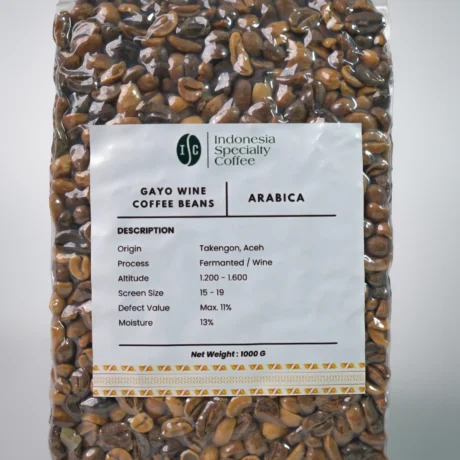
Read Also: The Ultimate Guide to Wine Coffee Beans: Indonesia’s Unique Specialty Coffee
Buying and Storage: Where Most Disappointments Start
An aged barrel bean is easy to market and hard to execute, so buyers benefit from transparency and freshness.
What a Credible Label Usually Includes
| Detail on the Bag | Why It Matters | Quick Check |
|---|---|---|
| Base coffee origin & variety | signals a quality foundation | should not be “mystery blend” |
| Barrel type and former contents | sets realistic expectations | “ex-bourbon oak” is clear |
| Resting duration and method | shows control, not vague hype | days/weeks, not “aged” only |
| Roast date | freshness still rules | recent date is preferable |
Freshness Rules Still Apply
Even though aged green coffees can keep for long periods under conrolled conditions, roasted coffee peaks within weeks, and this style is no exception.
Conclusion
The best aged barrel coffee succeeds when the producer treats the barrel as a measured ingredient, not a shortcut. Clear origin information, a documented resting window, and disciplined roasting keep the cup clean. When those pieces align, oak and spirit aromatics sit on top of sweetness, then fade into a balanced finish for most palates.
Curious drinkers can get the most from it by buying fresh, sealing the bag, and brewing with a lighter hand. A side-by-side tasting against the same coffee without barrel resting clarifies the difference immediately. If the barrel note adds clarity and depth, the purchase was justified; if it masks flaws, it was not.
Quick FAQs
Does it contain alcohol?
Most producers describe aromatic transfer from the barrel, not alcohol infusion, and these coffees are typically sold as non-alcoholic.
Is it the same as flavored coffee?
No syrups are required, but overdoing the barrel can make it taste like flavoring.
Is it worth trying?
For drinkers who enjoy oak, dessert notes, or experimental processing, aged barrel coffee can be a high-signal treat, especially alongside the same origin roasted normally.