People go to Bali island for its tranquil energy, rich culture, and strong connection to nature. Coffee is a significant part of daily life there, along with beaches and temples. The Bali coffee experience lets tourists take their time and see the island in a new way. Here, beans are a sign of respect for the land, tradition, and patience. The climate, soil, and values of the community all define the story of each cup.
On the island, estates are next to rice fields, rivers, and forests. Farmers work with nature instead of against it. The Bali coffee experience shows how to find balance and harmony in daily life. People who wander around the farm and taste the brew often note this equilibrium. These times feel real and not contrived. This beverage is more than just a drink. It becomes a cultural bridge that links visitors to local customs.
What Sets the Bali Coffee Experience Apart?
This region differs from places that produce in large quantities, as it focuses on small-scale agriculture. The Bali coffee experience is warm and pleasant. Farmers typically show guests around and explain everything in detail. This direct encounter helps people trust and understand each other. Roasting beans in small batches helps keep them fresh and tasty. The geography and weather vary across the island, giving each region its own flavor.
Spiritual ideals also affect how farmers do things. Many sow and harvest according to old dates. The experience is more about taking your time and being careful than rushing. Farming operations often coincide with festivities and seasons. People who go on tours feel calm and focused. This setting makes people want to take their time tasting and learning. These kinds of things help tourists learn more about coffee than just how they drink it every day.
History of Coffee Production in Bali
During the colonial period, coffee arrived here. Arabica plants first grew in the highlands. Farmers in the area swiftly changed their practices to fit the land. People learned about and practiced coffee together, which helped the experience grow. Skills were passed down from one generation to the next. Over time, farming methods got better without abandoning old ways.
Later, Robusta types spread to lower areas. This change helped production grow, and income stayed steady. The Bali coffee experience changed as market demand grew. Small farms were still vital to output, however. Farmers got together in groups in their own areas to share tools and knowledge. This teamwork strengthened quality and sustainability. These systems still help the local coffee culture today. Experience Bali coffee culture, from volcanic soil to handcrafted brews, only at SpecialtyCoffee.id.
Famous Areas for the Bali Coffee Experience
There are several notable coffee-growing areas, each with its own unique flavor. The sensation of drinking coffee varies depending on where you are. Highland locations produce milder flavors, whereas lower areas produce stronger flavors. Travelers benefit from visiting diverse places. Knowing a place’s unique features makes sampling sessions and farm excursions more interesting.
Regional diversity also helps with responsible farming. Farmers plant its natural beans that grow well in their area. This method keeps the Bali coffee experience real. Community leaders carefully make farming decisions. These choices keep the soil and water supplies healthy. People who come to visit often learn how taking care of the land makes food taste better and be of higher quality.
The Kintamani Highlands
It is cool at Kintamani, which is close to Mount Batur. Farmers plant Arabica at greater altitudes. The flavors in this area are bright and fresh. Coffee plants grow naturally on volcanic soil. Other crops provide shade for trees as they grow. Visitors want to see clear vistas and take peaceful walks around the farm with extensive explanations.
The Pupuan Region
Pupuan is in the western part of the island, where the hills are green and rolling. This is where farmers grow Arabica and Robusta and best option for Bali coffee experience. Regular rain helps plants grow well. The beans from Pupuan have a smooth, balanced taste. There are many family farms in the neighborhood. During tastings, visitors frequently want calm places and personal experiences.
Area of Tabanan
Tabanan has reasonable ground for farming and robust water systems. Along with cocoa and spices, coffee grows. This blend is suitable for soil health. Beans from this area have an earthy taste. People who come to see the traditional roasting processes typically do. Guides make each step easy to understand. Learning is easy and calm.
Villages in Bangli
Bangli settlements are close to lakes and forests. Shade from trees slows bean growth and improves their flavor. Hence, it’s the best area for Bali coffee experience. Bangli coffee tastes clean and mellow. Groups in the community work together to plan when to harvest. People who come to visit occasionally help pick things. These hands-on activities make learning very effective.
Slopes of Karangasem
Karangasem is close to Mount Agung and has dry weather. Farmers make do by watering carefully. The brew from this location has a strong, deep flavor. Small harvests make people pay more attention to quality. Visitors see a lot of discipline and hard work. Each cup has a story about a farmer that makes it special.
Hills on the Jembrana Coast
The warm hills along the coast are part of Jembrana. Robusta beans are what farmers mostly grow. These beans make a powerful body and flavor. Farming practices are still helpful and work well. Visitors learn how to dry and store things. The area feels calm and not too busy for Bali coffee experience. This environment helps people learn better.
Bali Coffee Experience for First-Time Visitors
People who are here for the first time sometimes feel intrigued but don’t know where to start. Beginners are welcome at the Bali coffee experience. Farm tours show you how things work step by step. Guides talk in basic terms and show instances. This method helps people feel more at ease and more confident to learn things, for example Kintamani beans. Visitors depart with precise knowledge and gratitude.
Getting ready helps guests thoroughly appreciate sampling. If you’re patient and pay attention, the Bali coffee experience will be worth it. Giving people time to ask questions helps them learn. Hearing what farmers have to say makes the visit more interesting. Respect grows when you know how much work goes into each cup. These times often become memories that linger forever.
- Pick small farms to get to know people.
- Go to farms in the morning for comfort.
- During the tour of Bali coffee experience, feel free to ask questions.
- Try the brew without sugar first.
- Write down the smell and taste.
- Follow the area’s rules and customs.
- After trips, buy local items.
The Best Time of Year to Go on a Bali Coffee Tour
Changes in the weather affect agriculture and transport. The Bali coffee experience changes with the seasons. In dry months, it’s easier to see where you’re going. Wet months show green landscapes and growing plants. There are different things to learn in each season. Planning helps you find the right time for your hobbies.
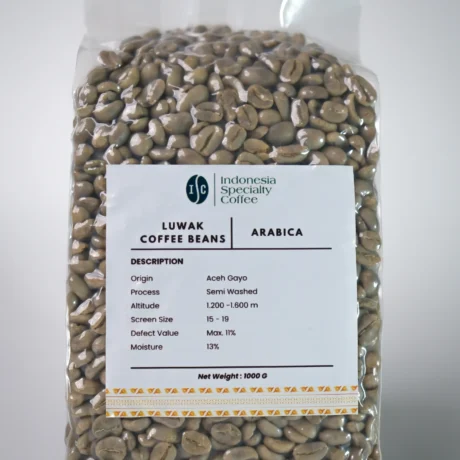
There are more hands-on activities at harvest time. During these months, the Bali coffee experience is more interesting. Visitors can help pick or dry beans. During busy times, farmers frequently tell more personal stories. Also, they are willing to show you how the luwak coffee is made. The cooler weather in the highlands makes visits last longer. Knowing about the seasons helps you set better expectations.
Dry Season Visits
April to September is the dry season. The weather is warm and sunny. It’s easy to travel between regions. Farms are mostly about drying and upkeep. Visitors like excursions that are easy to follow and have good views. This time of year is excellent for photography and walking trips.
Wet Season
October to March is the wet season and best for Bali coffee experience. Rain helps plants grow and bloom. Farms look green and full of life. Visitors experience the first phases of growth. Tours are still going on, but with changes. This season is good for travelers who like quiet places.
Harvest Season Highlights
Typically, harvest happens from June to August. Farmers choose cherries that are ready to eat by hand. People who visit can take part in this process. This practice makes quality control very evident. The atmosphere is lively and educational. Learning becomes useful and sticks with you.
Shoulder Season
April and September are good months for all types of weather. There are fewer people in these months. Thus, it’s a perfect time to do Bali coffee experience. Farms work without stress. Guides pay closer attention to visitors. Prices may seem fairer. This time is good for leisurely exploring. Learn why Bali coffee stands out globally and explore premium selections at SpecialtyCoffee.id today.
Festival Times
During harvest time, several villages have ceremonies. These gatherings are meant to respect the land and work. People who come can see cultural events. People commonly drink coffee at events. Respectful observing enhances comprehension. Planning early makes sure you can get in.
Climate Considerations
The weather is cooler in the highlands all year. Moreover, the situation is warmer and more humid near the coast. Visitors should wear light layers. Because of this, farm walks are easier with comfortable shoes. Understanding the weather makes things more comfortable. This knowledge helps make tours more fun.
Why Travelers Should Not Miss the Bali Coffee Experience
Travelers who journey often want to find greater significance in their trips. The Bali coffee experience gives you that depth. Farms show how locals live and what they value. Direct engagement fosters comprehension and esteem. Every visit helps residents in the area make a living. Making wise travel choices has a good effect.
Not only that, the Bali coffee experience also teaches you patience to wait for its best result. It takes time and care to make the brew. Visitors typically depart with a new sense of appreciation. These teachings go beyond just coffee. They change how individuals think about travel and how they live their daily lives.
Conclusion
The coffee journey in the region of Bali is mostly rooted in culture and nature. The Bali coffee experience combines history, land, and hard work. Each area has its own unique personality and memories for you to discover about new things. Visitors learn more by doing things themselves. Not only a product, but coffee becomes a tale.
Choosing the Bali coffee experience makes travel more interesting. It helps local communities and traditions, people who leave with new ideas and knowledge. Lasting memories come from simple moments. One cup at a time, the best Bali beverage keeps telling its story. Discover premium Indonesian coffee stories and ethical sourcing by starting your journey at SpecialtyCoffee.id now.