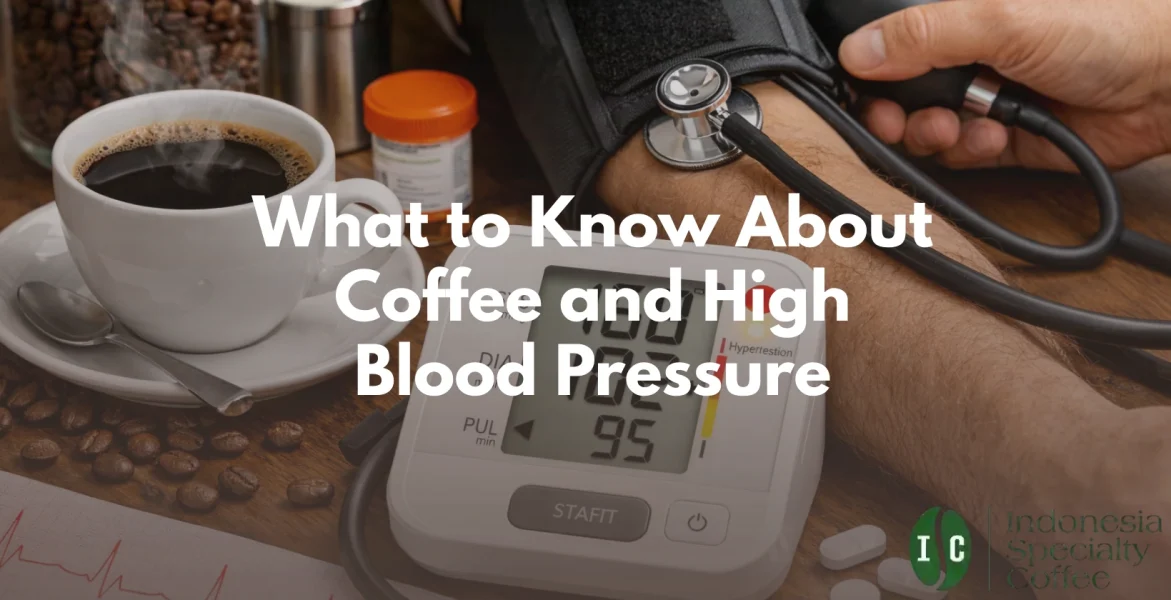
For many people, coffee is less of a beverage and more of a daily ritual. It wakes up the senses, anchors routines, and often carries social meaning too. Yet once a blood pressure reading starts creeping upward, that comforting cup can suddenly feel complicated. The connection between coffee and high blood pressure is not as simple as “good” or “bad.” Caffeine can cause a temporary rise in blood pressure, but long-term coffee habits do not always lead to lasting hypertension in healthy adults.
The bigger picture depends on genetics, tolerance, medications, portion size, brew strength, and overall cardiovascular health. That is why readers benefit from looking beyond headlines and understanding how coffee works inside the body before deciding whether a favorite brew still belongs in the daily routine.
Understanding Coffee and High Blood Pressure
High blood pressure, or hypertension, develops when blood moves through the arteries at consistently higher-than-normal pressure. Over time, that extra force can strain blood vessels, the heart, kidneys, and brain. CDC guidance defines high blood pressure as readings consistently at or above 130/80 mm Hg.
In the conversation around coffee and high blood pressure, the main active compound is caffeine, a stimulant that affects the central nervous system and can change how blood vessels and stress hormones behave for a short period.
Caffeine may block adenosine, a chemical involved in relaxation and vessel widening, and it may also increase adrenaline release, which helps explain why some people feel more alert, wired, or physically stimulated after a strong cup.
How Coffee Affects Blood Pressure
The key point with coffee and high blood pressure is timing. In many adults, caffeine can nudge blood pressure upward for a brief window after consumption, especially in people who do not drink coffee regularly.
Habitual coffee drinkers often develop some tolerance, which may blunt the effect. That means the same espresso that leaves one person unfazed could raise another person’s reading enough to matter during home monitoring or a clinic visit.
Several mechanisms may be involved:
- Adenosine blocking: Caffeine may interfere with a chemical that helps blood vessels stay relaxed.
- Adrenaline release: Caffeine can stimulate stress hormones that temporarily increase heart activity and vascular tension.
- Nervous system activation: The body may become more alert and reactive, which can raise blood pressure in the short term.
- Individual sensitivity: Genetics, usual intake, sleep quality, anxiety, and medications can all change the response.
Short-Term vs Long-Term Effects
When discussing coffee and high blood pressure, this short-term versus long-term distinction matters most. A temporary increase after drinking coffee does not automatically mean regular coffee consumption causes chronic hypertension. Several reviews suggest the long-run picture is more neutral, and in some populations, habitual intake has not been linked with higher hypertension risk.
| Effect Type | What Often Happens | Who Notices It Most | Practical Takeaway |
|---|---|---|---|
| Short term | Blood pressure may rise briefly within about 30 to 120 minutes after caffeine intake | Infrequent coffee drinkers or people sensitive to caffeine | Avoid checking blood pressure right after coffee unless testing caffeine response |
| Long term | Regular moderate intake often shows a neutral relationship with hypertension risk in large reviews | Habitual drinkers with otherwise stable health habits | Overall lifestyle matters more than one cup alone |
Table 1. Summary based on Clinic guidance and large reviews of habitual coffee intake.
Who Should Be Careful With Coffee Consumption
With coffee and high blood pressure, caution is less about fear and more about context. Some groups should pay closer attention to symptoms, home readings, and clinician advice:
- People with uncontrolled hypertension
If readings are regularly high despite treatment, caffeine may make management more complicated. - Those with severe hypertension
American Heart Association reporting on a large study found that drinking two or more cups daily was associated with higher cardiovascular mortality in people with severe hypertension. (American Heart Association) - Caffeine-sensitive individuals
Some people experience palpitations, jitteriness, headaches, or a stronger blood pressure rise after even modest intake. (Mayo Clinic News Network) - People taking certain medications
Caffeine can interact with some medicines or affect how blood pressure control feels day to day. (Mayo Clinic) - Pregnant women and adolescents
These groups are generally advised to be more cautious with caffeine overall. (www.heart.org) - Anyone who gets “normal” readings only sometimes
Coffee right before measurement can muddy the picture and make home tracking less reliable. (Mayo Clinic News Network)
Research Insights on coffee and high blood pressure
The research on coffee and high blood pressure is more nuanced than old assumptions suggest. Short-term experiments consistently show that caffeine can push readings up temporarily.
Longer-term observational research, however, often finds that regular coffee intake is not clearly associated with a higher risk of developing hypertension, and some meta-analyses have even reported inverse or neutral associations.
That does not mean everyone should drink freely; it means coffee should be evaluated in the context of total diet, sleep, stress, exercise, smoking, alcohol, and medical history.
| Research Area | What the Evidence Suggests | Why It Matters |
|---|---|---|
| Acute caffeine response | Blood pressure can rise briefly after coffee, especially in nonhabitual drinkers | One reading after coffee may not reflect baseline blood pressure |
| Habitual moderate intake | Often shows a neutral long-term relationship with hypertension risk | Regular coffee is not automatically harmful for every adult |
| Severe hypertension | Heavier intake may be riskier in people with very high blood pressure | Personal medical status changes the advice |
| Total caffeine load | Around 400 mg per day is considered safe for most healthy adults, but not for everyone | Energy drinks, tea, soda, and supplements count too |
Table 2. Research summary from Mayo Clinic, FDA, and major review literature.
Diagram: How Caffeine Influences Blood Pressure
A simple way to understand coffee and high blood pressure is to picture the caffeine response as a short chain reaction:
Caffeine Intake
      ↓
Nervous System Stimulation
      ↓
Possible Adenosine Blocking + Adrenaline Release
      ↓
Temporary Blood Vessel Tightening or Increased Vascular Tension
      ↓
Possible Short-Term Increase in Blood Pressure
This diagram is simplified, but it reflects the main pathways experts discuss when explaining wy a cup of coffee can affect one blood pressure reading without necessarily defining long-term heart risk.
FAQ About Coffee and High Blood Pressure
Can people with hypertension drink coffee?
In many cases, yes, especially when blood pressure is well managed and intake is moderate. The safest answer depends on the person’s readings, symptoms, and total caffeine intake.
How much coffee is safe?
For most healthy adults, the FDA says up to 400 milligrams of caffeine a day is generally not associated with dangerous negative effects. In real life, that often works out to roughly four or five cups of standard brewed coffee, though cup size and brew strength vary widely.
Does specialty coffee affect blood pressure differently?
Specialty coffee is not automatically “blood-pressure friendly,” but it can make intake easier to manage. Better beans often encourage more mindful brewing, clearer labeling, and less reliance on sugary add-ins. The biggest driver is still caffeine dose.
Tips for Drinking Coffee Safely
A practical approach to coffee and high blood pressure starts with moderation, awareness, and consistency. These habits can help readers enjoy coffee more safely:
- Choose a consistent brew method so caffeine intake is easier to estimate.
- Keep an eye on cup size; a “small” café drink may still contain several shots.
- Measure blood pressure away from recent coffee intake unless specifically testing response. (Mayo Clinic News Network)
- Avoid pairing strong coffee with poor sleep, dehydration, or intense stress when readings are already running high.
- Watch hidden caffeine from tea, soda, pre-workout powders, and energy drinks. (U.S. Food and Drug Administration)
- Try lower-caffeine options, half-caf, or smaller servings if sensitivity is obvious.
- Discuss coffee habits with a clinician if hypertension is severe, newly diagnosed, or difficult to control.
Conclusion
The evidence shows that coffee and high blood pressure have a nuanced relationship. Caffeine can trigger a brief rise in readings, especially in sensitive or infrequent drinkers, yet moderate coffee habits are often well tolerated. The smartest approach is personal monitoring, sensible portions, and medical guidance when hypertension is uncontrolled or symptoms appear for safety.
For readers who want better beans with more transparency, roast quality, and flavor clarity, SpecialtyCoffee.id offers specialty selections worth exploring. Choosing carefully sourced coffee makes it easier to control brew strength, portion size, and overall caffeine intake. Visit SpecialtyCoffee.id to discover beans that support a smarter, more enjoyable daily coffee routine without giving up taste!