A coffee bean distributor supports Indonesian B2B buying through sourcing, quality control, and delivery management. Roasters, cafes, hotels, offices, and retailers depend on repeatable supply, so they need clear specs and stable lot flow. Indonesian buyers often choose green coffee beans for roasting control, or roasted coffee beans for faster operations. Therefore, buyers should define origin, processing method, roast level targets, and expected flavor notes before ordering.
B2B procurement also depends on records and planning, so a coffee bean distributor must support traceability and forecasting. Indonesia Specialty Coffee operates as SpecialtyCoffee.id. The site describes a wholesale green coffee trading company, founded in Medan in 2010. The same source lists facilities in Aceh, including Central Aceh and Bener Meriah. Consequently, buyers can expect Indonesia-ready handling, documents, and lead time from suppliers built around that footprint.
What Is a Coffee Bean Distributor?
A coffee bean distributor connects coffee supply from origin to business buyers while keeping product specifications consistent. The distributor selects lots, aggregates inventory, and sells coffee with defined attributes. It lists variety, grade, moisture content, and lot identity for each offer. In Indonesia, the distributor role often includes inter-island movement, export preparation, and local delivery to production sites. Therefore, buyers should treat the distributor as a supply partner that protects both quality and timing.
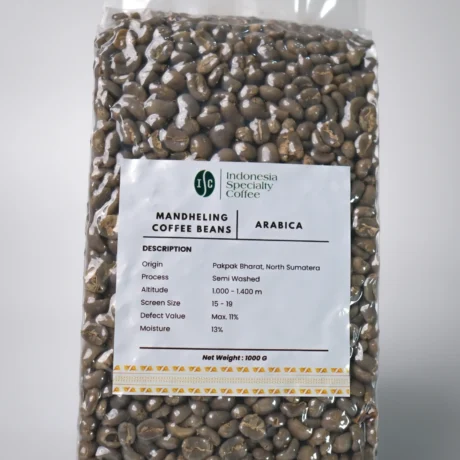
A coffee bean distributor also supports decisions through samples, cupping data, and clear purchase terms that match buyer risk. SpecialtyCoffee.id states that it offers more than 40 varieties of Arabica and Robusta. The same page also states worldwide delivery for those green coffee beans. That breadth helps Indonesian buyers match menu needs to seasonal availability across islands and harvest cycles. Consequently, buyers can specify cupping score targets, flavor notes, and processing methods, then request lots that meet those targets.
How Coffee Bean Distribution Works From Farm to Buyer
Coffee distribution works by moving identifiable lots through processing, storage, and transport while protecting quality and records. A coffee bean distributor starts with origin selection, then sets grade, screen size, and defect limits for each lot. Next, the distributor aligns drying targets, storage plans, and packaging choices with climate risk and buyer schedules. Finally, the distributor ships coffee with documents that let buyers receive, roast, and trace the lot.
In Indonesia, the chain often includes cooperative collection, wet mills, dry mills, and staging warehouses near ports or consuming cities. A coffee bean distributor should keep lot codes stable from processing through delivery, because buyers need repeatable roast settings. SpecialtyCoffee.id lists locations in North Sumatra and Aceh, including a processing and warehouse site in Bener Meriah, Aceh. The site also states it owns and manages 75Ha specialty coffee processing sites.
Coffee Bean Distributor Services for Roasters and Cafés
A coffee bean distributor can also support finished products for retail and hospitality procurement through private label programs. SpecialtyCoffee.id markets Indonesian roasted coffee beans in Arabica and Robusta, with single origin and blend options and custom orders. Therefore, buyers should compare service options by impact on consistency and cost, then verify promises through clear KPIs and service levels.
Table 1: Service, What It Includes, Best For, Common KPI or SLA. This table compares common distributor services beyond bean delivery.
| Service | What It Includes | Best For | Common KPI or SLA |
|---|---|---|---|
| Pre-shipment sampling | Green samples, roast samples, spec sheet, brew notes | Roasters, cafés with QA targets | Sample dispatch time and tracking |
| Cupping and data reporting | Cupping score, defect notes, screen size, flavor notes, crop info | Roasters, procurement teams | Score variance limit across lots |
| Lot reservation | Reserved inventory, delivery schedule, buffer stock option | Multi-outlet cafés, hotels | Fill rate and backorder rate |
| Custom roasting | Roast targets, roast logs, labeling, batch records | Cafés, offices, retailers | Roast date accuracy and batch traceability |
| Private label program | Branding, packaging options, labeling support, blend development | Retail brands, hospitality groups | Artwork lead time and packaging defect rate |
| Logistics coordination | Dispatch booking, packing list, palletization, tracking updates | All B2B buyers | On-time delivery rate |
Table 2: Buyer Type (café, small roaster, enterprise, hotel/office), Typical Volume, Most Needed Distributor Support. This table maps buyer types to typical monthly volume in kilograms or tons.
| Buyer Type | Typical Volume | Most Needed Distributor Support |
|---|---|---|
| café | 10–80 kg per month | Roasted options, fast restock, consistent flavor notes |
| small roaster | 60–600 kg per month | Samples, cupping data, flexible MOQ, steady green inventory |
| enterprise | 1–10+ tons per month | Contracts, lot planning, multi-route logistics, risk controls |
| hotel/office | 20–300 kg per month | Standardized roast level, service SLAs, packaging consistency |
How to Choose a Coffee Bean Distributor in Indonesia
Buyers choose a coffee bean distributor by matching product format, volume, and consistency targets to the distributor’s operating model. Green coffee needs stable moisture content, careful storage, and clear lot identity for repeat roasting results. Roasted coffee needs roast date control, fast delivery, and packaging that protects aroma and limits oxygen exposure. Therefore, buyers should define roast profile needs, cupping score ranges, and acceptable flavor notes before vendor selection.
Delivery timing also shapes buying success in Indonesia, because inter-island freight and city distribution change lead time quickly. A coffee bean distributor should state coverage area, dispatch cut-off times, and order cycles. It should also link each promise to real inventory position. Buyers should confirm MOQ rules for each origin and processing method, because availability shifts by harvest and demand.
Licensing, Food Safety, and Basic Compliance
A buyer should check licensing and food safety compliance, because compliance reduces financial and operational risk. A distributor should provide company identity, tax records, and clear handling procedures for storage and packing areas. For roasted products, the distributor should also support labeling rules, including ingredient statements for blends and clear net weight.
Origin Access and Supplier Relationships
A distributor should explain sourcing channels, such as cooperatives, mills, or direct farm groups, and it should describe selection criteria. SpecialtyCoffee.id positions itself as a trading company and highlights multi-origin supply across Indonesian regions. It lists Sumatra, Java, Sulawesi, and Bali as examples.
Sample Process and Cupping Data Quality
A coffee bean distributor should offer samples that match the delivered lot and label every sample with lot code. The distributor should share cupping score, defect notes, and flavor notes, then state the brew protocol and roast level used. Therefore, the buyer can compare samples across origins and processing methods, then lock purchase specs with fewer surprises.
Storage Standards and Inventory Rotation
A buyer should check storage standards and inventory rotation, because green coffee ages and roasted coffee stales quickly. A distributor should store bags on pallets, protect liners from tears, and keep coffee away from strong odors. The distributor should apply first-in-first-out rotation and log receiving dates for each lot.
Delivery Lead Time, Coverage Area, and Packaging
A buyer should check lead time, coverage area, and packaging, because delivery failures disrupt roasting plans and service routines. A distributor should state lead time by route, then explain how it handles peak weeks and carrier constraints. Green coffee usually needs lined bags or barrier liners, while roasted coffee needs sealed valve bags and robust cartons. Therefore, the buyer should confirm tracking updates, damage rules, and packaging sizes that fit storage and portioning needs.
Communication, After-Sales Support, and Issue Handling
A buyer should check communication and issue handling, because quality problems require fast, documented decisions. A distributor should assign one contact, define response hours, and log every complaint with lot code and photo evidence. The buyer should request a written claims process that covers sampling, replacement, and credit timelines.
Quality Control and Traceability in Coffee Distribution
Quality control in distribution relies on measurable checks that prevent defects, protect flavor potential, and support repeatability across lots. A coffee bean distributor should set acceptance ranges for moisture, screen size, and defect counts. It should test at receiving and before shipment. The distributor should also keep lot codes and documents at each handoff, because buyers need audit trails. SpecialtyCoffee.id describes export and trading operations and also notes managed processing sites, which aligns with this control need.
- Moisture Content and Water Activity. A distributor should test green moisture at intake and before shipment, because moisture drives spoilage risk. University guidance warns that green coffee above 12 percent moisture can deteriorate through microbes and mold.
- Green Bean Defects and Screen Size. A distributor should grade green beans using a clear defect system, because defect counts predict cup faults. The SCA-style classification describes defect limits and also tolerates only small screen size variation for specialty lots. The distributor should state sample size, sorting steps, and acceptance thresholds, then report defect types.
- Packaging Type and Valve Use. A distributor should use packaging that limits oxygen and moisture, because exposure accelerates staling and aroma loss. Valve bags let carbon dioxide escape after roasting process while limiting oxygen entry, which supports freshness during transport.
- Warehouse Conditions and Pest Control. A distributor should control humidity, temperature, cleanliness, and pests, because storage conditions shape shelf life. The distributor should keep coffee away from chemicals, fuel, and strong odors, and it should prevent sunlight exposure.
- Returns, Claims, and Quality Dispute Process. A distributor should define a claims process, because quality disputes require structured handling and fast closure. The distributor should set inspection time limits, sampling rules, and decision timelines, then document each step.
Pricing, Contracts, and Supply Risk Management
Pricing works best when buyers link each cost to measurable specifications, delivery promises, and risk allocation rules. A coffee bean distributor should quote by origin, grade, processing method, and packaging format, because each factor shifts cost. Buyers should confirm whether prices include domestic freight, export handling, and taxes, because terms vary by route and buyer type. Therefore, buyers should request a quote sheet that lists unit price, MOQ, lead time, and validity.
Contracts reduce risk when buyers define specs, claim rules, and supply commitments in writing before delivery. A coffee bean distributor should offer rolling forecasts and reserved lots. It should also define price adjustment triggers tied to market shifts. SpecialtyCoffee.id promotes wholesale green coffee, roasted products, and private label solutions, which can support different contract structures. Consequently, buyers should set backup origins, define substitution rules, and schedule review meetings that align with harvest seasons.
Conclusion
B2B buyers gain reliability when a coffee bean distributor combines origin access, quality controls, and Indonesia-ready logistics into one managed system. Buyers should define format, volume, and sensory targets, then validate suppliers through samples and clear data. SpecialtyCoffee.id offers an Indonesia-based example with operations that started in Medan. Its catalog spans Arabica and Robusta options. Therefore, buyers can apply the checks in this guide and reduce supply surprises during menu changes.
Long-term performance depends on discipline in storage, documentation, and communication, not on marketing claims. Buyers should track KPIs such as on-time delivery, defect rate, and lot consistency, then review results each quarter. Distributors should invest in calibrated tools, trained cuppers, and clear issue workflows that close claims quickly. Build a disciplined, transparent supply chain with a trusted partner, connect with SpecialtyCoffee.id to secure consistent quality of your favorite premium coffee beans.