In February 2026, many consumers are feeling a coffee price increase at cafes, grocery shelves, and online checkouts, even when headlines about futures prices seem volatile. Retail prices reflect a full cost stack: green beans, roasting, packaging, freight, wages, rent, and card fees.
This article separates wholesale benchmarks from real retail tags, so buyers can compare like-for-like and budget with fewer surprises. It is designed as a February 2026 brief for shoppers, cafe owners, and procurement teams. Use it to decide what to buy now, what to watch weekly, and what can wait.
February 2026 Reality Check for Buyers
A February 2026 coffee price increase is usually a “you notice it now” event because cafés and roasters adjust menus in batches, not day by day. Operators often hold prices steady for months, then make one clear move when costs accumulate across payroll, leases, and delivery apps. In the US, one specialty chain described a 7.5% menu hike tied to higher inputs such as milk, packaging, and insurance, which is typical of the pressure cafes are reporting.
A second reason a coffee price increase feels widespread is that many roasters locked in inventory when 2025 benchmark prices were higher, then carried those costs through production. That lag is widely discussed in industry analysis: retail moves after commodity spikes, not instantly with daily charts.
Even if raw benchmarks ease, finished coffee can stay elevated until lower-cost green coffee arrives and is roasted, packed, and shipped through the system. Some brands also adjust pack sizes or bundle counts, which changes unit cost without changing the sticker.
What Commodity Markets Are Signaling in Early February 2026
To understand whether a coffee price increase might continue, start with the arabica benchmark and then check how far retail is “behind.” One benchmark tracker shows coffee around 309.85 US cents per pound on February 4, 2026, and down notably over the prior month; another market report described arabica at multi-month lows during the first week of February. These declines can reduce forward costs, but they do not automatically cut today’s cafe menu. If you buy at scale, track certified stocks and origin differentials, because they influence physical availability.
Arabica Drivers to Watch This Month
Even with benchmark easing, a coffee price increase can persist if traders and roasters still price in weather risk, currency shifts, or quality constraints. Market commentary in early February points to improved rainfall in Brazil easing dryness concerns, which has pressured futures.
That matters because Brazil is central to arabica supply expectations, so weather headlines can swing prices quickly while retail remains sticky. When supply improves, the first benefit often shows up as calmer purchasing terms rather than instant retail markdowns.
Robusta and Local Farmgate Prices
Robusta-linked costs can still support a coffee price increase in blends and instant products, because robusta markets follow different supply chains and timing. In Vietnam, domestic coffee prices in early February 2026 were reported to rise slightly by a few hundred VND/kg while staying above 100,000 VND/kg, even as world prices corrected.
For buyers, this is a reminder that local availability, logistics, and exporter pricing can diverge from futures charts. If your product relies on robusta, track origin-specific indicators, not only global headlines.
Why Cafes Raise Prices Even When Futures Dip
One practical explanation for a February 2026 coffee price increase is that beans are only part of the drink cost. Milk, cups, syrups, utilities, and labor often outweigh the coffee dose in a latte, so a rise in any of those inputs can trigger a menu change. In addition, many cafes are absorbing repeated increases until margins break, then adjusting once to avoid constant reprinting and customer confusion. The “best” move is often a small, well-timed change rather than repeated micro-edits.
A second explanation for a coffee price increase is risk management and quality protection. Some operators keep paying for better lots and maintain long-term sourcing agreements so they do not compromise cup quality when green coffee becomes expensive.
Reuters reporting has also noted that consumers can face higher prices even when upstream conditions shift, because contracts, inventories, and supermarket negotiations adjust slowly. For buyers, this means you may see stable-to-higher retail tags during February while wholesale pricing searches for a clearer direction.
Global Online Prices You Can Actually Compare
If you want to track a coffee price increase in a way that is useful, compare the same pack size across regions and then calculate price per gram. The table below lists examples from major retail websites in different countries, captured in early February 2026. Treat them as snapshots: taxes, shipping, and promotions can change the final checkout price by location. When comparing across currencies, convert using the exchange rate on the day you place an order.
Examples below include widely distributed brands like Lavazza and Costa Coffee.
| Region | Shop / Website | Example Product | Pack Size | Listed Price (Early Feb 2026) | Source |
|---|---|---|---|---|---|
| US | Blue Bottle Coffee | Hayes Valley Espresso (whole bean) | 12 oz | $14 | (bluebottlecoffee.com) |
| US | Intelligentsia Coffee | House Blend (whole bean) | 12 oz | $17.50 | (Intelligentsia Coffee) |
| US | FreshDirect | Stumptown Hair Bender (whole bean) | 12 oz | $19.49 | (FreshDirect) |
| US | Peet’s Coffee | Major Dickason’s (whole bean) | 16 oz | $21.95 / lb | (peets.com) |
| Indonesia | Nespresso | Assortments Pack | 100 capsules | IDR 1,270,000 | (nespresso.co.id) |
| Netherlands | Koffiezone | Lavazza Espresso Italiano (beans) | 1 kg | €21.99 | (koffiezone.nl) |
| UK | Kaffek | Lavazza Qualità Oro (beans) | 1 kg | £19.99 | (kaffek.co.uk) |
| UK | Sainsbury’s | Costa Intense Amazonian Blend (beans) | 1 kg | £18.50 | (sainsburys.co.uk) |
When interpreting a coffee price increase from retail lists, normalize the serving math. A 12 oz bag is about 340 g, and a common recipe uses 15–18 g per cup, so a $2 move on a bag can be only a few cents per brew. Capsules can look cheaper per box but higher per gram, so compare cost per dose, not just the shelf ticket. For cafes, the larger swings often come from milk and staffing, which is why many menu hikes target milk drinks first.
SpecialtyCoffee.id Pricelist for Your Consideration
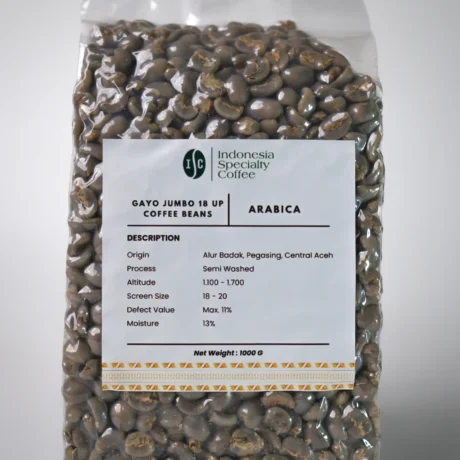
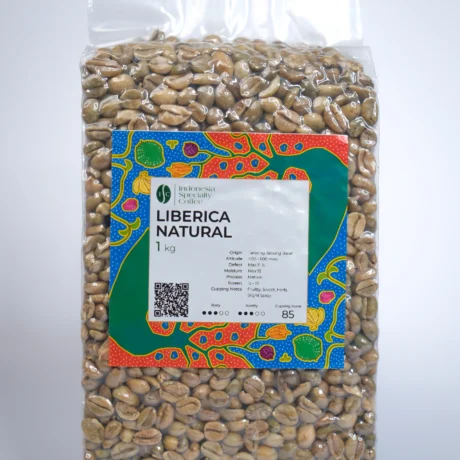
In addition to global retail snapshots, SpecialtyCoffee.id publishes a public pricelist for Indonesian green coffee beans. It includes single-origin Arabica and Robusta listings (with some items shown as ranges), plus bulk FOB pricing presented as price per ton for procurement use:
1) Indonesia Arabica Single Origin (Green Coffee Beans) — Pricelist
| Product | Listed Price (USD) | Type |
|---|---|---|
| Abyssinia Green Coffee Beans | $40 – $45 | Range |
| Aged Green Coffee Beans | $23,41 | Single |
| Arabica Aceh Gayo Green Coffee Beans | $19,18 – $24,71 | Range |
| Arabica Bali Kintamani Green Coffee Beans | $21,19 – $26,19 | Range |
| Arabica Java Ijen Green Coffee Beans | $19,71 | Single |
| Bali Natural Green Coffee Beans | $32,42 | Single |
| Bali Wine Green Coffee Beans | $32,42 | Single |
| Blue Batak Green Beans Coffee | $38,57 | Single |
| Excelsa Green Coffee Beans | $13 | Single |
| Flores Green Coffee Beans | $19,71 | Single |
| Gayo Honey Green Coffee Beans | $32,74 | Single |
| Gayo Natural Green Beans Coffee | $33,06 | Single |
| Gayo Wine Green Coffee Beans | $32,42 | Single |
| Golden Mandheling Green Coffee Beans | $38,57 | Single |
| Java Natural Green Coffee Beans | $32,42 | Single |
| Java Preanger Green Coffee Beans | $19,71 | Single |
| Java Wine Green Coffee Beans | $32,42 | Single |
| Kopi Luwak Green Coffee Beans | $50 | Single |
| Lasuna Special Green Coffee Beans | $39,94 | Single |
| Mandheling Wine Green Coffee Beans | $32,42 | Single |
| Musty Cup Green Coffee Beans | $16,85 | Single |
| Past Crop Green Coffee Beans | $16,85 | Single |
| Sulawesi Kalosi Green Coffee Beans | $18,97 – $19,71 | Range |
| Sulawesi Toraja Green Coffee Beans | $18,97 – $19,71 | Range |
| Sumatra Arabica Organic Grade 2 Green Coffee Beans | $19,39 | Single |
| Sumatra Lintong Green Coffee Beans | $19,71 | Single |
| Sumatra Mandheling Green Coffee Beans | $17,69 – $21,40 | Range |
| Sumatra Super Peaberry Green Coffee Beans | $33,06 – $38,06 | Range |
| Sumatra Tiger Grade 3 Special Green Coffee Beans | $13,14 | Single |
2) Indonesia Robusta Single Origin (Green Coffee Beans) — Pricelist
| Product | Listed price (USD) | Type |
|---|---|---|
| Bali Kintamani Robusta ELB 350BC Green Coffee Beans | $13,77 | Single |
| Robusta Lampung Green Coffee Beans | $11,23 – $12,08 | Range |
| Robusta Sidikalang Green Coffee Beans | $11,23 – $11,65 | Range |
| Sumatra Robusta Green Coffee Beans | $11,23 – $12,29 | Range |
Want the newest price updates? Check the full SpecialtyCoffee.id pricelist here: Our Pricelist.
What Buyers and Cafes Can Do in February 2026
For home drinkers, the most reliable way to reduce the impact of a coffee price increase is to optimize what you control: pack size, grind freshness, and shipping. Buying whole bean and grinding at home typically improves flavor per dollar, and larger bags often reduce unit cost if you can store them well. Freezing coffee in small airtight portions can also reduce waste when you buy bigger packs, especially in humid climates.
Also check subscriptions only when the discount is real after shipping and minimum-order rules. Finally, compare roast date and freshness claims, because older inventory can look cheap but taste flat. For businesses, managing a coffee price increase is mostly operational. Helpful actions include:
- Track dose, yield, and waste daily, not just weekly.
- Reprice the menu based on gross margin per drink, not bean cost alone.
- Renegotiate non-coffee inputs like milk, cups, and pastries.
- Use seasonal items to justify price changes without frequent resets.
- Communicate clearly: explain what changed, and why quality is protected.
Outlook for The Rest of February 2026
A realistic February 2026 coffee price increase outlook is “retail stays firm while wholesale searches for direction.” Benchmarks have been pressured by an improving supply outlook and better rainfall in Brazil, which can ease forward costs if weather remains favorable.
However, industry analysis warns that the ripple effects of 2025’s record highs can last, because contracts and inventories take time to roll over. Watch for updates on certified stocks, crop estimates, and origin differentials to gauge whether physical availability is loosening. To stay ahead of a coffee price increase, buyers should watch three signals together.
Benchmark direction, local currency and freight costs, and visible retail behavior such as chain-wide menu adjustments. If you see repeated price moves from operators in your city, it often reflects labor, rent, and input inflation more than a single day’s futures change. In that case, value comes from quality, consistency, and smarter purchasing rather than chasing short-term dips. Over time, stable supply and competitive retailing matter more than one volatile week.
Conclusion
February 2026 coffee prices feel higher because retail costs reflect pressures. Wholesale benchmarks fluctuate, but cafés adjust menus slowly after wages rise. Inventory lags mean yesterday’s expensive beans still shape today’s shelf prices. Pack sizes, subscriptions, and fees quietly change value without sticker shocks. Comparing price per gram helps buyers budget smarter during volatile months.
Buying quality coffee now prioritizes consistency, freshness, and sourcing despite inflation. SpecialtyCoffee.id offers transparently priced beans roasted fresh for value per cup. Choose reliable origins, roast dates, and flexible packs matching brewing needs. Ordering online simplifies comparisons, locks savings, and avoids surprise markups later. Visit SpecialtyCoffee.id today and secure exceptional coffee before further price adjustments.