In specialty circles, indonesian java coffee is valued for its steady balance: a cocoa-leaning sweetness, soft acidity, and a clean finish that rarely turns sharp. Roasters like it because it behaves predictably across profiles, while drinkers enjoy how it stays approachable, even when brewed strong or served black. It is equally welcome in milk drinks.
Behind that consistency are layered stories of estates, co-ops, and smallholder lots that move from volcanic slopes to export docks. Buyers often see names like Ijen or Preanger, but the real difference comes from elevation, processing choices, and careful drying. Those factors explain why indonesian java coffee can taste refined, not rustic, year after year.
Why Indonesian Java Coffee Remains a Global Staple
Trade history gave Java an outsized name. Historical accounts commonly trace cultivation back to Dutch colonial planting in the late seventeenth century, followed by estate systems and export routes through Batavia ports. Today, that legacy meets modern quality control, so the cup can feel classic yet current for cafes and home brewers in every market.
Cupping descriptions tend to repeat a few themes: mild sweetness, chocolate tones, and gentle acidity that stays smooth when cooled. Many lots show a comforting body rather than a bright, citrus snap. That is why indonesian java coffee often becomes a “house” single origin for espresso bars that want stability and reliable performance across seasons.
Terroir Factors Behind Consistent Cup Quality
Terroir on Java is not one thing. Traders typically group lots by West, Central, or East Java, then narrow down to micro-origins such as estates, villages, or plateaus. Elevation shifts density and roast response, while volcanic soils support sweetness and structure. Region labels help buyers set expectations quickly before they request samples and farm details.
On the same island, cup notes can swing from tea-like and floral to nutty and caramel, largely because mills adjust processing to local water access and humidity. Washed lots read cleaner; semi-washed styles add body; honey methods push sweetness. With those variables, indonesian java coffee rewards buyers who ask about process first and drying time.
Processing Choices for Java Coffee
Processing is the fastest way to change what ends up in the cup. Washed coffee tends to show clearer sweetness and tighter acidity, while semi-washed hybrids often amplify body and spice. Wet-hulled styles can read heavier and earthier under humid conditions. For consistent results, buyers look for documented fermentation times and stable moisture targets too.
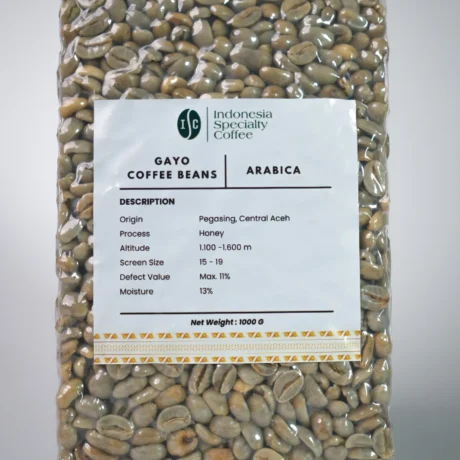
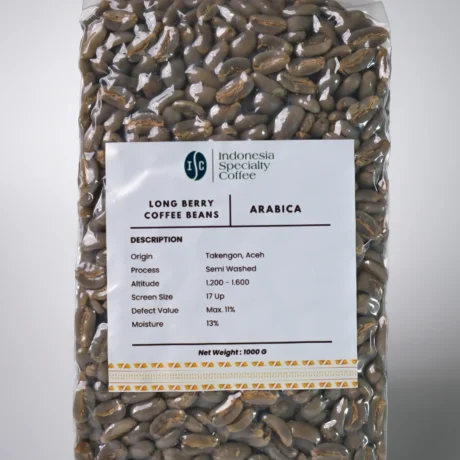
Serious buyers treat a beautiful story as incomplete without specs. Export documentation, moisture range, screen size, and defect tolerance help roasters predict how beans will respond. Reputable sellers also share certificates, handling notes, and lot references, making it easier to verify identity and avoid counterfeits. Transparency protects both margins and customer trust at serving time.
| Style | Cup cue | Best for |
|---|---|---|
| Washed | clean sweetness | filter |
| Semi-washed | spice, body | milk drinks |
| Honey | caramel, round | espresso |
| Natural | fruit-forward sweetness | cold brew, iced menus |
Home Brewing Tips for Indonesian Java Coffee
Brewing rewards restraint. A balanced recipe highlights sweetness first, then lets subtle spice show in the finish. Baristas typically start with water, a consistent grind, and a ratio that avoids over-extraction. For most profiles, 92–94°C water and a medium grind keep bitterness low while preserving body and aroma. Adjust only one variable at a time.
- For pour-over, many brewers use 15 grams to 250 grams of water, aiming for a 2:45 to 3:15 drawdown. A 30-second bloom helps degas freshly roasted beans, then steady pulses keep the bed level. When indonesian java coffee tastes flat, a slightly finer grind usually restores sweetness and texture without forcing the finish into bitterness.
- For espresso, dose and yield should match the bean’s processing. Washed lots often shine as 1:2 shots with clean sweetness, while honey or semi-washed coffees can handle slightly longer ratios for more caramel depth. A 25–32 second window is a useful start, but baristas prioritize taste over numbers, then lock settings for service during rush.
Indonesia’s own brewing traditions offer another lens. Kopi tubruk, common in Javanese homes, uses coarse grounds boiled with sugar, then served unfiltered so sediment settles naturally. The result is thicker, sweeter, and more rustic than pour-over. When used with lighter roasts, it can still reveal cocoa and spice under the sweetness for a comforting nightcap.
| Method | Dose | Water | Time |
|---|---|---|---|
| Pour-over | 15 g | 250 g | 2:45–3:15 |
| Espresso | 18 g | 36–45 g out | 25–32 s |
| Kopi tubruk | 12 g | 200 g | 3:00 settle |
Buying the Best Java Coffee Responsibly
A purchase begins with clarity about use. Cafes seeking versatility often choose a medium roast, while filter-focused brewers may prefer lighter profiles from higher sites. Shoppers should look for roast dates, storage advice, and origin details beyond a generic “Java” label. When a seller can name region, process, and lot, the cup usually follows suit.
Freshness management matters as much as bean choice. Whole beans kept in airtight containers, away from heat and sunlight, hold aroma far longer than pre-ground coffee. For daily use, many professionals plan a two-week window after roasting for peak sweetness. Handled well, indonesian java coffee keeps its chocolate notes vivid without tasting papery or dull.
Responsible sourcing is part of quality. Importers and consumers increasingly ask how farmers were paid, whether shade trees were protected, and how traceability was recorded. Simple checks origin disclosure, batch context, moisture specs, and credible certificates reduce risk. When those details are missing, indonesian java coffee becomes a gamble instead of a premium experience for any buyer.
Conclusion
When drinkers describe indonesian java coffee as “easy,” they rarely mean boring. They mean the cup gives chocolate comfort, a calm acidity, and enough spice to stay interesting. That steadiness comes from terroir, disciplined processing, and careful roasting, not marketing. With brew technique and fresh storage, it can anchor daily rituals and still impress guests.
For retailers, the bean offers a value proposition: reliable flavor with enough heritage to tell a story. For home brewers, it offers forgiveness while responding to precise dialing-in. The best results come from buying whole beans, tracking recipe changes, and tasting across temperatures. Over time, the drinker learns which profiles fit their palate and routines.