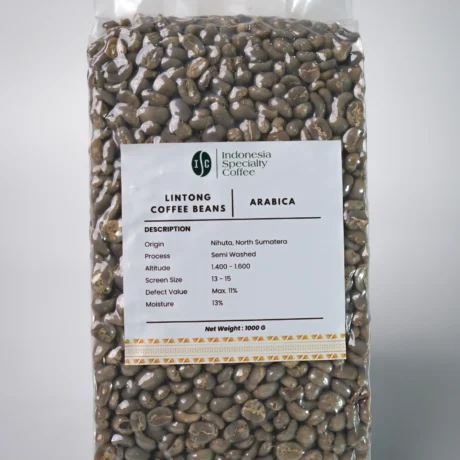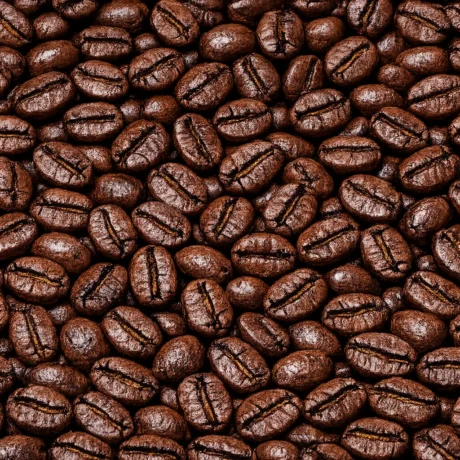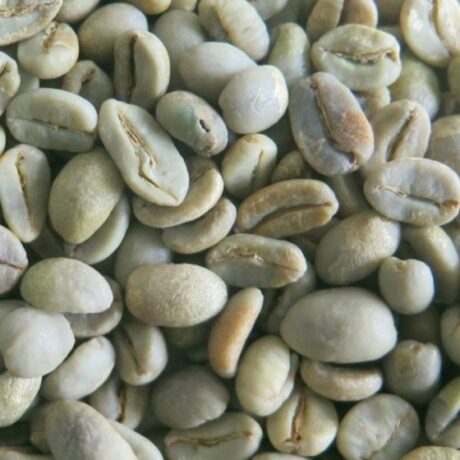
Indonesian Java coffee refers to coffee produced on Java Island within Indonesia and traded under the Java origin name. It is valued for balanced sweetness, moderate acidity, and reliable body that suit espresso and filter brewing. Buyers often select it for consistency, traceability options, and compatibility with multiple roast profiles across commercial supply chains worldwide.
From a buying perspective, Indonesian Java coffee represents a stable sourcing choice for cafés, roasters, and home brewers seeking predictable flavor and extraction. Origin details, processing methods, and roast level strongly influence results, so informed purchasing decisions rely on clear labeling, recent roast dates, and verified handling practices throughout storage, transport, and final brewing stages.
What Is Indonesian Java Coffee?
Indonesian Java coffee means Java Island coffee that producers sell as Java origin. The term often covers Arabica from highland areas and Robusta from lower elevations. Buyers should treat it as a regional label, not a single farm. Accordingly, buyers should verify altitude, variety, and processing details before purchase. These details predict taste and extraction behavior.
In trade listings, Java-origin coffee usually appears as single origin or blend component. Roasters often buy it for structure, sweetness, and balanced acidity. Cafés often use it for espresso shots with cocoa notes. Home brewers often use it for pour-over with gentle fruit. Accordingly, buyers should request a recent cupping sheet and a roast date. Buyers should also confirm minimum order size and shipping lead time.
Where Indonesian Java Coffee Comes From and Why Origin Matters
Indonesian Java coffee comes from Java Island in Indonesia across several zones. Buyers should expect estates, cooperatives, and collector-based flows. These channels affect traceability, lot size, and consistency. Accordingly, origin matters because it changes flavor, defect risk, and contract terms. Buyers should ask for district, elevation range, and harvest window. Exporters often group lots by grade and screen size.
In addition, Indonesian coffee regions outside Java often shape market expectations. Buyers sometimes compare Java lots with Sumatra, Sulawesi, and Bali offerings. Java lots often show cleaner cups with lower earthy notes. However, each exporter and mill can shift the result. Thus, buyers should run sample roasts and compare cupping scores before bulk orders. Buyers should compare landed costs, not only green prices.
Indonesian Java Coffee Flavor Profile and Cupping Notes
Indonesian Java coffee often delivers cocoa, caramel, mild spice, and gentle citrus in Arabica lots. Buyers often note medium acidity, rounded body, and clean aroma. Some lots show tea-like florals at lighter roasts. Other lots show nutty sweetness at medium roasts. Accordingly, cupping notes help buyers set menu language and blend targets. Buyers should expect lower acidity than highland African lots.
For consistent evaluation, buyers should use a repeatable cupping protocol and recording method. Buyers should log fragrance, aroma, acidity, body, sweetness, and aftertaste. In addition, buyers should record defects, roast color, and brew water quality. Thus, buyers should compare notes across two roast levels and two grind settings. This practice improves purchase confidence and reduces returns. Buyers should store cupping samples in sealed bags between sessions.
Processing Methods Used in Java and How They Change Taste
Indonesian Java coffee producers use washed, natural, wet-hulled, and honey processing, depending on infrastructure. Each method changes clarity, sweetness, and perceived body. The table below compares common processing methods and expected taste outcomes for buying decisions. Buyers should confirm processing at the mill level, not only exporter claims.
Table: Processing Methods vs Taste Outcomes
| Processing method | Typical taste outcome | Risk to manage | Best fit |
|---|---|---|---|
| Washed | Clean sweetness, clear acidity | Thin body if underdeveloped roast | Pour-over, café batch brew |
| Natural | Riper fruit, heavier aroma | Ferment defects, uneven drying | Cold brew, fruity filters |
| Wet-hulled | Earthy spice, thicker body | Dull acidity, higher variability | Espresso blends, milk drinks |
| Honey | Syrupy sweetness, soft acidity | Sticky drying, inconsistency | Sweet filters, modern espresso |
Roast Level Guide for Indonesian Java Coffee
Roast level changes sweetness, acidity, and body for Java lots more than origin alone. Accordingly, buyers should choose roast level based on brew method and customer preference. The table below summarizes expected flavor shifts across roast levels for decision support. Roasters should validate these notes through sample roasts and cupping. Roasters should record color readings and development time for each sample.
Table: Java Coffee Flavor Profile by Roast Level
| Roast level | Flavor focus | Acidity | Body | Best use |
|---|---|---|---|---|
| Light | citrus, tea, florals | higher | medium | pour-over, AeroPress |
| Medium | cocoa, caramel, nuts | medium | medium-high | espresso, batch brew |
| Dark | smoke, bittersweet chocolate | lower | high | milk drinks, moka pot |
Best Brewing Methods for Indonesian Java Coffee
Brew method changes extraction speed, contact time, and filtration, which alters flavor balance. Pour-over emphasizes clarity and acidity through paper filtration. Immersion brewing increases body and sweetness through longer contact. Pressure brewing intensifies aroma and crema through fine grind and high extraction. Accordingly, Indonesian Java coffee responds strongly to method choice and recipe control.
In addition, brew method changes which defects appear and which strengths stand out. Higher extraction can reveal bitterness from dark roasts. Lower extraction can hide sweetness in lighter roasts. Thus, brewers should adjust grind size, ratio, and temperature together. Next, brewers should taste, measure, and repeat under consistent conditions. Brewers should use a scale and timer for every brew.
Table: Brewing Method Settings Guide
| Method | Grind size | Brew ratio | Water temperature | Time |
|---|---|---|---|---|
| Pour-over | medium | 1:16 | 92–96°C | 2:45–3:30 |
| French press | coarse | 1:15 | 90–94°C | 4:00–5:00 |
| Espresso | fine | 1:2 | 90–94°C | 25–32 sec |
| AeroPress | medium-fine | 1:12 | 85–95°C | 1:30–2:30 |
| Moka pot | medium | 1:10 | off-boil fill | 3:00–5:00 |
| Cold brew | very coarse | 1:8 | room or cold | 12–18 hr |
How to Buy Indonesian Java Coffee for Quality and Freshness
Origin detail and traceability reduce risk during purchasing and menu planning. Buyers can predict flavor better when sellers disclose farm zone, altitude, and processing. Buyers can negotiate better when contracts include moisture, defect limits, and screen size. Accordingly, Indonesian Java coffee sourcing benefits from clear documents and sample approval steps. Buyers should require sample approval before any bulk payment.
In addition, traceability supports repeat orders and complaint resolution. Cafés often need the same cup profile across several months. Roasters often need stable green metrics for consistent roast curves. Accordingly, buyers should request lot codes, exporter names, and crop-year details. Next, buyers should compare shipping methods and storage conditions. This information supports audits, menu claims, and inventory planning.
Choosing beans by roast date
Roast date predicts freshness and degassing behavior better than any marketing claim. Buyers should target a roast date within two weeks for filter brewing. Espresso often improves after several days of rest, depending on roast level. Accordingly, Indonesian Java coffee buyers should match delivery timing to service volume. Buyers should ask for roasting schedule, packaging valve type, and shipping speed.
Understanding origin labeling
Origin labels vary from broad to specific, and buyers should decode them carefully. “Java” alone often signals a wider sourcing area and larger lots. Estate names and district labels often signal stronger traceability and tighter selection. Accordingly, Indonesian Java coffee buyers should request district, elevation range, and processing confirmation. Buyers should also verify exporter records and lot codes for consistency.
Selecting grind type for brewing
Grind choice affects extraction and workflow as much as brew method selection. Cafés need consistent grind across service shifts and grinder wear. Home brewers need a grind that matches device geometry and filter type. Accordingly, buyers should choose whole bean unless equipment limits exist. Buyers should also confirm grinder capability and burr condition before locking a recipe.
Picking whole bean vs pre-ground
Whole bean preserves aroma longer because it limits surface area exposure. Pre-ground simplifies workflow but speeds staling and aroma loss. Cafés can manage pre-ground only with high turnover and tight storage. Accordingly, Java coffee buyers should prefer whole bean for quality. Buyers should choose pre-ground only when portability and speed matter more.
Comparing single origin vs blends
Single origin lots show clearer origin character and support menu storytelling. Blends support consistent flavor, cost control, and espresso balance. Cafés often use blends for milk drinks and use single origin for featured brews. Accordingly, Java coffee can work as a single origin filter or blend base. Buyers should request blend goals, component ratios, and repeatability plans.
Storage, Shelf Life, and How to Keep Flavor Stable
Storage controls oxygen, heat, and moisture exposure, which drive staling and flavor loss. Buyers should store roasted beans in sealed, valve bags or airtight containers. Buyers should keep containers away from sunlight and kitchen heat sources. Accordingly, Indonesian Java coffee stays stable longer with cool, dry storage. Buyers should avoid freezing unless they use proper sealing and portioning.
- Keep bags sealed between uses and purge air when possible.
- Store at stable room temperature and avoid humid cabinets.
- Grind only what brewers need for each service window.
- Replace beans when flavor dulls or bitterness rises.
Conclusion
Indonesian Java coffee offers balanced sweetness, moderate acidity, and dependable body for BoFu needs. Buyers can control results by matching processing, roast level, and brewing method. Cafés can use it for espresso structure and repeatable filters. Home brewers can use it across several devices with minor adjustments. Accordingly, buyers should prioritize documentation, samples, and consistent storage. Buyers should confirm vendor support before scaling orders.
For final selection, Java coffee buyers should run a simple decision sequence. First, buyers should set a target flavor profile and brew method. Next, buyers should shortlist vendors with roast dates and origin details. Then, buyers should cup samples and confirm repeatability terms. Finally, buyers should place orders that match service volume and freshness goals. Buyers should review results after one month and adjust sourcing.