Tracking the real kopi luwak price India shoppers see in 2026 can be surprisingly tricky. Listings range from budget sachets to luxury tins, and pack sizes are rarely comparable. A better view comes from normalizing prices per gram and checking origin claims. This article compiles current listings and explains what moves the number most today.
It also helps to treat “kopi luwak” as a category, not a single product. Some sellers mean India-sourced civet coffee, others mean imported Indonesian brands, and some use the name for flavored instant mixes. Comparing those like-for-like avoids disappointment. With that context, buyers can judge whether a price reflects rarity, logistics, or hype alone, too.
Kopi Luwak Price India 2026: What the Market Looks Like Now
In early 2026, listings split between domestic civet coffee and imported Kopi Luwak brands. The tables below capture displayed prices from mid-January 2026, and they should be treated as a snapshot, not a promise.
Table 1. Retail Price Snapshots for India (January 2026)
Here are clear price tables for Kopi Luwak price India (2026) drawn only from the official FNB Coffee, FnB Tech, specialtycoffee.id, and KopiLuwak.coffee sources, including wholesale/catalog pricing useful for benchmarking kopi luwak price India. All figures are per 1 kg unless otherwise noted:
FNB Coffee & FNB Tech (Wholesale / Export Price Ranges)
| Source | Product Type | Price (USD per kg) | Notes |
|---|---|---|---|
| FNB Coffee (wholesale) | Green Beans | $50 / kg | Base export price range for raw civet beans |
| FNB Coffee (wholesale) | Roasted Beans | $92 – $94 / kg | Higher for roasted/powder forms |
| FnB Tech (export) | Kopi Luwak Coffee (general) | $76 – $78 / kg | Price range across Luwak variants shown in product tags |
Key takeaway: Indonesia export prices cluster in a band roughly $50–$94/kg depending on format and roast.
SpecialtyCoffee.id (Indonesian Source Pricing)
| Format | Price (USD per kg) | Notes |
|---|---|---|
| Green Kopi Luwak Beans | $50 / kg | Certified wild civet ; basic wholesale benchmark |
| Roasted Kopi Luwak Beans | $77.40 – $79.40 / kg | Second-tier convenience for roasted orders |
| Ground/Powder Kopi Luwak | $79.40 / kg | Powder / ground variant retail form |
Note: specialtycoffee.id shows three clear format prices that reflect increasing processing and convenience levels.
KopiLuwak.Coffee (Retail / Wholesale Starting Points)
| Origin Variant | Price (USD per kg) | Notes |
|---|---|---|
| Aceh Gayo Wild Kopi Luwak | From ~$49 / kg | Base premium starting price |
Table 2. Normalized Comparison (approx. INR per kg)
| Product (as listed) | Pack used for math | Approx. INR / kg | What the number really means |
|---|---|---|---|
| White Kopi Luwak (instant sachets) | 200 g | 1,995 | Instant drink mix pricing, not pure civet coffee |
| Kopi Luwak Coffee Powder | 100 g | 5,990 | Entry-level retail for kopi luwak price India searches |
| Coorg Luwak Coffee Raw Beans | 150 g | 9,967 | Premium domestic tier for small packs |
| Indian Kopi Luwak | 1 kg | 10,500 | A clean, apples-to-apples domestic benchmark |
| 100% Kopi Luwak (import) | 100 g | 38,220 | Imported listing before shipping/duty |
| Bali King Wild Kopi Luwak (import) | 100 g | 96,440 | Imported listing before shipping/duty |
| Kopi Luwak Direct Wild (import) | 75 g | 131,173 | Premium import pricing; often includes heavy markup |
Per-kg figures are math on listed pack prices; delivered totals can rise when shipping, customs, and taxes are added.
Read Also: How Much is Luwak Coffee Cost? A Complete Buyer’s Price Guide
Why the Price Swings Often
The reason kopi luwak price India varies is that “kopi luwak” is not one consistent supply chain. Some products are domestically collected civet coffee marketed like other Indian specialty lots. Others are imported, gift-positioned brands where packaging and cross-border logistics dominate the cost.
Supply, Labor, and Authenticity
Civet coffee is limited by nature: beans must be collected, washed, dried, and sorted carefully. Premium buyers also pay for traceability, where the cherries grew, who processed them, and whether the civets were wild or kept in cages.
Export Catalog Pricing vs Indian Retail
Exporter catalogs can look “cheap” compared with Indian retail because they assume bulk orders. Kopi luwak price India context matters, as FNB Coffee publishes benchmark wholesale prices of USD $50/kg for green beans, USD $92.40/kg for roasted, and USD $94.40/kg for powder, with a stated minimum order of 100 kg.
FNB Tech’s price list shows related wholesale-style numbers, such as roasted 1 kg at $77.40 and ground 1 kg at $79.40, plus bulk green-bean bag pricing.
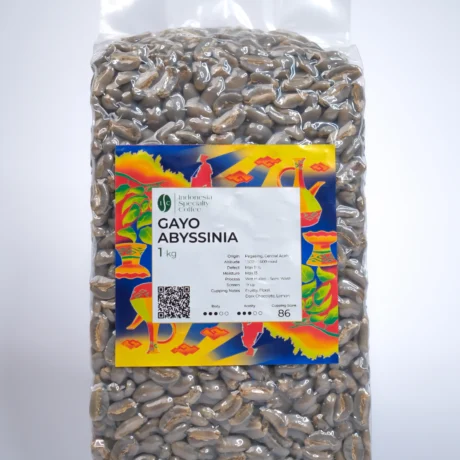
Indonesia Specialty Coffee publishes similar catalog guidance, stating green luwak beans starting at USD $50/kg and listing Kopi Luwak Green Coffee Beans at $50 on its pricelist page.
For an Indian consumer, those exporter numbers are just the starting line. Freight, insurance, customs duty, GST, platform margins, and repacking into small consumer sizes can multiply the landed cost, one reason imported 100 g packs can look extreme in any kopi luwak price India comparison.
Read Also: Civet Coffee Processing and the Natural Craft Behind the World’s Most Exclusive Brew
How to Buy Smarter in India
A higher price does not automatically mean better coffee. For anyone shopping by the phrase kopi luwak price India, the most useful checks are practical and evidence-based.
1) Confirm “Wild vs Farmed” and Ask for Details
Many coffee drinkers prefer wild-sourced civet coffee because of animal welfare concerns. SpecialtyCoffee.id’s overview highlights ethical handling and producer practices as part of responsible kopi luwak positioning.
2) Compare Format, Freshness, and Brew Reality
Powder, ground coffee, roasted beans, and green beans are different products with different shelf lives. Kopi luwak price India comparisons should consider that fresh roast dates, airtight packaging, and proper storage matter more than a fancy label. Small packs (50–100 g) will always look outrageous on a per-kg basis, so comparing how many cups the pack will brew gives a more realistic value check.
One easy way to judge value is to estimate cups per pack. A 100 g bag might brew 6–10 cups depending on dose and method. Dividing the price by expected cups turns “expensive” into a clearer per-cup cost, making comparisons faster, especially when pack sizes differ widely.
3) Be Cautious with Civet Claims
If a listing is dramatically below the domestic premium band, it may be an instant mix, a blend, or simply mislabeled. Asking for origin, percentage, processing method, and any certification is a better filter than trusting a big discount.
Conclusion
Across India, the practical takeaway is simple: the “kopi luwak price India” headline matters less than the proof behind it. Transparent sellers explain sourcing, processing, and freshness, and their prices cluster in a realistic premium band. Imported packs may cost far more once shipping and duties are added, even before brewing, so planning budgets helps.
Anyone buying this coffee in 2026 should compare per-kilogram costs, confirm whether it is beans, ground, or instant, and ask about ethical handling of civets. When the story, paperwork, and taste expectations align, the purchase feels justified. When details are missing, it is smarter to walk away and choose another specialty lot for true peace.
Choose clarity over hype. At SpecialtyCoffee.id, every coffee comes with transparent pricing, clear product formats, and documented sourcing standards you can trust. If the story, ethics, and flavor all matter to you, explore curated specialty lots that deliver confidence, not question marks, in every cup.