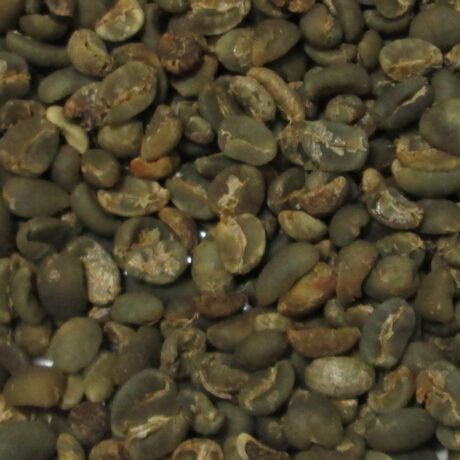
Lampung robusta coffee comes from Lampung Province in southern Sumatra, Indonesia. Farmers cultivate robusta trees there for export and local use. The region supports high yields through steady heat and rainfall. As a result, Lampung robusta beans often anchor blends that need strength. This article explains origin, processing, flavor, roasting, brewing, and buying decisions.
Coffee buyers evaluate origin to predict flavor and performance. For that reason, this guide uses clear terms and simple comparisons. It explains how altitude, climate, and processing shape cup results. It also explains how roasters and brewers manage bitterness and aroma. In addition, Lampung robusta coffee appears in supply chains with grading rules.
What Is Lampung Robusta Coffee?
Lampung robusta coffee refers to robusta beans that exporters source in Lampung Province. Exporters use the name as an origin label, not a cultivar name. Farmers grow Coffea canephora, and traders call it robusta, across the province. So, Lampung robusta coffee describes a regional robusta profile and trade identity. Buyers often choose it for structure and caffeine.
This origin matters because robusta behaves differently than arabica. Robusta trees resist heat and pests more effectively. They also deliver higher caffeine and heavier body. In turn, roasters use this origin to increase crema and intensity. Traders also value predictable lots for blending and soluble production. Roasters also use robusta to stabilize crema in milk drinks.
Where Is Lampung Robusta Coffee Grown?
Farmers grow Lampung robusta coffee across southern Sumatra, mainly in Lampung Province. They plant trees in upland districts and foothill zones. Typical farms sit at modest elevations, often several hundred meters. As such, these robusta beans develop with warm days and humid nights. Local roads connect farms to mills and ports.
Climate drives harvest timing and bean density. Lampung receives tropical rainfall with distinct wet and drier periods. Consequently, farmers plan flowering, pruning, and harvest around rain patterns. They also manage shade to reduce heat stress. Consequently, Lampung robusta coffee supply stays steady across most years. Farmers also use drying patios and raised beds when possible.
How Is Lampung Robusta Coffee Processed
Producers process Lampung robusta coffee using methods that fit local weather and infrastructure. Local mills call wet-hulled processing giling basah, and they use it often. Some farms also use washed, honey, or natural styles. Because of that, Lampung robusta lots can vary widely across lots and seasons. Buyers should ask for process details before contracting.
Mills make processing choices to balance drying speed and defect risk. They manage fermentation time, washing steps, and drying targets. They also control storage to protect aroma and prevent mold. Consequently, Lampung robusta coffee quality depends on disciplined handling. The steps below show common decisions and checkpoints. Quality teams also cup samples to confirm lot stability.
- Producers pick ripe cherries to reduce harshness and astringency.
- Workers sort cherries by float test to remove damaged fruit.
- Mills choose pulping or whole-fruit drying based on weather and labor capacity.
- Teams control fermentation time to avoid sour notes and off odors.
- Dryers dry parchment or beans evenly to prevent mold and uneven roasting.
- Operators hull at proper moisture to limit breakage and dust formation.
- Graders grade and bag lots quickly to protect flavor and traceability.
Lampung Robusta Coffee Profile Taste
Lampung robusta coffee often tastes bold, earthy, and cocoa-like, with low acidity. Farmers, mills, and climate shape these notes through ripeness and drying speed. Wet-hulled lots often show heavier body and muted fruit. Washed lots often show cleaner bitterness and clearer aroma. Therefore, cups can range from rustic to surprisingly tidy.
Origin and processing change flavor through chemistry and structure. Faster drying can lock in grassy notes and sharp bitterness. Longer drying can deepen chocolate notes and add woody tones. Fermentation control can raise sweetness and reduce harsh edges. As a result, Lampung robusta coffee buyers should match flavor targets to process style.
| Processing method | Common flavor shift | Body | Bitterness |
|---|---|---|---|
| Washed | Cleaner cocoa | Medium | Medium |
| Natural | Drier fruit | Heavy | Medium-high |
| Honey | Mild sweetness | Medium-heavy | Medium |
| Wet-hulled | Earthy, herbal | Heavy | Medium-high |
| Roast level | Dominant notes | Aroma | Aftertaste |
|---|---|---|---|
| Light | Grain, herbs | Sharp | Short |
| Medium | Chocolate, nut | Round | Clean |
| Dark | Dark cocoa, smoke | Intense | Bitter |
| Brew style | Strength | Bitterness | Aroma focus |
|---|---|---|---|
| Espresso | High | Medium-high | Cocoa, spice |
| Filter | Medium | Medium | Nut, chocolate |
| Immersion | Medium-high | High | Earth, wood |
Which Roast Level Works Best for Lampung Robusta Coffee
Medium to dark roasts usually work best for this origin. Roasters use longer development to soften sharp bitterness. They also build chocolate and nut notes through controlled caramelization. Therefore, Lampung robusta coffee often shines in medium-dark profiles for blends. A lighter roast can work, but it needs careful heat control.
Roast level affects caffeine perception and mouthfeel. Robusta carries high caffeine regardless of roast color. However, darker roasts can increase smoky notes and dry the finish. Medium roasts can keep aroma clearer and reduce harshness. As a result, Lampung robusta coffee buyers should test multiple roast curves. Roasters should record charge temperature and airflow for repeatability.
How to Brew Lampung Robusta Coffee for Best Results
Brewers get the best results by controlling grind, ratio, and temperature. These choices change extraction speed and soluble balance. Faster extraction raises bitterness and reduces aroma clarity. Slower extraction can increase sweetness and lift cocoa notes. Therefore, Lampung robusta coffee rewards tight control more than guesswork. Brewers should also calibrate scales and timers every session.
Brewing method changes flow, contact time, and filtration level. Pressure brewing pulls dense liquids with strong body. Gravity brewing highlights aroma but can reveal rough edges. Immersion brewing boosts strength but can amplify bitterness. As a result, Lampung robusta coffee tastes best when brewers match method to roast. Brewers can adjust grind to tune strength without more bitterness.
Espresso
Brewers should use a fine grind and a firm tamp for consistent flow. Brewers should aim for a ratio near one to two. Brewers should use water near ninety to ninety-four degrees Celsius. This setup concentrates strength and builds crema quickly. It also raises bitterness, so brewers should keep shots shorter. This choice improves aroma and reduces harsh finish. Brewers should expect dense body, cocoa aroma, and a dry finish.
Moka pot
Brewers should use a medium-fine grind and fill the basket level. Brewers should add hot water to the base to reduce burn risk. Brewers should keep heat low to control the final surge. This method creates strong cups with heavy body. However, boiling can increase bitterness and mute aroma. Brewers should serve quickly to keep aroma bright.
Pour-over filter
Brewers should use a medium grind and a steady pour pattern. Brewers should use a ratio near one to sixteen for balance. Brewers should keep water near ninety-two to ninety-six degrees Celsius. Filter paper reduces oils and highlights cocoa aroma. So, this method lowers bitterness but can reduce perceived strength. Brewers should extend bloom to release gas from fresh coffee.
Batch drip
Brewers should use a medium grind and verify water temperature stability. Brewers should use fresh filters and clean baskets to avoid odors. Brewers should choose a ratio near one to fifteen for strength. This approach produces consistent cups with moderate bitterness. It also preserves aroma better than long immersion brews. Brewers should preheat the carafe to protect aroma and strength.
French press
Brewers should use a coarse grind and steep for four minutes. Brewers should stir once, then press slowly to reduce fines. Brewers should use a ratio near one to fourteen for strength. This method keeps oils and increases body and strength. However, it often increases bitterness and earthy aroma notes. Brewers should decant immediately to stop extraction and limit bitterness.
Cold brew
Brewers should use a coarse grind and steep in cool water. Brewers should keep the ratio near one to eight for concentrate. Brewers should steep for twelve to sixteen hours, then filter well. Cold extraction reduces sharp bitterness and highlights chocolate aroma. However, it can taste heavy, so brewers should dilute for balance. Brewers should chill after filtering to keep aromas clean.
How to Buy and Store Lampung Robusta Coffee
Buyers should look for clear origin, process, and grade information. Reputable sellers specify screen size, defect limits, and moisture targets. They also list harvest period and storage conditions. So, Lampung robusta coffee purchases improve when buyers request lot documents. Consistent suppliers also provide samples from the same shipment. Buyers should compare sample roasts before signing long contracts.
Storage protects flavor by limiting oxygen, heat, and moisture exposure. Buyers should store whole beans in an opaque, sealed container. Buyers should keep the container in a cool, dry cabinet. Buyers should grind only before brewing to protect aroma. In turn, Lampung robusta coffee stays stable longer than lighter, fruity coffees. Buyers should avoid clear jars near stoves, since heat speeds staling.
Conclusion
Lampung robusta coffee offers a reliable robusta profile from southern Sumatra. Farmers, mills, and exporters shape quality through disciplined harvest and processing. Flavor often leans toward earth, cocoa, and nut notes. Roasters can manage bitterness through development and airflow. In turn, this origin supports blends and strong brews well. Importers often use it for instant coffee and ready blends.
Buyers and brewers get better results through specific, testable choices. They can match processing to flavor goals and roast to method. They can also control extraction through ratio, grind, and temperature. They should also track water quality to reduce bitter extraction. Good storage then protects aroma after purchase. So, Lampung robusta coffee can deliver consistent value across uses.