If you’ve been searching for the peaberry coffee price in February 2026, you’ve probably noticed one thing fast: peaberry sits in a different lane than “regular” beans. It’s rarer, it’s sorted more tightly, and it often commands a premium.
This guide breaks down the peaberry coffee price across multiple regions and store types, including Indonesia-focused B2B suppliers and international roasters. You’ll see pack sizes, price ranges, and what drives them.
What Makes Peaberry Coffee Different and Why It Costs More
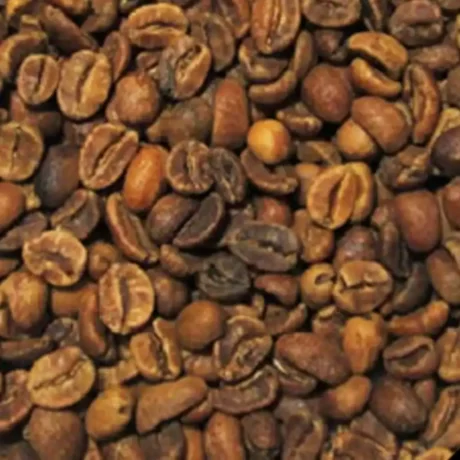
Most coffee cherries contain two seeds that develop side-by-side into the familiar “flat” bean shape. Peaberry happens when only one seed develops, creating a smaller, rounder, denser bean. That doesn’t just look different, it changes how the bean behaves in roasting and brewing.
In the real world, the peaberry coffee price typically rises for three practical reasons:
- Rarity + extra sorting: peaberries are separated out during grading, which adds labor and reduces total saleable volume.
- Roasting consistency: round, dense beans can roast more evenly when handled well, helping clarity and sweetness show up in the cup.
- Positioning: peaberry is marketed as a premium “special lot,” so brands often price it like a flagship origin.
February 2026 Market Snapshot: What You Should Expect to Pay
In February 2026, the peaberry coffee price you’ll see online depends heavily on whether you’re buying green (unroasted), roasted, or ground, and whether the seller is B2B wholesale vs. consumer retail.
Rule of thumb: bulk per-kg listings are for sourcing and production, while retail bags bundle roasting, packaging, and fulfillment into the tag.
So when comparing peaberry coffee price listings, always compare the same form (green vs roasted) and normalize by weight. Sanity check: convert to per-kg, then see if the premium matches freshness, grade, or origin rarity.
Price Table: Indonesia-Focused Wholesale Per-KG(Green/Roasted/Ground)
| Seller | Product Listing | Form Options | Listed Price (per kg) | Notes |
|---|---|---|---|---|
| FnB Coffee (fnb.coffee) | Peaberry Coffee (Sumatra Super Peaberry) | Green / Roasted / Powder | USD $33–$54 | Minimum purchase requirement shown; price per kg |
| FnB Tech (fnb.tech) | Peaberry Coffee | Green / Roasted / Powder | USD $33–$55 | Minimum purchase requirement shown; price range per kg |
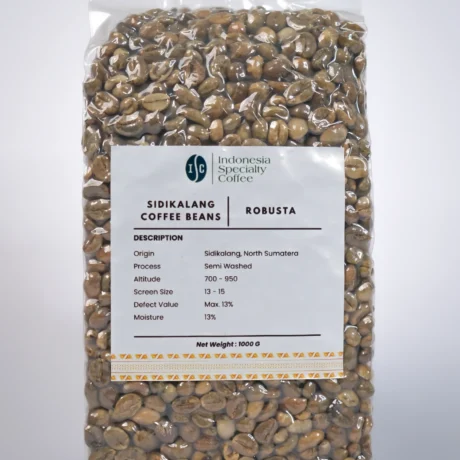
| Indonesia Specialty Coffee (specialtycoffee.id) | Sumatra Super Peaberry Green Coffee Beans | Green | USD $33.06–$38.06 | Price per kg; variant options shown |
| Indonesia Specialty Coffee (specialtycoffee.id) | Roasted Arabica Peaberry Coffee | Roasted (beans/grounds) | USD $51.98–$53.98 | Price per kg; type options shown |
How to read this: If you’re procurement-minded, the peaberry coffee price in these channels reflects raw material value (green) or bulk roasted value (roasted/ground), not “consumer bag” pricing.
Table sources: FnB Coffee’s Peaberry Coffee product page, FnB Tech’s Peaberry Coffee product page, and SpecialtyCoffee’s peaberry listings (green and roasted).
Price Table: Consumer Retail Bags from Shops Around the World
Here are international retail examples, plus an approximate per-kg number in the same currency.
| Region | Shop | Product | Pack Size | Listed Price | Approx. Price Per KG (Same Currency) |
|---|---|---|---|---|---|
| USA | Volcanica Coffee | Tanzania Peaberry | 16 oz (453.6 g) | USD $18.99 | ~USD $41.87/kg |
| USA | Coffee Bean Direct | Tanzanian Peaberry | 1 lb (453.6 g) | USD $20.95 | ~USD $46.19/kg |
| USA | Bald Head Coffee | Tanzania Peaberry | 12 oz (340.2 g) | USD $17.50 | ~USD $51.44/kg |
| USA (Hawaii) | Greenwell Farms | Kona Peaberry | 8 oz (226.8 g) | USD $35.00 | ~USD $154.32/kg |
| UK | Redber Coffee | Kenya Peaberry (green) | 1 kg | GBP £17.50 | GBP £17.50/kg |
| Australia | Grind Roast Masters | Kenya Peaberry | 250 g | AUD $21.00 | AUD $84.00/kg |
Table sources: Volcanica’s Tanzania Peaberry listing, Coffee Bean Direct’s Tanzanian Peaberry listing, Bald Head Coffee’s Tanzania Peaberry listing, Greenwell Farms’ Kona Peaberry listing, Redber’s Kenya Peaberry green listing, and Grind Roast Masters’ Kenya Peaberry listing.
Takeaway: The peaberry coffee price climbs sharply when you move into ultra-premium origins (like Kona) or into smaller retail packs with high fulfillment costs.
Why Peaberry is Best for Many Coffee Lovers
“Best” is subjective, but peaberry often earns its reputation because it tends to deliver a combo that’s hard to fake:
1) More Focused Flavor Expression
Many sellers describe peaberry as producing a richer, more concentrated cup because the coffee cherry develops a single seed rather than two.
2) Dense Beans That Roast Beautifully
Dense beans can handle heat differently, and when roast profiles are tuned, they can show even development and strong aroma. SpecialtyCoffee’s product copy emphasizes dense structure and balanced flavor for Sumatra peaberry green beans.
This is one reason the peaberry coffee price is often justified by roasters who want predictable performance.
3) A Premium Lot You Can Taste
Peaberry lots are typically separated by screen size and sorted as a distinct product line. That “extra step” is costly, yet it also means you’re often buying a lot that’s been treated as a premium grade from the start.
4) Versatility for Espresso and Filter
FnB Tech positions peaberry as a bold-but-balanced coffee with a smooth finish, suitable for different ways of drinking (black or with milk).
If you’re chasing crema + sweetness in espresso, or clarity + aroma in V60, peaberry is a strong candidate.
How to Shop Smarter in February 2026 and Avoid Overpaying
Because the peaberry coffee price varies by form and channel, use this checklist before you click “buy”:
- Confirm form: green vs roasted vs ground. Green will always look cheaper per kg than roasted.
- Check the unit: some listings are per kg, others per 8–16 oz. Normalize if you’re comparing.
- Look for minimum order rules: B2B suppliers can show a minimum purchase requirement (useful for cafes, not always for home buyers).
- Choose your tier: bulk green (best value per kg), 12–16 oz roaster bags (everyday), or luxury origins like Kona.
Quick Brewing Tips to Make Peaberry Shine
If you’re paying a premium for peaberry, you want every cup to taste like it.
- Filter (V60/Kalita): go slightly finer than usual and aim for bright clarity; peaberry often rewards clean extraction.
- Espresso: start with a 1:2 ratio and adjust grind to balance sweetness and acidity; many people love peaberry for its aromatic “pop.”
Bottom Line: The Best Way to Buy in February 2026
In February 2026, the peaberry coffee price spans a wide range from bulk per-kg supplier pricing to boutique retail bags that cost far more per kilogram. If you’re tracking peaberry coffee price week to week, save the tables below and update your shortlist as new lots drop.
- Home brewers: choose a trusted roaster bag size you can finish fresh.
- Cafes/roasters: compare per-kg green/roasted listings and ask for samples when available.
If you want a straightforward place to start comparing Indonesian peaberry options (green or roasted) with clear per-kg ranges, check the peaberry listings on SpecialtyCoffee.id and pick the form that fits your setup!
FAQ
Is peaberry always more expensive?
Often, yes, because it’s a sorted specialty lot and is marketed as premium, which affects the peaberry coffee price.
Should I buy green or roasted?
If you roast at home or run a roasting business, green offers the best value per kg. If you want convenience and consistent flavor, roasted is worth the higher peaberry coffee price.