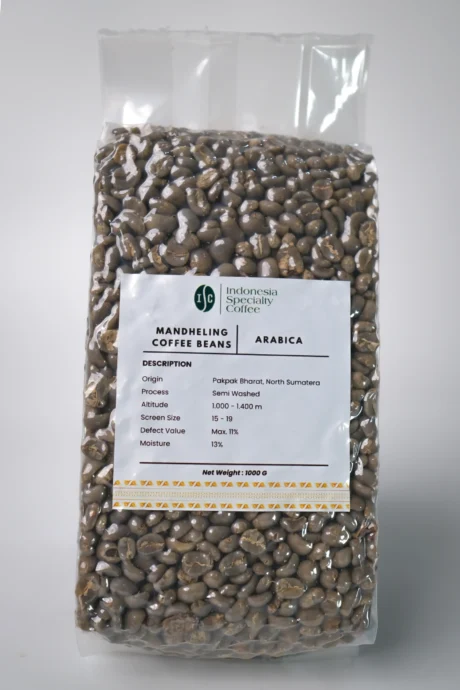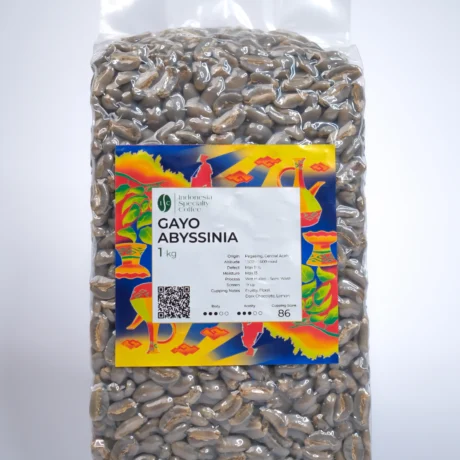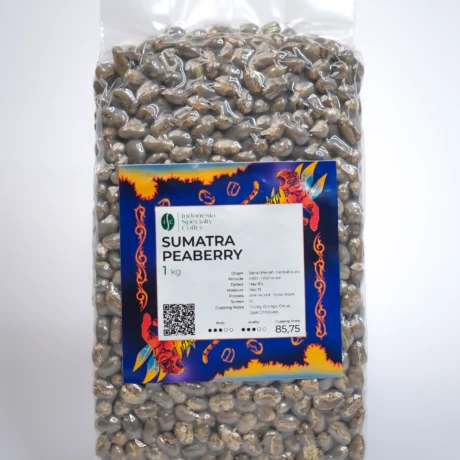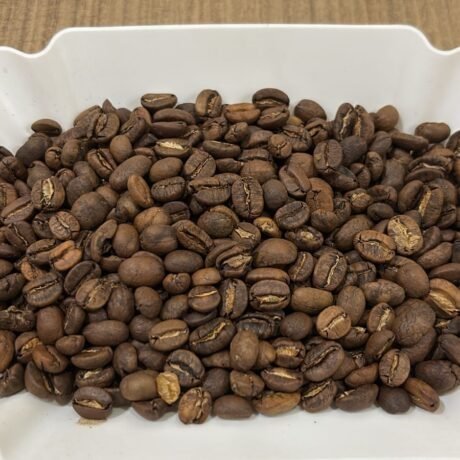
Sumatra is one of the few coffee islands where processing and place are impossible to separate. In cups made from sumatra coffee beans, the aroma often leans toward cedar, dark cacao, and warm spice, while the mouthfeel stays thick and smooth. That profile is not an accident. It is shaped by rainforest humidity, volcanic soils, and a distinctive method locals call Giling Basah.
For roasters and cafes, sumatra coffee beans also offer consistency in a world of sharp, high-acid coffees. Many lots show low acidity coffee character with a deep sweetness that holds up in espresso, milk drinks, and drip. The result is a full-bodied option that still feels complex, especially when the lot is traceable to smallholder communities.
Where Sumatran Coffee Grows?
Coffee on Sumatra is largely produced by smallholders farming steep land around the Bukit Barisan mountains. The best-known zones sit in the north and center of the island, where elevations and cool nights help slow cherry ripening.
Key origins often linked to sumatra coffee beans include:
- Aceh (Gayo Highlands) near Takengon, known for clean sweetness and herbal depth
- North Sumatra around Lake Toba, home to Lintong and Mandheling communities
- Kerinci (Jambi) on the slopes of Mount Kerinci, often bright for Sumatra yet still dense
These regions benefit from fertile volcanic soil and frequent rain. Drying is slow in the humidity, so processing choices matter as much as farming.
Flavor Profile: What to Expect in the Cup of Sumatra Coffee Beans
Across many lots, the classic earthy coffee flavor shows up as damp forest, tobacco leaf, and black tea. When roasted with care, the cup can also show molasses, dried fig, and baking cocoa rather than harsh “muddy” notes.
Common tasting notes for sumatra coffee beans include:
- Aromas of cedar, clove, and cocoa nib
- Flavors of dark chocolate, brown sugar, and sweet herbs
- A heavy, almost full-bodied coffee texture with a long finish
The acidity tends to sit low and rounded, which is why the coffee is often described as a low acidity coffee choice.
Regional Comparison: Gayo vs Mandheling vs Lintong
Not every Sumatran cup tastes the same. Different microclimates, cooperative practices, and sorting standards create noticeable differences, even when the same processing method is used.
| Style / Name | Typical Growing Area | Common Processing | Flavor Focus | Acidity | Body |
|---|---|---|---|---|---|
| Gayo | Aceh highlands (Takengon) | Wet-hulled, sometimes fully washed | Sweet herbs, cocoa, clean spice | Low–medium | Medium–full |
| Mandheling coffee | North Sumatra (often around Lake Toba) | Wet-hulled | Dark chocolate, tobacco, syrup | Low | Full |
| Lintong | Lintong Nihuta near Lake Toba | Wet-hulled | Earthy sweetness, black tea, cedar | Low | Full |
For shoppers comparing lots, this table is a quick way to read the label. It also helps explain why sumatra coffee beans can taste “clean and herbal” in one bag and “dark and syrupy” in another.
The Wet-Hulled Process: Giling Basah Explained
Sumatra is famous for the wet-hulled process, locally called Giling Basah. In humid conditions, parchment coffee is hard to dry fully on small patios. Wet-hulling works around that reality.
A typical flow looks like this:
- Cherries are depulped soon after picking.
- The coffee ferments briefly and is washed.
- Beans are partially dried, often to a higher moisture level than in other origins.
- The parchment is removed early, and the beans finish drying as green coffee.
This approach often boosts body and gives many sumatra coffee beans their signature earthy depth. It can also increase variability if sorting and drying are rushed, which is why cooperative quality control matters.
How to Choose Quality Sumatra Coffee Beans
Freshness and transparency make a bigger difference than a trendy label. A high-quality bag usually offers information beyond “Indonesian coffee,” such as region, cooperative, and harvest window.
Reliable signs when selecting sumatra coffee beans:
- A roast date within the past few weeks
- A named origin like Aceh Gayo, Kerinci, or Lake Toba
- Notes on processing, such as wet-hulled or fully washed
- Even bean size with few broken pieces
It also helps to look for traceability language that shows responsible sourcing. Many producers rely on smallholder networks, so cooperative names and importer details can signal higher standards.
Storage Tips for Peak Flavor
Coffee stales through oxygen, heat, light, and moisture. Because Sumatra lots often emphasize aroma and mouthfeel, poor storage can flatten what makes them special.
For Sumatran beans, best storage practices include keeping the coffee:
- In an airtight container with a tight seal
- Away from sunlight and warm appliances
- At room temperature, not in the freezer for daily use
- Ground only right before brewing
If the coffee must be stored for longer, portioning into sealed bags can help slow oxidation without constant opening.
Brewing Advice for a Rich, Balanced of Sumatra Coffee Beans
Sumatra coffees can handle longer contact times, but they still reward precision. A slightly coarser grind can keep the cup clean while preserving the syrupy texture.
A practical starting method for sumatra coffee beans in a pour-over:
- Use a 1:16 coffee-to-water ratio (for example, 20 g coffee to 320 g water).
- Bloom for 30–45 seconds to release trapped gas.
- Pour in steady pulses to keep the bed level.
- Aim for a total brew time around 3:00–3:30.
- Adjust grind finer for more sweetness or coarser for more clarity.
For espresso, many roasters blend Sumatran lots to add structure and crema. For immersion brewers, shorter steep times can reduce woody notes while keeping body.
Pairing and Use Cases
Because of the deep sweetness and low acidity, many cafes use sumatra coffee beans for drinks where chocolate and spice notes shine. Milk-based drinks often highlight cocoa and caramel tones, while a well-extracted drip cup can lean herbal and tea-like.
Common pairings include:
- Dark chocolate desserts or cocoa-forward pastries
- Spiced cookies with cinnamon or clove
- Savory breakfast foods where acidity would clash
Roast level shifts the balance: lighter roasts lean more herbal, while darker roasts push chocolate and smoky depth.
Sourcing, Sustainability, and Trust Signals
Experience in coffee comes from verifiable details. Certifications can help, but direct supply chain information is often more useful than a logo.
When evaluating Sumatran lots, strong trust signals include:
- A clearly named cooperative or farmer group
- Transparent grading and sorting practices
- Investment in drying beds or moisture control
- Importer notes that explain community impact
Some regions, especially in Aceh, have active cooperatives that improve processing consistency. Better drying and careful defect sorting can preserve the positive earthy profile without turning it murky.
Conclusion: Get Your Own Sumatra Coffee Beans
For drinkers who prefer depth over sharp brightness, sumatra coffee beans remain a reliable choice. They combine rainforest-grown density with a processing tradition that emphasizes body, sweetness, and spice. In the best lots from Aceh or around Lake Toba, the cup can feel layered rather than heavy, with cocoa, cedar, and black tea notes that stay on the palate.
When you’re ready to experience that syrupy body and bold Indonesian character for yourself, choose freshly roasted Sumatra beans from SpecialtyCoffee.id. Sourced with care and handled for peak freshness, each batch is crafted to highlight depth, balance, and clarity. Order today at SpecialtyCoffee.id and elevate your daily brew with authentic Sumatra flavor!
FAQ
What makes sumatra coffee beans taste earthy?
The earthy character often comes from wet-hulling, humid drying conditions, and the combination of volcanic soil and rainforest climate. Good sorting keeps the earthiness sweet rather than muddy.
Is Mandheling coffee always from a single region?
Mandheling is a trade name linked to North Sumatra and the Mandailing people, but labeling can vary. A traceable bag should name the specific area, cooperative, or district.
Which roast level suits Sumatran coffee best?
Medium to medium-dark roasts often balance sweetness, spice, and body. Lighter roasts can show more herbal clarity, while darker roasts amplify chocolate and smokier tones.