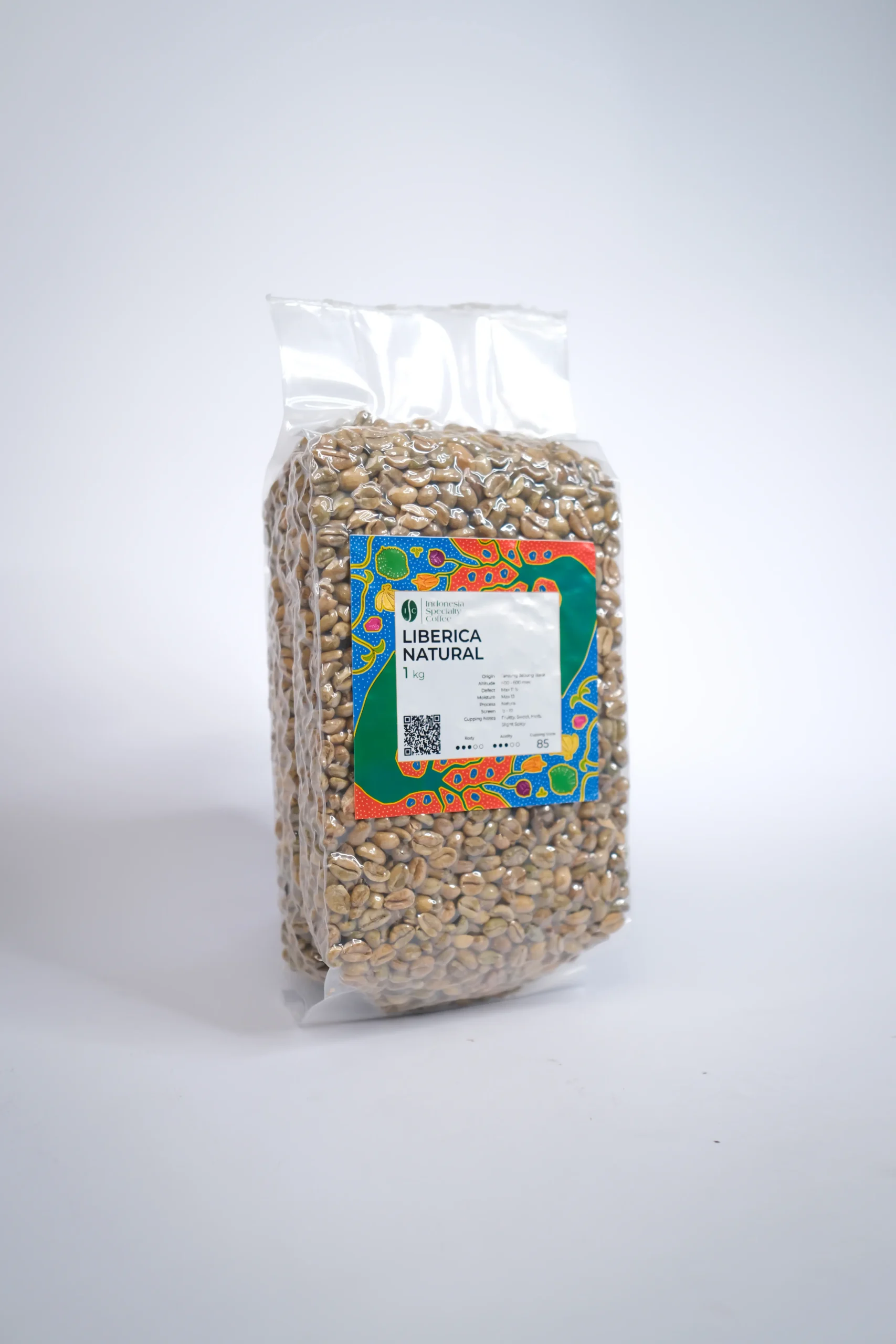
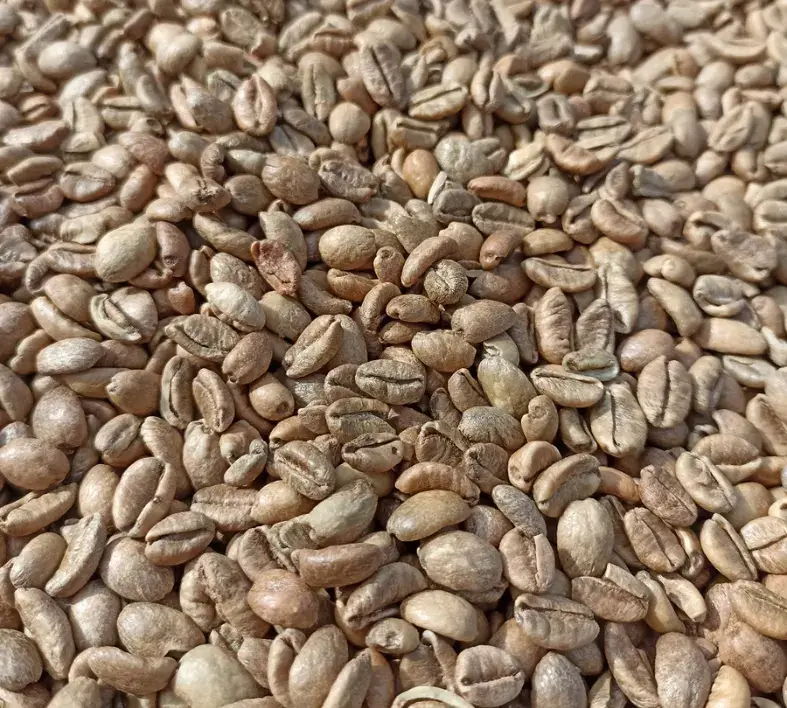
Description
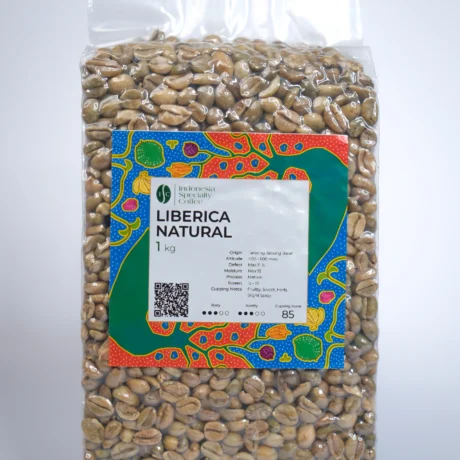
Liberica green beans offer a unique entry within the global coffee supply. This product attracts buyers through bold identity and clear value. Growers, traders, and roasters seek variety beyond common types. Therefore, this bean answers demand for strong taste and rare origin. The market views liberica coffee as a bold option with history. Moreover, green beans allow flexible roasting control. Buyers gain freedom to shape flavor direction. Consequently, this product supports creative roasting goals.
Furthermore, this topic matters for businesses seeking difference. Specialty buyers require clear sourcing and stable quality. Liberica green beans provide both qualities with character. As trends move toward unique origins, interest continues rising. Additionally, these beans support branding stories with depth. Sellers gain material for education and promotion. Therefore, understanding liberica green beans builds strong product confidence. This opening prepares readers for deeper insight ahead.
History
Liberica green beans trace roots to West Africa. Farmers cultivated these trees long before global trade expansion. Traders later moved seeds toward Southeast Asia. As a result, the plant adapted well to tropical climates. This movement shaped regional farming practices. Over time, growers preserved the variety through local knowledge. Their efforts maintained supply despite global focus elsewhere. History gives this bean lasting importance.
During colonial periods, farmers expanded cultivation to meet demand. However, other varieties gained stronger attention. Still, liberica coffee survived through loyal regional markets. Small farms protected seeds and methods carefully. This survival story adds depth and credibility. Today, renewed interest brings this history forward. Buyers appreciate products with enduring background. Thus, history strengthens modern market appeal.
Production Areas
Liberica green beans grow mainly in Southeast Asia today. Countries like Indonesia and Malaysia lead supply. Warm climate and rich soil support healthy growth. Farmers manage tall trees with careful pruning. This care improves harvest access and yield. Additionally, these regions support traditional farming knowledge. Local methods respect environmental balance. Such areas shape bean character.
Moreover, smaller regions contribute niche supply. Local farms often focus on quality rather than volume. Liberica coffee from these areas carries strong identity. Buyers value traceable sources and clear stories. Production areas influence aroma and taste direction. Therefore, origin matters greatly for buyers. Understanding location helps predict quality outcomes.
Conclusion
Liberica green beans present a strong option within specialty markets. Their history, form, and flavor create distinction. Buyers gain flexibility and storytelling material. Liberica coffee supports creativity and market differentiation. Green beans allow full roasting control. This advantage benefits professional roasters greatly. Clear understanding improves buying confidence. Overall value remains high.
In summary, this product suits buyers seeking bold identity. Each aspect contributes to overall appeal. Production areas, seed form, and caffeine shape results. Structured description improves trade clarity. As interest grows, demand continues rising. Liberica green beans stand ready for expansion. Knowledge supports success across supply chains. This conclusion reinforces lasting relevance.
Specifications
- Category: Liberica Coffee Specifications
- Scientific Name: Coffea liberica var. liberica
- Origin: West Africa (Liberia)
- Planting Altitude: Low to medium altitudes (0 – 1000 m above sea level), best suited for lowlands
- Disease Resistance: Better than Arabica, but less resistant than Robusta to leaf rust (Hemileia vastatrix)
- Tree Structure: Very tall, can reach 9 to 17 meters
- Leaves: Tend to be thick, wide, with a pointed tip, oval-shaped (up to 30 cm wide)
- Fruit (Cherry): Larger and with thicker skin compared to Arabica and Robusta. Oval in shape
- Production: Moderate (around 4-5 quintals/ha/year). Fruits throughout the year, though fruit size is not uniform
- Environmental Uniqueness: Resistant to extreme conditions and can thrive in peatlands
Characteristics
- Category: Liberica Coffee Specifications
- Bean Size: The largest among cultivated coffee types. It can reach 24 mm in length, 12 mm in width
- Bean Shape: Asymmetrical, irregular, and tends to be large and elongated
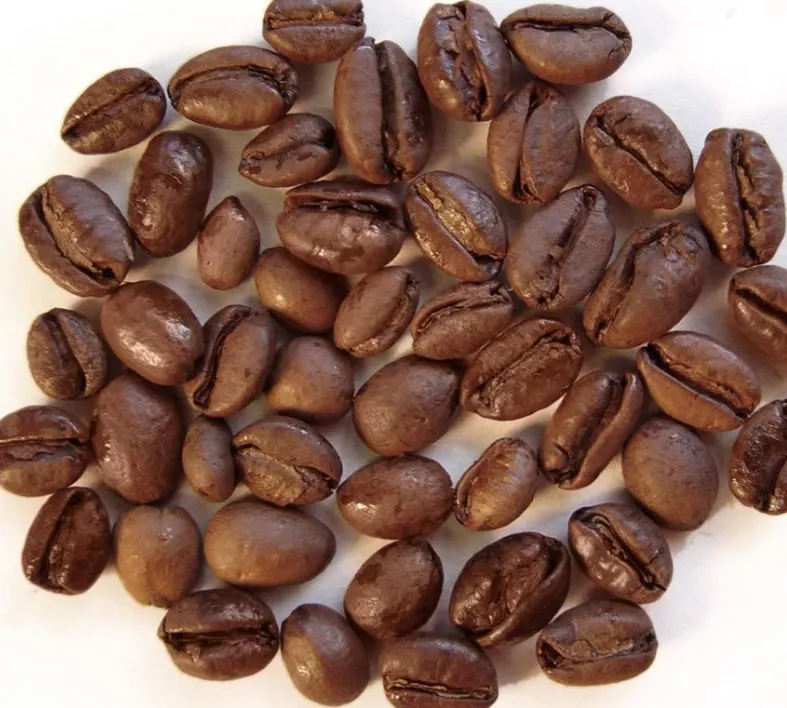
- Dry Bean Color: Brown to very dark/almost black
- Caffeine Content: Very low, around 1.23 gr/100 gr of beans (the lowest compared to Arabica and Robusta)
- Yield: Low, around ±12%
- Fat Content: Quite high (around 12%). Contributes to a thick mouthfeel and creamy sensation
Flavor and Aroma Profile
- Category: Liberica Coffee Flavor Description
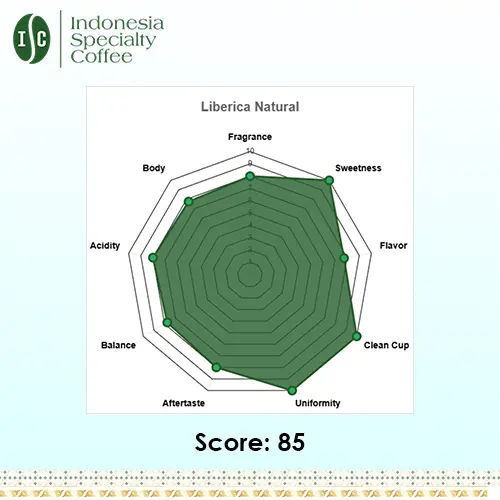
- Aroma: Distinct, strong, and unique. Often described as having a smell similar to ripe jackfruit
- Main Flavor: A complex flavor, often fruity (fruits), floral (flowers), herbal, and especially woody and smoky
- Body: Full and heavy, supported by the high fat content
- Acidity: Low, resulting in a more balanced taste
- Aftertaste: Long and complex, sometimes with an earthy touch