Coffee lovers are constantly searching for rare and distinctive varieties that offer something beyond the ordinary. Among the lesser-known yet increasingly discussed varieties is excelsa coffee beans, a unique type prized for its complex flavor and bold personality. While Arabica and Robusta dominate global markets, this distinctive bean has quietly built a following among specialty roasters and adventurous home brewers.
In this guide, we’ll explore everything you need to know; from origin and taste profile to roast recommendations and brewing methods, so you can decide whether this rare variety deserves a place in your daily ritual.
What Excelsa Coffee Beans Are?
In trade conversations, Excelsa is often presented as its own “type” because it behaves differently in the cup than the coffees most consumers know. Botanically, it is frequently associated with the Liberica family, and labeling can vary by country and by exporter. That inconsistency is normal in coffee: the most reliable information is not the label alone, but the combination of origin, processing method, and roast approach.
Compared with typical Arabica lots, excelsa coffee beans may look larger and more uneven in shape. The trees are widely described as hardy in warm, humid conditions, which is one reason farmers and buyers keep revisiting them as climate pressures reshape coffee-growing regions.
Where It’s Grown and Why Origin Details Matter
Commercial supply is most often linked to Southeast Asia, with smaller volumes cultivated elsewhere in tropical climates. Origin matters because altitude, rainfall, soil, and farm practices influence bean density and sweetness, while drying choices influence clarity and aroma.
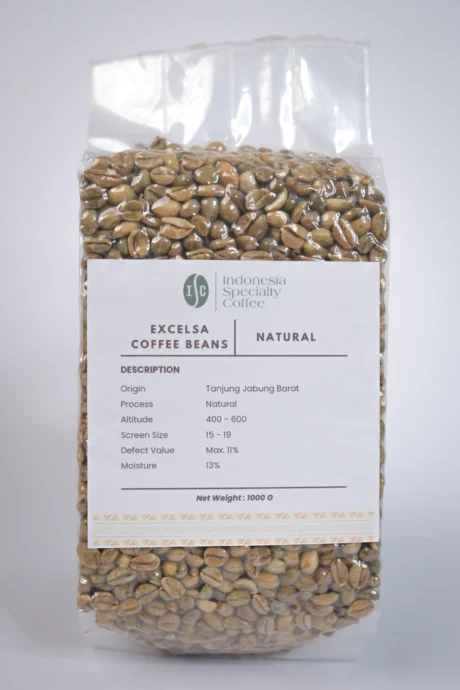
Processing is especially important for this variety. Washed lots usually taste cleaner and more defined; natural lots can push heavier sweetness and riper fruit; honey processes often land between the two. When product pages clearly list origin and process, excelsa coffee beans become easier to buy with confidence because the description connects to predictable flavor outcomes.
Flavor Profile: What Tends to Show Up in the Cup
Excelsa is often described with “contrast” as the theme. Many cups open with a tangy, fruit-forward impression, then settle into a deeper foundation that can feel cocoa-like or subtly woody. Depending on origin, process, and roast, roasters commonly describe notes such as:
- tart berries, dried fruit, or tamarind-like tang
- dark caramel, cocoa, or brown sugar sweetness
- gentle spice and a long, winey finish
This layered structure is why excelsa coffee beans are frequently used to add complexity to blends. A small percentage can lift aroma and fruit without stripping away body.
Why More Roasters and Cafes Are Featuring Excelsa Coffee Beans
The rise is not only about novelty. Three practical forces tend to drive the interest.
- Menu differentiation with integrity. Cafes can offer something distinct without leaning on flavored additions.
- Blend design flexibility. Roasters look for components that add fragrance and finish length, especially when some origins become expensive or inconsistent.
- Curiosity-driven search. Buyers increasingly type variety names into search engines, and “rare” categories attract clicks when the product story is clear and believable.
In that context, excelsa coffee beans support both goals: they attract top-of-funnel interest through uniqueness, and they convert better when the seller explains how the coffee will taste and how it should be brewed.
Roast Guide: Keeping the Character Intact
Roast level decides whether the cup leans crisp and vivid or deep and rounded. Many roasters find a medium range to be the safest entry point, because it keeps fruit expression while smoothing sharp edges.
- Light roast: brighter tang, lighter body, higher risk of sourness if under-extracted
- Medium roast: balanced fruit and sweetness, fuller mouthfeel, often the most “true-to-type” profile
- Dark roast: heavier body and deeper base notes, but a higher risk of muting the fruit contrast
Handled carefully, excelsa coffee beans can stay expressive at medium-dark levels, but pushing too dark often flattens the very traits that make the variety appealing.
Brewing Methods That Highlight Excelsa Coffee Beans Strengths
Different brew styles emphasize different parts of the profile, so matching method to goal matters.
Pour-Over (V60, Kalita, Similar)
Pour-over usually highlights aroma and acidity. Many cafés dial in a brew ratio around 1:15 to 1:17, aiming for even extraction and a clean finish. A medium grind and steady pouring can help preserve fruit definition while keeping the deeper base note structured.
Immersion (French Press or Immersion-Style AeroPress)
Immersion tends to emphasize body and sweetness. Slightly coarser grinding and controlled steep time can round the tart edge and bring more caramel-like depth forward.
Espresso (And Milk Drinks)
As espresso, the coffee can taste punchy and aromatic, with bright fruit cutting through milk while maintaining structure. In blends, roasters may include excelsa coffee beans as a smaller component to add lift and complexity without making the shot thin.
Cold Brew
Cold extraction often reduces perceived acidity and emphasizes sweetness and depth, producing a smoother cup with a long finish.
Caffeine and “Strength”: Setting Realistic Expectations
Coffee “strength” is often confused with caffeine. Taste intensity comes from roast development, brew ratio, and extraction, while caffeine depends on species, dose, and beverage size. Retail bags rarely list lab-tested caffeine numbers, so expectations should stay realistic. For most buyers, Excelsa is best treated as a flavor-forward choice; any perceived boost is secondary and varies by preparation.
Common Mistakes That Reduce Clarity and Sweetness
Even high-quality coffee can taste “flat” when a few fundamentals are missed. Stale grinding (pre-ground or ground too far in advance) dulls aromatics quickly, and uneven grinding can create both sour and bitter notes in the same cup. Water quality matters too: very hard water can mute acidity, while very soft water can make extraction thin. Finally, dose and time should be consistent so adjustments are meaningful rather than random.
Buying Checklist: What Signals Quality (And Builds Trust)
Traffic converts when shoppers feel safe making a first purchase. For a less common variety, the best product pages do not rely on vague adjectives, they provide concrete details that can be checked.
- Roast date: freshness is one of the strongest predictors of aroma and sweetness.
- Origin transparency: country, region, and producer/co-op information where available.
- Processing method: washed, natural, or honey should be clearly stated.
- Roast level and tasting notes: helps align expectations with the final cup.
- Packaging: a proper seal and a one-way valve help protect freshness in transit.
- Seller consistency: repeatable descriptions and responsive support are practical credibility markers.
When sellers provide these signals, excelsa coffee beans are easier to purchase confidently, which reduces “trial anxiety” and improves conversion.
Storage: Protecting Flavor After Delivery
Once a bag is opened, oxygen and heat degrade aroma quickly. Airtight storage in a cool, dark place is the standard recommendation across specialty coffee. Refrigeration is often avoided because moisture and odor transfer can introduce off-flavors. In typical household use, finishing excelsa coffee beans within a few weeks of roast helps preserve the fruit aromatics and clean sweetness that define the cup.
How Excelsa Coffee Beans Are Used in Blends
Many roasters treat Excelsa as a “character” component. It can brighten aroma, add fruit complexity, and extend finish length while reinforcing body. Common blend goals include:
- Lifting fragrance in chocolate-forward espresso bases
- Adding complexity without forcing extremely light roasting
- Keeping milk drinks clear, with a crisp edge and structured base
For customers new to the variety, blends featuring excelsa coffee beans can be a balanced introduction because the profile feels distinctive without becoming polarizing.
A Conversion-Ready Next Step
Shoppers who want both good flavor and reliable service usually benefit from choosing retailers that publish roast dates, origin details, processing information, and clear tasting notes, and that ship in protective packaging. SpecialtyCoffee.id, for example, positions its offerings around transparent information and curated roast profiles, which helps buyers select excelsa coffee beans that match preferred brew methods and flavor goals.
Conclusion
Excelsa’s appeal is simple to explain and easy to verify in the cup: tangy fruit brightness supported by a deeper foundation that adds structure and length. With transparent sourcing, an appropriate roast level, and a brewing method matched to the desired outcome, excelsa coffee beans can deliver a memorable experience that fits everyday routines, while also giving brands a credible product story that supports both search traffic and conversion.
As interest grows, buyers see substantial value in types with rich tone and firm character. Visit SpecialtyCoffee.id to explore thoughtfully curated beans that elevate every cup. Discover bold layers, clean finishes, and unique profiles designed to match your daily rituals. Start your journey toward richer, more memorable brews with premium high-quality selections today.