
Caffeine is good for most healthy adults in moderate amounts, and the evidence behind that is stronger than it was a decade ago. The complication is that “moderate” is not the same number for everyone. Body weight, medication, pregnancy, and plain genetics all move the line. This guide covers what caffeine does in the brain, the benefits that research actually supports, the side effects worth watching, the daily limits set by the FDA, and how your choice of coffee bean changes the dose in your cup.
Last updated: 28 August 2026
Is Caffeine Good for Humans? The Short Answer
For most healthy adults, yes. The FDA cites 400 mg of caffeine per day as an amount not generally associated with negative effects, roughly two to three 12-ounce cups of coffee. Within that range, caffeine improves alertness and physical performance, and regular coffee drinking is associated with lower rates of several chronic diseases.
The qualifier matters. Sensitivity varies widely between people, and so does how fast the body clears caffeine. If you are pregnant, breastfeeding, taking medication, or managing a heart condition, the general 400 mg figure does not apply to you. Talk to a healthcare professional instead.
Caffeine Health Benefits: What the Research Supports
Caffeine works by blocking adenosine, the neurotransmitter that signals tiredness, which in turn increases dopamine activity. That single mechanism explains most of what people feel after a cup: sharper attention, less perceived fatigue, and a mild lift in mood.
What the evidence supports:
- Alertness and cognitive performance. Caffeine influences reaction time, reasoning, and memory, and reduces the symptoms of sleep deprivation in people working irregular hours.
- Physical endurance. Caffeine delays the onset of perceived fatigue, which is why it is one of the most studied legal ergogenic aids in sport.
- Association with lower chronic disease rates. The American Heart Association notes that people who regularly drink coffee may be less likely to develop cardiovascular disease, diabetes, Parkinson’s disease, and some cancers.
One distinction is worth stating plainly, because most articles skip it. These findings come from observational studies, which show association rather than proof of cause. Coffee drinkers differ from non-drinkers in other ways too. The honest summary is that moderate coffee consumption appears compatible with long-term health and may be protective, not that coffee prevents disease.
For a broader review of the mechanisms, the 2025 review in Beverages covers caffeine’s effects across the nervous, digestive, and cardiovascular systems.
Caffeine Side Effects: When Is Caffeine Bad for Humans?
Caffeine turns from useful to unpleasant at a threshold that differs for every person. Most side effects are dose-dependent, meaning they appear as intake rises rather than at any amount.
Common effects of overconsumption:
- Anxiety and jitters. Caffeine increases nervousness and irritability, and the effect is more pronounced in people with a pre-existing anxiety disorder.
- Disrupted sleep. Caffeine has a long half-life. An afternoon cup can still be active in your system at bedtime.
- Digestive discomfort. Coffee can aggravate acid reflux and, at higher doses, loosen digestion.
- Elevated heart rate and blood pressure. A 2023 review in Pharmaceuticals recorded tachycardia, palpitations, anxiety, headache, and insomnia in nearly all participants given a high dose of 12 mg per kilogram of body weight.
- Withdrawal. Regular drinkers who stop abruptly commonly experience headache, irritability, and fatigue for a few days.
Daily caffeine use is also linked to chronic migraine in some people, even though caffeine relieves headache symptoms when used occasionally.
How Much Caffeine Is Too Much?
The 400 mg daily figure applies to healthy adults and comes from the FDA. Caffeine is not confined to coffee, so the arithmetic includes tea, soda, chocolate, and energy drinks.
Typical caffeine content per serving, using FDA figures:
| Drink | Serving | Caffeine |
|---|---|---|
| Brewed coffee | 8 oz | 80 to 100 mg |
| Green or black tea | 8 oz | 30 to 50 mg |
| Caffeinated soft drink | 12 oz | 30 to 40 mg |
| Energy drink | 8 fl oz | 40 to 250 mg |
| Decaf coffee | 8 oz | 2 to 15 mg |
Guidance by group:
- Most healthy adults: up to 400 mg per day.
- Pregnancy: the American College of Obstetricians and Gynecologists recommends staying below 200 mg per day. The FDA advises anyone pregnant, trying to conceive, or breastfeeding to discuss caffeine with their healthcare provider.
- Children and teenagers: Mayo Clinic advises against caffeine for children, and the American Academy of Pediatrics advises against energy drinks for both children and teens.
- Timing: stop caffeine at least 6 hours before bed if it affects your sleep.
Signs you have passed your own limit are simple enough to read without a chart. Jitters, a racing pulse, headaches, or trouble falling asleep all mean the same thing.
Sourcing coffee for a café or roastery and want control over the caffeine you serve? Our wholesale pricelist covers Indonesian Arabica and Robusta in green and roasted form.
Does Your Coffee Choice Change Your Caffeine Intake?
Yes, and by more than most drinkers expect. The species of bean matters more than the roast, the brand, or the strength of the flavor.
| Bean | Caffeine by weight | Typical cup character |
|---|---|---|
| Arabica | 1.2 to 1.5% | Smoother, sweeter, higher acidity |
| Robusta | 2.2 to 2.7% | Bolder, more bitter, heavier crema |
| Decaffeinated | Below 0.1% by regulation | Retains most flavor, minimal stimulant effect |
Robusta carries close to twice the caffeine of Arabica. A café running a Robusta-heavy espresso blend is serving a meaningfully stronger dose than one pouring straight Arabica, even at identical shot volumes.
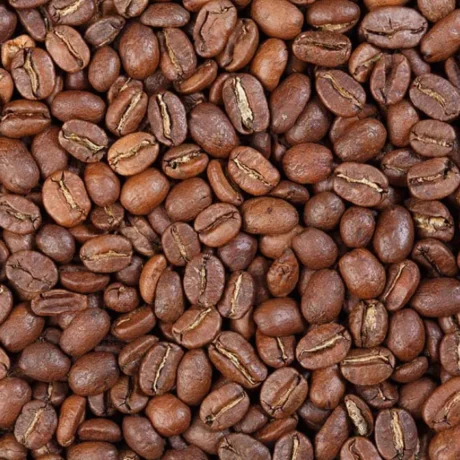
Roast level is the myth worth retiring. Dark roasting burns off a small amount of caffeine rather than adding any. Dark roast tastes stronger, which is a flavor observation, not a caffeine one. Weigh your dose rather than scooping it and the difference between roasts nearly disappears. Our guide to how much caffeine is in a cup of coffee breaks the variables down further, and espresso shot caffeine covers the espresso side specifically.
Is Caffeine Good for Humans or Not? The Verdict
Caffeine is good for most healthy adults consumed in moderation, and unhelpful for anyone who exceeds their personal tolerance. Both statements are true at the same time, which is why the question resists a clean yes or no.
The practical version: keep total daily intake under 400 mg unless a healthcare professional has given you a different number, stop early enough in the day to protect your sleep, and pay attention to what your body reports back.
Choose coffee you actually want to drink slowly. That single habit does more for moderation than any rule.
Frequently Asked Questions
Is caffeine good for humans?
For most healthy adults, yes, in moderate amounts. The FDA cites 400 mg per day as an amount not generally associated with negative effects, and regular coffee drinking is associated with lower rates of several chronic diseases. Sensitivity varies widely, so the general figure does not apply to everyone.
How much caffeine is too much per day?
More than 400 mg per day exceeds the FDA reference point for healthy adults, roughly two to three 12-ounce cups of coffee. Your personal ceiling may be lower depending on body weight, medication, and genetics. Jitters, palpitations, headaches, or disrupted sleep indicate you have passed it.
Is caffeine bad for your heart?
Not for most people at moderate intake. The American Heart Association notes regular coffee drinkers may be less likely to develop cardiovascular disease. High doses do raise heart rate and blood pressure, so anyone with a diagnosed heart condition should ask their doctor about a personal limit.
How much caffeine is safe during pregnancy?
The American College of Obstetricians and Gynecologists recommends staying below 200 mg per day during pregnancy, about one 12-ounce cup of coffee. The FDA advises anyone pregnant, trying to conceive, or breastfeeding to discuss caffeine intake with their healthcare provider rather than relying on a general figure.
Does decaf coffee have caffeine?
Yes, a small amount. Decaffeinated coffee contains roughly 2 to 15 mg per 8-ounce cup according to the FDA, compared with 80 to 100 mg in regular brewed coffee. Regulations cap decaf at 0.1 percent caffeine by weight, so treat decaf as low-caffeine rather than caffeine-free.
Source Specialty Indonesian Coffee from Indonesia Specialty Coffee
Indonesia Specialty Coffee is a wholesale green coffee beans supplier based in Medan, North Sumatra, shipping Grade 1 lots graded against SNI 01-2907-2008 to roasters, importers, and cafés worldwide.
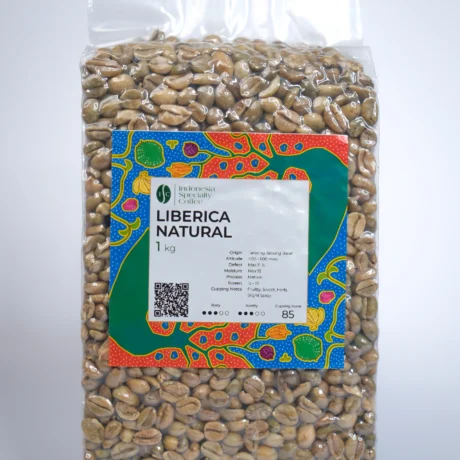
If caffeine level is a variable you want to control in your blend, that decision starts at the green stage. We supply Indonesian Arabica coffee beans across Gayo, Mandheling, Lintong, Toraja, Bali Kintamani, and Java, alongside Robusta coffee beans from Lampung for roasters building higher-caffeine espresso blends. All lots are Halal certified. Organic and Rainforest Alliance are available on request. [confirm Halal/Organic/Rainforest Alliance certification is current before publishing]
Order at four tiers: 1 kg samples for cupping, 60 kg microlots, 350 kg standard wholesale, and container loads from 9 MT. Check the current pricelist or contact our team for a custom quote.