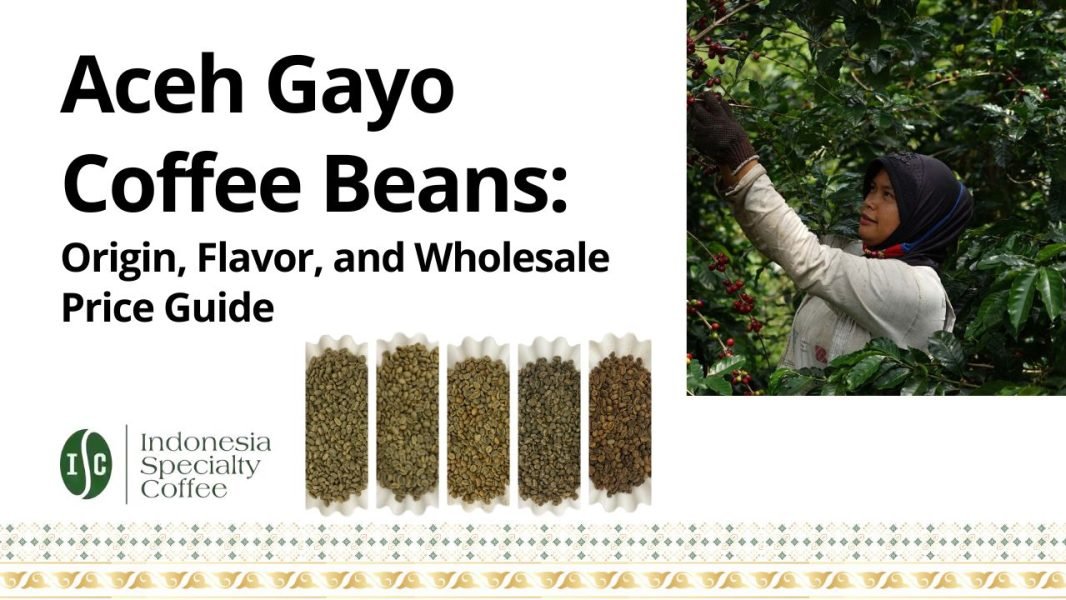
Aceh Gayo coffee beans wholesale buyers come to us for one reason: consistency. Our Aceh Gayo Arabica is sourced directly from smallholder farms in Aceh Tengah, grown at 1,400 to 1,800+ metres above sea level, and cupped at our Medan facility against SCA protocol before it ever leaves Indonesia. This guide covers what buyers actually ask us before placing an order: where Gayo is grown, which varietals the region produces, the two-step processing method that gives Gayo its signature cup, current SCA cupping scores, 2026 wholesale pricing, and how to order from Indonesia Specialty Coffee (ISC).
Last updated: April 2026
What Is Gayo Coffee?
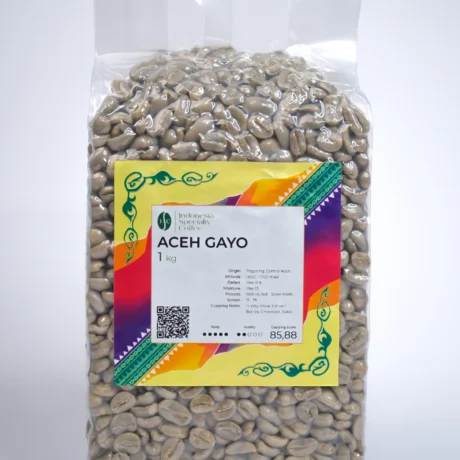
Gayo coffee is Arabica coffee grown in the Gayo Highlands of Aceh Province, northern Sumatra. The core production zones are Aceh Tengah, Bener Meriah, and Gayo Lues, with Takengon (the town on the shore of Lake Tawar) serving as the trading hub where wet-mills and dry-mills cluster.
The name comes from the Gayo ethnic group, who have cultivated coffee in these highlands since the early 1900s. Today Gayo is Indonesia’s largest Arabica-producing region by volume, and Indonesia ranks as a top global coffee producer in ICO annual statistics. Most specialty roasters who buy Sumatran single-origin start with Gayo. Everything ISC ships under the Gayo label is single-origin from these Aceh highland districts, not blended with lower-altitude commercial lots.
Growing Conditions: Altitude, Climate, and Soil
Our partner farms in Aceh Tengah sit between 1,400 and 1,800 metres ASL, with the best lots coming off farms above 1,400 metres. The Gayo Highlands get 2,000 to 3,000 mm of annual rainfall, average daytime temperatures of 18-22 °C, and volcanic andisol soils enriched by the slopes of the Burni Telong volcano.
Altitude matters because it slows cherry maturation, which concentrates sugars and acids inside the bean. Lots grown below 1,000 metres in Sumatra rarely reach specialty grade. Gayo consistently does. That is why SCA cupping scores from this region land in the 82-88 point range on our Grade 1 lots, and why Gayo clears export inspection at well below the 11 full-defect threshold.
Varietals Grown in the Gayo Highlands
Gayo is not a single variety. Our partner farms cultivate a mix of traditional and modern Arabica varietals, each with a different cup signature:
- Typica: the oldest varietal in the region, low yield, clean cup, classic earthy-sweet Sumatran profile
- Bourbon: brings sweetness and rounder body to the cup
- Catimor: disease-resistant, higher yield, often forms the base of wholesale lots
- Tim Tim (Hibrido de Timor): robust, deep-bodied, widely planted since the 1980s
- Gayo 1 and Gayo 2: government-released local selections; Gayo 1 descends from Tim Tim, Gayo 2 is a Bourbon cross
When we prepare a wholesale lot, we can supply single-varietal micro-lots on request or the standard regional blend that most roasters buy.
Ready to price a lot? See current tier pricing on our wholesale pricelist or request a sample.
Flavor Profile and SCA Cupping Score
Gayo Arabica cups with low acidity, heavy body, and deep sweetness. The flavor signature buyers recognise is earthy base notes, dark chocolate, cedar, and a finish of brown sugar or molasses, often with a quiet herbal top note. Higher-altitude lots add cleaner citrus brightness.
Our Grade 1 Gayo lots consistently cup at 82-88 SCA points, assessed against SCA cupping protocol. For comparison, a Gayo lot is disqualified from specialty grade if it has five or more Category 1 defects (full black, sour bean, fungus-damaged), moisture above 12.5%, or screen-size uniformity below the SCA threshold. The characteristic Gayo cup is not accidental. It is the combined result of altitude, varietal mix, and the two-step processing method used in the region.
How Gayo Coffee Is Processed (Two-Step Framework)
Most articles about Gayo treat Giling Basah as if it were the entire processing story. That is only half of it. In Gayo, coffee processing is actually two sequential stages, and the buyer who understands both stages can specify a lot with precision.
Step 1: Cherry Processing (Before Hulling)
Step 1 is what happens to the coffee cherry from picking through drying. Two families, five methods:
Wet Process family:
- Semi-Washed: cherries are pulped, fermented for 12 hours (a night), rinsed, then dried on the parchment. The standard Gayo approach.
- Full-Washed: cherries are pulped, fermented for 12 hours (a night), rinsed, and then soaked for 24 hours to take out the remaining mucilage from inside the center cut of the coffee beans, and the result is a cleaner form of beans, then dried. Produces a cleaner, more acidic cup.
Dry Process family:
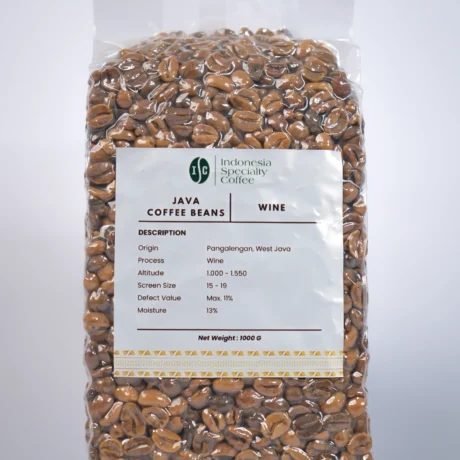
- Wine: extended anaerobic fermentation for 30 days on the cherry (in a sealed Plastic Bag or Plastic Drum), and then dried. Winey, fruit-forward cup.
- Honey: pulped but dried with mucilage still on the parchment. Sweeter, heavier body.
- Natural: dried whole cherry. Fruit-driven, deep sweetness, higher risk profile.
Step 2: Hulling Type (How the Parchment Is Removed)
Step 2 is the moisture level at which the parchment layer comes off. This is where Gayo differs from most origins:
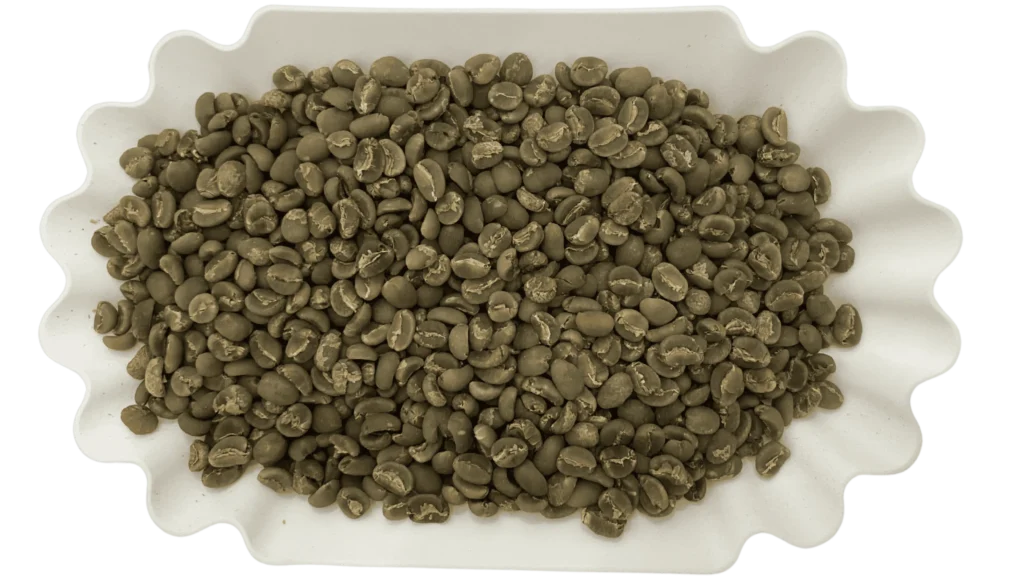
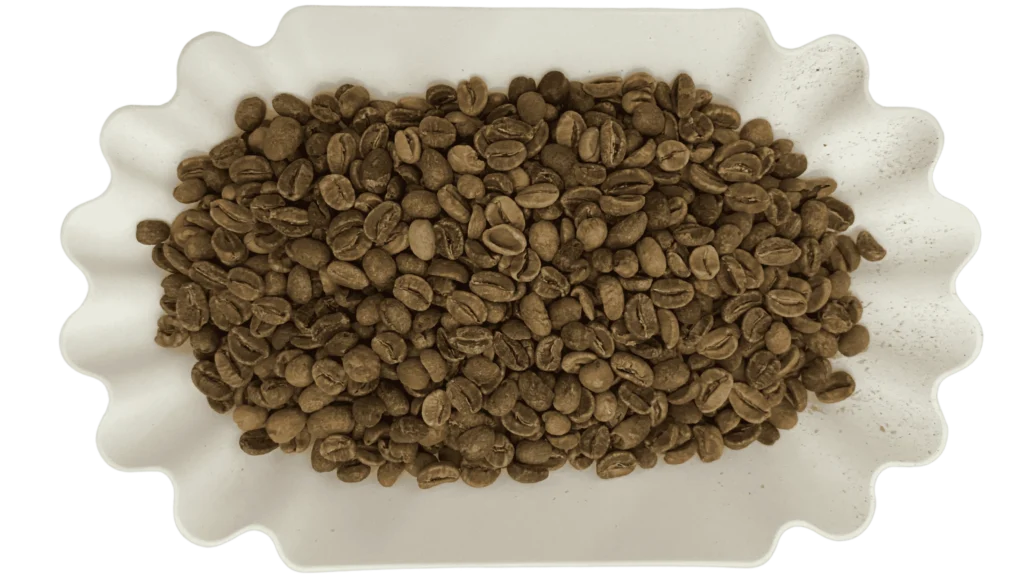
- Dry-Hulled: parchment is removed at approximately 12-13% moisture. Results in cleaner green beans with minimal silverskin, closer to the appearance of washed Central American coffees.
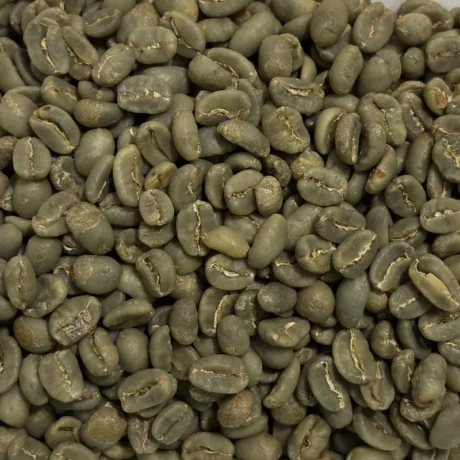
- Wet-Hulled (Giling Basah): parchment is removed at 35-40% moisture by hulling, then the bean is dried again until reaching approximately 12-13% moisture. Produces a noticeably heavier silverskin on the green bean, a bluish-green colour, and the signature low-acid full-body cup that defines traditional Sumatran Arabica.
How Step 1 and Step 2 Combine on ISC’s Gayo Lots
| Step 1 (Cherry) | Step 2 (Hulling) | Typical Cup Profile |
|---|---|---|
| Semi-Washed | Wet-Hulled | Classic Gayo: earthy, full body, low acid |
| Full-Washed | Dry-Hulled | Cleaner, more citric, higher clarity |
| Honey | Dry-Hulled | Sweet, heavier body, balanced acidity |
| Natural | Dry-Hulled | Fruit-forward, winey, deep sweetness |
| Wine | Dry-Hulled | Intense fermented fruit, niche roaster demand |
When you specify a Gayo lot with ISC, we confirm both stages on the contract. Never just one.
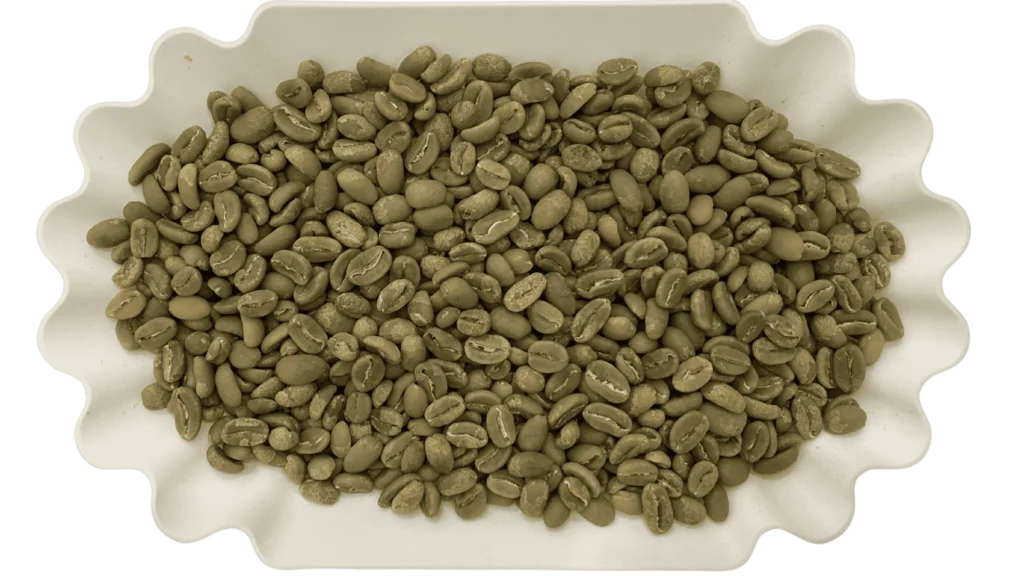
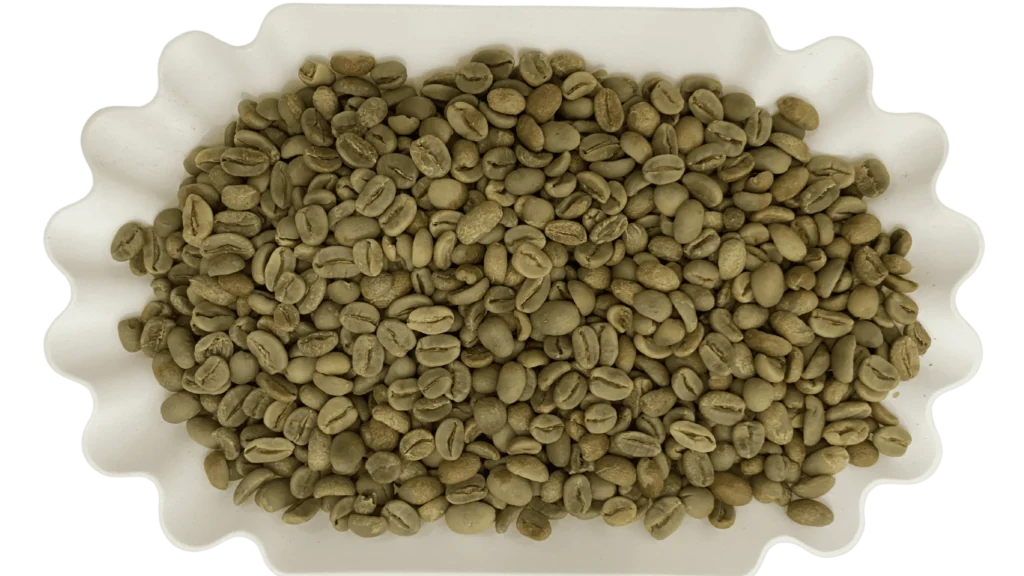
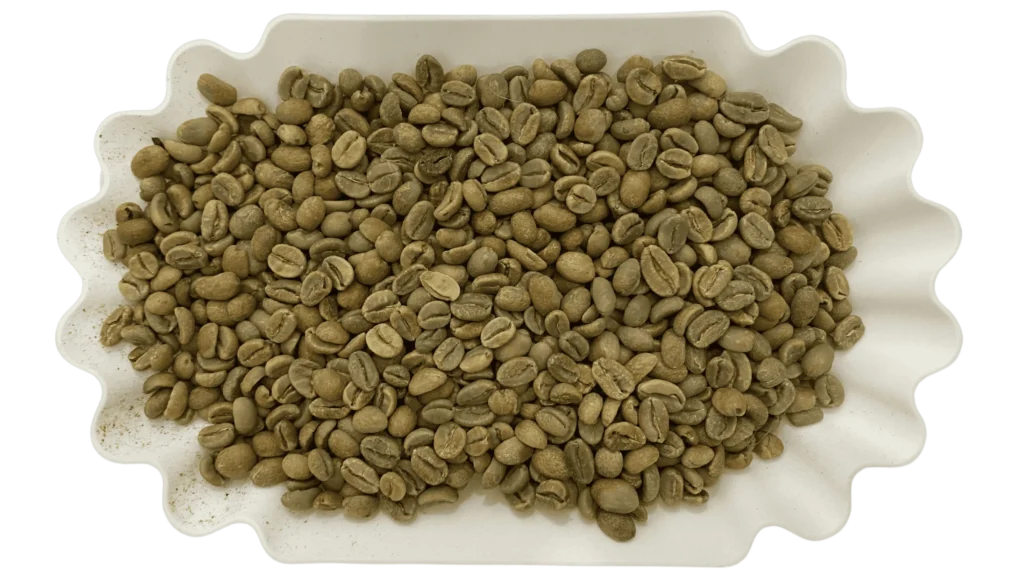
Gayo Coffee Beans Wholesale Price (2026)
Gayo wholesale pricing depends on four factors: grade (SNI 01-2907-2008, administered by BSN), Step 1 cherry process, Step 2 hulling type, and order volume. Certification (Organic, Rainforest Alliance) adds a premium on top.
| Product | Grade | Price Range (USD) | MOQ | Terms |
|---|---|---|---|---|
| Gayo Arabica (Semi-Washed, Wet-Hulled) | Grade 1 / Specialty | $8–10 per kg | from 350 kg | FOB Belawan |
| Gayo Full-Washed (Dry-Hulled) | Grade 1 / Specialty | $9.50–11 per kg | from 350 kg | FOB Belawan |
| Gayo Honey (Dry-Hulled) | Grade 1 / Specialty | $11–16 per kg | from 350 kg | FOB Belawan |
| Gayo Wine (Dry-Hulled, micro-lot) | Grade 1 / Specialty | $16–20 per kg | from 350 kg | FOB Belawan |
| Gayo Natural (Dry-Hulled) | Grade 1 / Specialty | $11–16 per kg | from 350 kg | FOB Belawan |
Sample orders from 1 kg are available for new buyers who want to cup before committing to a wholesale volume. Container-load pricing (9 MT+) is quoted separately and tied to the current Arabica C market.
For a full breakdown of pricing by grade tier (Triple Pick vs Double Pick), FOB vs CIF landed cost estimates, and MOQ tiers, see our Gayo coffee price per kg guide.
Frequently Asked Questions
What is Gayo coffee? Gayo coffee is single-origin Arabica grown in the Gayo Highlands of Aceh, northern Sumatra. It is known for low acidity, heavy body, and earthy-sweet flavour. Most Gayo lots are processed with the traditional semi-washed plus wet-hulled (Giling Basah) method that gives the coffee its distinctive Sumatran cup profile.
Where is Gayo coffee grown? Gayo coffee is grown in Aceh Tengah, Bener Meriah, and Gayo Lues districts of Aceh Province, Indonesia. Core production sits at 1,400 to 1,800 metres above sea level, centred around Takengon and Lake Tawar. ISC sources directly from smallholder partner farms across these three districts.
What is the SCA cupping score of Gayo Arabica? ISC’s Grade 1 Gayo lots consistently cup between 82 and 88 SCA points, placing them in the specialty category. Score depends on varietal mix, farm altitude, and processing quality for the crop year. Individual micro-lots can exceed 88 points and are sold as specialty micro-lots.
How much does Gayo green coffee cost wholesale in 2026? Gayo Arabica Grade 1 (semi-washed, wet-hulled) wholesales at roughly $8–10 per kg FOB Belawan for wholesale orders from 350 kg. Container-load pricing (9 MT+) is quoted separately. Request a current quote from ISC for exact pricing on your target volume.
What is the minimum order quantity for Gayo green beans from ISC? ISC accepts sample orders of 1 kg for buyers who want to cup before committing. Microlot MOQ is 60 kg per lot. Wholesale MOQ is 350 kg per lot. Container-load orders start at 9 metric tons.
Is all Gayo coffee wet-hulled? No. Wet-hulling (Giling Basah) is the traditional regional method and still the majority of Gayo production, but ISC also supplies dry-hulled Gayo in full-washed, honey, natural, and wine process variants. Dry-hulled Gayo has cleaner green bean appearance and a brighter, more acidic cup.
Order Gayo Coffee Beans from Indonesia Specialty Coffee
Indonesia Specialty Coffee is a Medan-based direct exporter of specialty-grade Indonesian green coffee beans. Our Gayo lots come from partner farms in Aceh Tengah, ship from Belawan port, and consistently cup at 82+ SCA points on Grade 1 specifications. Every lot is Halal certified, with Organic and Rainforest Alliance certification available on request.
We supply roasters, importers, and distributors worldwide with Gayo coffee beans wholesale orders scaling from 350 kg per lot to 19.2 MT for 20ft full container loads. Sample lots start at 1 kg for cupping before commitment.
To order: view current tier pricing on our wholesale pricelist, browse the Arabica Aceh Gayo product page, or contact our team for a custom quote specifying your preferred Step 1 cherry process and Step 2 hulling type.