A lot of coffee drinkers assume espresso is the strongest caffeinated drink you can get. After all, it comes in a tiny concentrated cup and hits fast, right? But here is where it gets interesting, espresso shot caffeine content is actually lower per serving than a regular drip coffee. Still, what makes espresso so powerful is the density of that caffeine hitting your system in a very short time.
So, if you have been wondering exactly how much caffeine is in your morning shot or if you are trying to choose the right beans for a more balanced or more intense brew, this guide breaks it all down for you in plain language.
What Is Espresso Shot Caffeine and Why Does It Matter?
Before diving into numbers, it helps to understand what espresso shot caffeine actually means. Espresso is brewed by forcing hot water under high pressure through finely ground coffee beans. This process extracts a concentrated amount of compounds, including caffeine in just 25 to 30 seconds.
Here is the key fact: caffeine does not evaporate during brewing. Instead, it dissolves into the water. The higher the water-to-coffee ratio, the more caffeine ends up in your cup. That is why a 12 oz drip coffee can actually contain more total caffeine than a single espresso shot, even though the espresso tastes stronger.
Average Caffeine in Common Coffee Drinks
| Drink Type | Volume | Estimated Caffeine |
|---|---|---|
| Single Espresso Shot | 1 oz (30 ml) | 60–75 mg |
| Double Espresso (Doppio) | 2 oz (60 ml) | 120–150 mg |
| Drip Coffee (medium) | 8 oz (240 ml) | 95–200 mg |
| Americano | 6 oz (180 ml) | 60–150 mg |
| Cappuccino | 6 oz (180 ml) | 60–75 mg |
| Cold Brew (12 oz) | 12 oz (360 ml) | 150–240 mg |
As you can see, espresso shot caffeine is actually quite moderate on a per-serving basis. Most adults can handle 400 mg of caffeine per day safely, according to general dietary guidelines, so a double shot still leaves plenty of room in your daily budget.
What Factors Actually Affect Espresso Shot Caffeine Levels?
Not all espresso shots are created equal. In fact, several variables determine exactly how much caffeine ends up in that little cup. Understanding these factors helps you make smarter choices, whether you want more energy or a gentler lift.
1. Bean Variety: Arabica vs. Robusta
This is the biggest factor most people overlook. Robusta beans contain roughly 2x the caffeine of Arabica beans. A Robusta-based espresso can push caffeine content significantly higher than a pure Arabica shot.
- Arabica beans → approx. 1.2–1.5% caffeine by weight → smoother, sweeter flavor
- Robusta beans → approx. 2.2–2.7% caffeine by weight → bolder, more bitter, creamier crema
Many Italian espresso blends deliberately mix Robusta with Arabica to boost caffeine and create that thick, persistent crema.
2. Roast Level
Here is a myth worth busting: dark roast does NOT mean more caffeine. In fact, the roasting process burns off a small amount of caffeine. Light roasts technically retain slightly more caffeine per bean. However, because dark roast beans are less dense, you often need more beans by volume to reach the same weight, which can equalize the difference.
| Roast Level | Caffeine by Weight | Caffeine by Volume |
|---|---|---|
| Light Roast | Slightly higher | Slightly lower |
| Medium Roast | Moderate | Moderate |
| Dark Roast | Slightly lower | Slightly higher |
3. Grind Size
A finer grind increases surface area contact with water, which pulls out more caffeine during extraction. Most espresso uses a fine-to-medium-fine grind, which already maximizes extraction efficiency.
4. Dose and Shot Size
More coffee in the portafilter means more caffeine in the cup, simple as that. A standard single shot uses about 7–9 grams of ground coffee, while a double uses 14–18 grams. Specialty coffee shops often use 18–21 grams for a double shot, which naturally increases espresso shot caffeine output.
5. Origin of the Bean
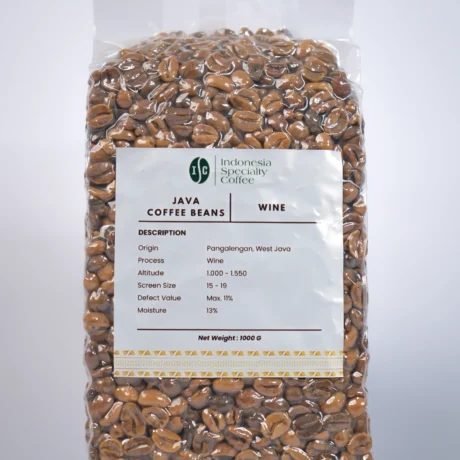
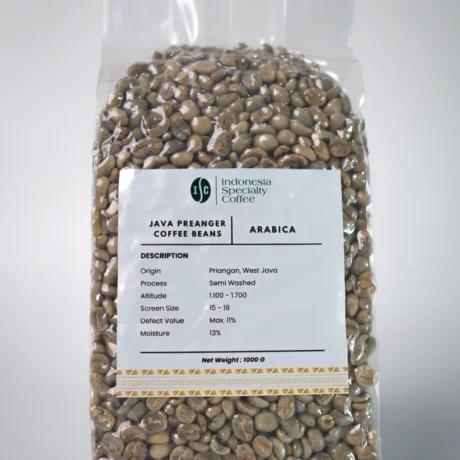
This is where it gets genuinely exciting for specialty coffee lovers. Beans grown at higher altitudes tend to develop more complex flavors but can vary in caffeine content based on variety, processing method, and soil composition. Indonesian beans, particularly from Sumatra, Java, and Flores are known for their bold, full-bodied character that performs beautifully in espresso.
Single Shot vs. Double Shot: Which Should You Choose?
Most espresso-based drinks at cafés use a double shot (doppio) as the standard base. If you order a latte or cappuccino, it almost always contains a double shot, meaning you are getting 120–150 mg of espresso shot caffeine in that drink before the milk even touches it.
Here is a quick decision guide:
- You want a gentle morning start → Single shot Americano with Arabica beans
- You need a focused mid-afternoon boost → Double shot flat white or cortado
- You want maximum energy → Double Robusta or Robusta-Arabica blend
- You love flavor but want less caffeine → Single shot with light-roasted Indonesian Arabica
How Indonesian Specialty Beans Change the Espresso Game
Indonesia sits right on the equatorial belt the so-called “Coffee Belt” giving it some of the most unique growing conditions on the planet. Volcanic soil, tropical humidity, and altitude create beans with a distinctive earthy, full-bodied profile that pairs exceptionally well with espresso extraction.
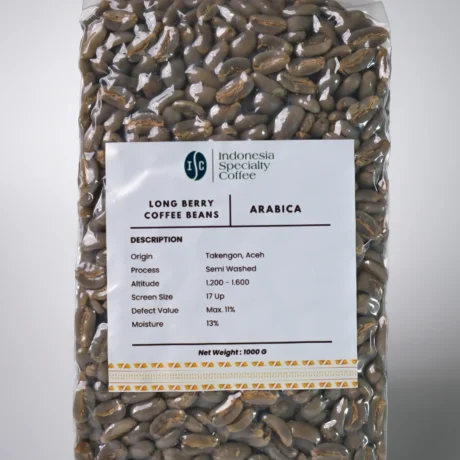
At Indonesia Specialty Coffee (SpecialtyCoffee.id), all green Arabica beans score above 80 on the SCA cupping protocol, with signature products reaching 83+ cupping scores certified by on-staff Q Graders. That level of quality directly impacts the final espresso shot: cleaner extraction, better-defined flavor, and a more consistent espresso shot caffeine delivery.
Featured Products from specialtycoffee.id
Here are some standout options worth exploring for espresso:
| Product | Origin | Profile | Best For |
|---|---|---|---|
| Green Arabica (Signature Grade) | North Sumatra / Multiple Regions | Full-bodied, earthy, chocolate notes | Espresso blends, pour-over |
| Indonesian Robusta | Sumatra | Bold, dark chocolate, heavy crema | Strong espresso, high-caffeine blends |
| Premium Arabica (83+ SCA Score) | Sumatra / Flores / Java | Bright, complex, balanced acidity | Single-origin espresso |
| Specialty Arabica Blend (Cupping 80+) | Indonesian archipelago | Smooth, nutty, low bitterness | Daily espresso, office use |
💡 Pro tip: If you are a roaster or café owner, blending Indonesian Robusta with a high-grade Arabica from specialtycoffee.id gives you a competitive espresso blend — rich crema, bold body, and a reliable espresso shot caffeine level that customers will come back for.
Common Questions About Espresso Shot Caffeine (Answered Simply)
Does espresso wake you up faster than coffee?
Yes, because it is consumed in a smaller volume, the caffeine absorbs faster relative to the amount of liquid in your stomach. The effect feels more immediate even though the total caffeine is similar.
Is espresso safe to drink every day?
Generally, yes. A daily double shot puts you at around 120–150 mg of caffeine well within the 400 mg daily threshold considered safe for most healthy adults.
Does decaf espresso still have caffeine?
It does, but very little, typically 2–15 mg per shot. It is not completely caffeine-free, so sensitive individuals should take note.
Does the water temperature affect caffeine?
Slightly. Hotter water extracts caffeine more efficiently. Specialty espresso machines typically brew between 90–96°C (194–205°F) for optimal extraction.
Conclusion
Understanding espresso shot caffeine is not just about the numbers, it is about making smarter choices for your energy, your health, and your daily coffee experience. The variety of bean, its origin, roast level, and dose all play a role in how much caffeine ends up in your cup. Once you understand these factors, you stop guessing and start brewing with intention.
If you are ready to take your espresso seriously, the foundation starts with great green beans. Indonesia Specialty Coffee at SpecialtyCoffee.id sources directly from Indonesia’s finest growing regions, every batch graded by a certified Q Grader to ensure you get consistent quality, outstanding flavor, and the kind of espresso shot caffeine experience that keeps customers coming back. Whether you are a home brewer, café owner, or wholesale roaster. Explore the full range of premium Indonesian green coffee beans at SpecialtyCoffee.id and taste the difference that specialty-grade sourcing truly makes!