On a busy cupping table, the smallest lots often spark the biggest conversations. When a fresh sample releases sweet tobacco, cedar, and a hint of citrus, buyers lean in. That reaction is one reason Sumatra Peaberry keeps appearing in buying plans for roasters and private label programs that want distinction without abandoning familiar Indonesian flavor cues.
In a lineup of Indonesian coffee beans, the best lots still need to prove themselves in the cup and on the balance sheet.
What Makes a Sumatran Peaberry Unique
Peaberries are not a separate variety; they are a natural mutation where a coffee cherry develops a single seed instead of two flat-facing seeds. In Northern Sumatra, that “one-in-the-cherry” quirk becomes more valuable because regional processing and climate naturally emphasize body and sweetness. Unlike some peaberry coffee that trades on novelty, well-managed Sumatran lots can deliver repeatable depth for commercial menus.
A well-sorted peaberry lot is typically denser and more uniform in shape than standard screen grades. For buyers, that can mean steadier heat transfer and fewer outliers.
Why Sumatra Peaberry Lots Roast Differently
A peaberry’s rounded form changes how it tumbles and how quickly heat penetrates the center. In practical roasting, many coffee roasters see better results with:
- Moderated early heat to avoid surface tipping
- Earlier airflow increases to keep smoke from masking sweetness
- Slightly tighter development to protect aromatics
Flavor Profile and Cup Characteristics
A strong Sumatra Peaberry offer tends to deliver the classic Sumatra coffee profile; depth, spice, and a “syrupy” texture, while showing extra focus when the lot is cleanly prepared.
Typical sensory markers include:
- Aroma: cocoa, sweet tobacco, cedar.
- Flavor: dark chocolate, molasses, clove, grapefruit zest.
- Body: heavy and coating.
- Finish: long, gently resinous.
For B2B buyers, the most important signal is balance. When sweetness holds through the finish and earthy notes stay clean, the coffee performs across espresso and filter SKUs.
Peaberry vs Regular Beans: Practical Differences
For sourcing teams, Sumatra Peaberry sits at the intersection of romance and reality: it is a specialty selection, but it still has to run through commercial workflows. The table below summarizes what changes when comparing peaberry selections to standard flats from similar districts.
| Attribute | Peaberry | Regular Beans |
|---|---|---|
| Shape | Rounded, single seed | Flat-facing paired seeds |
| Sorting | Screen + density sorting; more manual attention | Screen grades and sorting vary by supplier |
| Roast behavior | Often “quicker response” to heat | Often easier to match existing curves |
| Batch consistency | High when well-sorted | More dependent on grade control |
| Cup expression | Tighter, sometimes more aromatic | Broader, sometimes more rustic |
| Availability | Smaller lots; limited by natural occurrence | More stable volumes across harvests |
In production roasts, many teams start with their core Sumatra curve, then adjust one variable at a time. Common refinements include a slightly lower charge temperature and a modestly longer Maillard phase to build caramel notes without exaggerating earthiness.
Growing Regions and Processing Methods in Northern Sumatra
The story behind Sumatra Peaberry starts in highland communities across Aceh and North Sumatra. Altitude, drying infrastructure, and wet mill practices vary, which is why the lot’s traceability matters as much as the origin name.
Processing is the other major lever. Much of the region is known for wet-hulling (“giling basah”), where parchment is removed at higher moisture before further drying. Done well, it creates signature weight and spice; done poorly, it invites musty defects.
Choosing a Processing Style
Specialty coffee sourcing teams commonly see three lanes:
- Wet-hulled: heavier body and spice; needs disciplined drying and moisture control.
- Fully washed: cleaner structure and brighter acidity; often more “international” in style.
- Natural/honey: can add fruit sweetness but requires careful fermentation management.
A capable supplier should specify the process, target moisture, and how the lot was stabilized before export.
Quality Grading Standards Buyers Should Expect
In professional procurement, Sumatra Peaberry should be bought on data as much as on story. Many buyers use Specialty Coffee Association (SCA) green grading practices as a baseline, then tighten specs for premium arabica programs.
A thorough quality packet typically includes:
- Screen range for peaberry selection and density notes.
- Moisture and water activity results.
- Defect analysis and outturn information from the dry mill.
- Pre-shipment sample approval tied to the export lot code.
- Traceability: producer group, village, wet mill, and milling/export partner.
Quality Control Checkpoints That Protect Margins
Experienced green coffee importers look for repeatable controls, including:
- Clean, odor-free container loading and documentation accuracy.
- Protective liners (e.g., GrainPro or equivalent) and intact pallet wrap.
- Arrival sampling matched against the pre-ship profile.
Buyers who operate on strict internal standards often request a target moisture near 10–12% and water activity under roughly 0.60, alongside a defined maximum for primary defects. Those numbers are not marketing; they are practical safeguards that reduce the risk of quakers, baggy flavors, and transit-related spoilage.
Why It Matters for Specialty Coffee Businesses
For a roaster competing in a crowded market, Sumatra Peaberry offers practical differentiation. It delivers a recognizable Indonesian base while giving sales teams a defensible story: careful sorting, traceability, and repeatable cupping performance.
It is especially useful for:
- Espresso blends that need body and depth without harshness.
- Limited releases that still fit mainstream palates.
- Private label blends where consistency protects contract renewals.
Wholesale and Sourcing Considerations
Buying Sumatra Peaberry at scale requires planning beyond the sample. Because peaberry yields are limited and sorting is labor-intensive, buyers do better when they define specs early and align on logistics with their supplier and importer.
A disciplined sourcing process often looks like this:
- Define the target cup profile and acceptable processing style.
- Request specs: screen, moisture, water activity, and defect tolerances.
- Cup multiple pre-ship samples and run a small sample roast.
- Confirm packaging, palletization, and container loading standards.
- Align Incoterms, insurance, and documentation with internal SOPs.
- Approve a final loading sample matched to the export lot code.
- Build an inventory buffer for transit variability.
Pricing and Contract Details of Sumatra Peaberry
Peaberry lots typically carry a premium due to lower yield and additional sorting. Strong contracts clarify sensory match expectations, objective thresholds, and a claims process tied to measurable factors (moisture, water activity, defects, and sample-lot alignment).
Supply Stability and Demand Trends
Because peaberries occur naturally and in limited proportions, Sumatra Peaberry is rarely as plentiful as standard grades. Demand has climbed as more roasters seek origin-specific selections that feel special but still roast predictably.
Supply stability is shaped by:
- Rainfall patterns that affect drying windows.
- Wet mill throughput and labor availability for sorting.
- Freight volatility during peak shipping cycles.
Programs that depend on it year-round often hedge by booking forward volumes or qualifying a second lot with matching specs.
Ideal Buyers and Best-Fit Programs
The best Sumatra Peaberry programs start with clear intent. It fits buyers who want depth and texture, but also insist on structure, traceability, and repeatability.
Typical best-fit buyers include:
- Coffee roasters building espresso blends or seasonal single origins.
- Distributors supplying accounts that prefer classic flavor sets.
- Private label brands needing a premium arabica component with a dependable story.
- Cafes seeking a feature coffee that remains approachable.
Why Partner with a Reliable Supplier
In the real world, Sumatra Peaberry succeeds or fails on execution. Reliable partners invest in mill relationships, pay for better sorting, and document each handoff in the supply chain. They make verification easy through lot codes, consistent sample matching, and transparent communication when a lot deviates from target.
Strong partnerships typically include:
- Repeatable QC at origin and upon arrival.
- Clear documentation for audits and customer transparency.
- Stable logistics support, from consolidation to container booking.
- Honest guidance on what a specific lot can and cannot deliver.
Next Steps for Buyers to Purchase Sumatra Peaberry
For roasters, importers, and brand owners evaluating a Sumatra-origin peaberry selection, the smartest move is to begin with clear specifications and a realistic volume strategy. When suppliers align approved samples with shipped lots and back quality claims with transparent data, the coffee becomes easier to position, market confidently, and reorder consistently.
Secure your premium Sumatra peaberry today through SpecialtyCoffee.id and work with a team committed to verified quality, responsive service, and dependable supply. Request current stock details, cup profiles, and pricing options, then move forward with confidence by partnering with a trusted Indonesian specialty coffee source for long-term success!
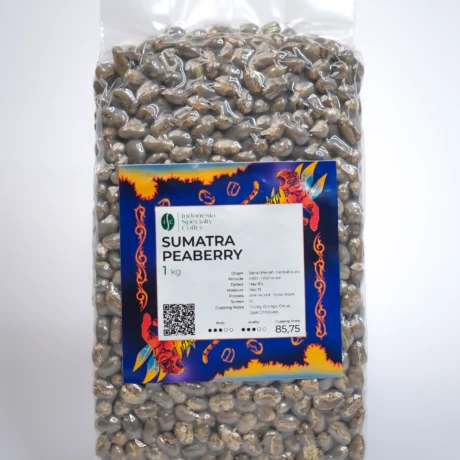
Sumatra Super Peaberry Green Coffee Beans
Sumatra Super Peaberry Green Coffee Beans come from rare single-seed…