
Mucilage in coffee is the sticky, sugar-rich layer that sits between the cherry skin and the parchment around each bean. How much of it a producer removes, and when, is the single decision that separates a washed lot from a honey or natural lot. At Indonesia Specialty Coffee, mucilage handling is also what we quote against: it moves our FOB Belawan price by several dollars per kilogram.
This guide covers what mucilage is made of, how much stays on the bean in each process, how Indonesian wet-hulling handles it differently, and what all of that means for the green coffee you buy and the price you pay for it.
Last updated: 09 September 2026
What Is Mucilage in Coffee?
Mucilage in coffee is the mesocarp of the cherry, a layer roughly 2 mm thick that clings to the parchment once the outer skin has been pulped. It makes up about 14.8% of the fresh cherry weight, held in place by pectin, the same gelling compound that sets jam.
The composition of coffee mucilage explains why it drives so much of what happens during drying.
| Component | Share of mucilage |
|---|---|
| Water | 84.2% |
| Protein | 8.9% |
| Reducing sugars | 4.1% |
| Pectic substances | 0.91% |
| Ash | 0.7% |
Those reducing sugars are the fuel. Every fermentation outcome in coffee, good or bad, begins with yeasts and bacteria feeding on that 4.1%.
One detail you only notice handling cherry at origin: the mucilage-to-water ratio rises with altitude. Cherries from our partner farms in the Gayo Highlands of Aceh Tengah and Bener Meriah, at 1,400 to 1,800+ metres, carry denser and stickier mucilage than lowland Robusta cherries out of Lampung. Denser mucilage breaks down more slowly, which is why a fermentation schedule that works at a lowland mill will underferment a highland lot.
How Much Mucilage Stays on the Bean
The processing name printed on a green coffee spec sheet is really a statement about mucilage retention. Full-washed coffee retains none of it. Natural coffee retains all of it. Honey process coffee covers everything in between, and producers set the dial by calibrating a mechanical demucilager or by delaying the first turn on the drying bed.
| Process | Mucilage retained | Typical drying | Cup character |
|---|---|---|---|
| Full-washed | 0% | 6 to 10 days | Clean, high clarity, pronounced acidity |
| White / yellow honey | 10 to 50% | 8 to 12 days | Mild sweetness, light stone fruit |
| Red honey | 50 to 75% | 12 to 14 days | Brown sugar, plum, syrupy body |
| Black honey | 75 to 100% | Up to 21 days | Dense sweetness, soft acidity, fruit-forward |
| Natural process | 100%, skin intact | 14 to 25 days | Berry, ferment notes, heavy body |
Treat the colour labels as a spectrum, not a standard. No certifying body governs them. A red honey from Costa Rica and a red honey from Java can sit 20 percentage points apart on retention, which is why two lots with the same label can cup nothing alike. So stop buying the colour. Ask your supplier for the retention figure and the drying days.
Every ISC lot is quoted with its cherry method and hulling method stated separately, so you know what you are roasting before it ships. Current figures are on the ISC pricelist.
Mucilage, Fermentation, and Where Lots Go Wrong
Mucilage is where coffee fermentation actually happens. Once the cherry is pulped, wild yeasts and lactic acid bacteria convert the sugars into organic acids, esters, and alcohols. In full-washed processing that stage runs 1 to 3 days in tanks before the parchment is washed clean.
The window is narrow in both directions. Stop too early and the mucilage has not fully broken down. The parchment still feels slippery between your fingers, residual sugar holds moisture, and the lot cups flat and turns mouldy in storage. Run too long and acetic and tartaric acids climb, which a cupper reads as sour, boozy, or fermented.
Under the SNI 01-2907-2008 grading system, neither outcome is a matter of style. Fermented and mouldy beans carry defect values that push a lot past the Grade 1 ceiling of 11 defect points and down into commercial grade, where it loses roughly two dollars per kilogram. Mucilage mismanagement is a grading problem before it reaches your cupping table. If a lot arrives with muted sweetness and a faint sourness you cannot roast out, check the defect count and the moisture reading before you blame your profile.
Mucilage in Indonesian Coffee: The Two-Step Framework
Indonesian processing is described in two steps, and mucilage sits on the boundary between them. Step 1 is the cherry method. Step 2 is the hulling method. Giling Basah belongs to Step 2 only, which is why it never describes a lot on its own.
| Origin | Step 1: cherry method | Step 2: hulling method |
|---|---|---|
| Gayo, Mandheling, Lintong, Toraja, Flores | Semi-washed or full-washed | Wet-hulled (Giling Basah) at 35 to 40% moisture |
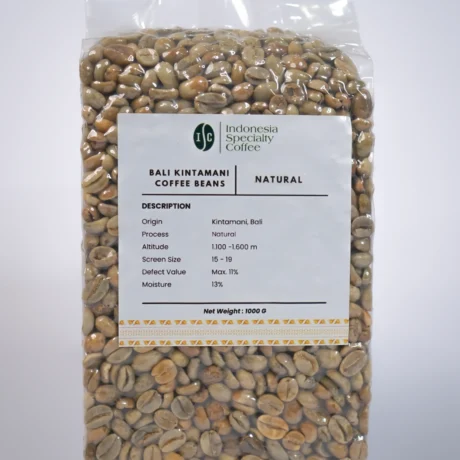
| Bali Kintamani, Java | Full-washed, honey, or natural | Dry-hulled at 12 to 13% moisture |
On the wet-hulled route, mucilage is stripped early during washing, so retained mucilage is not the source of Sumatra’s character. The character comes from Step 2. Hulling the parchment at 35 to 40% moisture exposes a bean that is still soft, and finishing the dry from that point is what produces the low acidity, heavy body, and cedar and dark chocolate notes buyers expect from Gayo Arabica green coffee beans.
Honey and natural lots from Bali and Java run the opposite way. The mucilage stays on through the entire dry, and hulling waits until the bean reaches 12 to 13%. Same country, opposite handling of the same layer.
What Mucilage Retention Means for Your Green Coffee Price
Mucilage retention changes what a lot costs to produce, so it changes what you pay. Longer drying occupies bed space for weeks, raises rejection risk, and yields smaller lots.
Current ISC pricing for Grade 1 Arabica, FOB Belawan:
| Step 1: cherry method | Step 2: hulling | Price per kg |
|---|---|---|
| Semi-washed | Wet-hulled (Giling Basah) | $8.00 to $10.00 |
| Full-washed | Dry-hulled | $9.50 to $11.00 |
| Honey process | Dry-hulled | $11.00 to $16.00 |
| Natural process | Dry-hulled | $11.00 to $16.00 |
Frequently Asked Questions
What is mucilage in coffee?
Mucilage is the sticky, sugar-rich layer between the coffee cherry skin and the parchment surrounding the bean. It measures about 2 mm thick and makes up roughly 14.8% of fresh cherry weight. How much of it a producer leaves on during drying determines whether the lot is washed, honey, or natural.
What is coffee mucilage made of?
Coffee mucilage is 84.2% water, 8.9% protein, 4.1% reducing sugars, 0.91% pectic substances, and 0.7% ash. Pectin makes it cling to the parchment. The reducing sugars feed the yeasts and bacteria during fermentation, producing the acids and esters that shape the final flavour.
How does mucilage change the flavor of coffee?
More mucilage left on the bean means more sugar available for fermentation during drying, which builds sweetness and body. Full-washed lots retain none and cup clean with pronounced acidity. Natural lots retain all of it and cup fruit-forward and heavy. Honey lots land between the two.
Is mucilage removed in Indonesian wet-hulled coffee?
Yes. In wet-hulled Indonesian coffee, mucilage is removed early during semi-washed or full-washed processing. Giling Basah is the hulling step, not the cherry step. Sumatra’s low acidity and heavy body come from hulling parchment at 35 to 40% moisture, not from retained mucilage.
Does more mucilage make green coffee more expensive?
Yes. Honey and natural lots need 12 to 25 days of drying against 6 to 10 for washed, which ties up drying beds and raises rejection risk. ISC quotes semi-washed wet-hulled Grade 1 Arabica at $8.00 to $10.00 per kg, and honey or natural at $11.00 to $16.00.
Source Indonesian Green Coffee from Indonesia Specialty Coffee
Indonesia Specialty Coffee grades and exports Grade 1 Indonesian green coffee from Medan, North Sumatra. Every lot we quote names the cherry method and the hulling method separately, so you know exactly how the mucilage was handled before you build a roast profile around it. Grade 1 lots cup at 82 to 88 SCA points, ship FOB Belawan, and are Halal certified, with Organic and Rainforest Alliance available on request.
Order at 1 kg for cupping evaluation, 60 kg for microlot pricing, 350 kg for standard wholesale, or from 9 MT for container loads.
Check the current pricelist or contact our team for a quote against your roast profile. Sample orders are open to new buyers.