Put the same lot on a roaster, and you can take it two ways: a touch darker for espresso, a touch brighter for filter. An omni roast refuses to choose. It is a single roast profile built to work as both espresso and filter coffee without you re-roasting or re-buying.
That is the whole idea. The word comes from the Latin omnis, meaning all: one roast for all brew methods. In practice, an omni roast lands in the middle of the spectrum, usually around medium to medium-light, developed enough to carry body under pressure but kept bright enough to stay clean in a pour-over. It is convenient, it is flexible, and it asks you to give up a little peak performance on each side to get it. This article covers what an omni roast is, its real advantages, when to reach for one, where it sits against every other roast level, who started the trend, and which green coffees actually take an omni roast well.
Last updated: August 2026
What Is an Omni Roast, Exactly?
An omni roast is one roast profile designed to brew well as both espresso and filter coffee, instead of a separate espresso roast and a separate filter roast. It usually sits medium to medium-light: developed enough to give body and sweetness under espresso pressure, light enough to keep the acidity and clarity that filter brewing rewards. One bag, every brew method.
The name is the clearest part. Omni is Latin for “all,” so an omni roast is the all-brew-methods roast. Behind the name is a real roasting decision. Espresso traditionally wants a slightly darker, more soluble roast, so a 25-second shot extracts evenly without screaming sour. Filter traditionally wants a lighter roast, so the longer contact time pulls out brightness and origin character without going flat. An omni roast aims for the overlap between those two targets.
Here is the part most descriptions skip. An omni roast is not a fixed temperature or a fixed color. It is an intent. Two roasters can both call a coffee “omni” and land in slightly different places, because the right middle depends on the bean. A dense, high-grown washed coffee can be taken a hair lighter and still pour espresso. A softer, lower-density bean needs a touch more development to hold up in the basket. So when someone hands you an “omni roast,” the useful question is not “what is omni” but “what did they build this omni around?”
What Are the Advantages of an Omni Roast?
The main advantage of an omni roast is flexibility from a single roast: one coffee that works on the espresso machine and the pour-over without compromise on safety, inventory, or training. For a cafe, it means fewer SKUs to roast, stock, and dial in. For a home drinker, it means one bag that follows you from morning espresso to afternoon V60.
Inventory is the quiet win. A roaster running separate espresso and filter profiles on the same green coffee is effectively holding two products, two dial-in routines, and two ways to end up with stale stock. Collapse that into one omni profile, and you roast more or fewer things, which usually means fresher coffee on the shelf and less guesswork at the grinder.
For the person drinking it, the appeal is simpler. Most home setups are not one-method households. You might pull a shot before work and brew a batch on the weekend. An omni roast means you are not buying two bags, watching one go stale while you finish the other. Buy one, brew it however the morning goes.
There is a clarity benefit, too, for cafes. A barista who only has to dial in one roast across both bar and brew bar makes fewer mistakes under a morning rush. Fewer variables, steadier cup. That consistency is worth more to a busy shop than the last two points of theoretical peak flavor.
When Should You Choose an Omni Roast?
Choose an omni roast when versatility matters more than maximum performance on a single brew method. It suits multi-method cafes, home drinkers who switch between espresso and filter, and roasters who want to simplify a lineup. Skip it when you are building a dedicated espresso bar or showcasing a delicate filter-only single origin where every point of clarity counts.
If you run a cafe with both an espresso machine and a batch brewer or pour-over station, an omni roast is often the practical default for your house coffee. One roast, one dial-in, both stations covered. Keep dedicated profiles for a rotating single-origin filter or a signature espresso if you want a flagship, but the workhorse can be omni.
If you brew at home and your week includes more than one method, Omni is the low-stress choice. You stop maintaining two open bags. The shot will not be quite as syrupy as a dedicated espresso roast, and the pour-over will not be quite as bright as a dedicated filter roast, but both will be good, and “both good from one bag” beats “one perfect, one stale.”
If you are chasing the absolute ceiling on a single method, do not use an omni roast. A competition espresso program or a filter-only menu built around delicate, high-grown washed lots will both do better with dedicated profiles. The whole point of omni is the middle, and the middle is not where records get set.
Roast Levels Explained: Where Omni Sits
Roast levels run from light to charcoal, defined mainly by how far past the two “cracks” the bean goes. The first crack is an audible pop as the bean expands; the second crack is a finer, faster crackle deeper into the roast. An omni roast almost always lands between the end of first crack and well before second crack, in the light-to-medium and medium band.
A quick word on the cracks, because the whole spectrum hangs off them, and our green coffee bean roasting guide walks through them in more detail. First crack happens roughly around 196 to 205°C as steam and pressure split the bean. Stop near it, and you have a light roast. Second crack, deeper and drier, starts around 224 to 230°C as the bean’s structure breaks down further. Roast into and past it, and you are in dark-roast territory. Temperatures vary by machine, batch size, and bean, so treat the numbers below as signposts, not law.
| Roast level | Rough bean temp | Crack stage | Surface | Taste signature | Omni fit |
|---|---|---|---|---|---|
| Light | 180-205°C | At / just after first crack | Dry, light brown | High acidity, tea-like, loud origin character | Too bright and underdeveloped for reliable espresso |
| Light to medium | 205-215°C | After first crack | Dry, medium brown | Bright but rounder, fruit and florals, light body | Workable omni for dense washed lots; espresso needs care |
| Medium | 210-220°C | First crack done, before second | Dry to faint sheen | Balanced acidity and sweetness, caramel, real body | The classic omni home |
| Medium to dark | 220-228°C | Edge of second crack | Light sheen of oil | Lower acidity, chocolate, fuller body | Omni leaning espresso; fine for shops that want a rounder bar coffee |
| Dark | 228-240°C | Into second crack | Oily, shiny | Bittersweet, smoky, roast flavor over origin | Past the omni window; this is a dedicated dark/espresso choice |
| Charcoal / Italian | 240°C+ | Well past second crack | Very oily, near black | Carbon, ash, almost no origin left | Not an omni roast in any sense |
Read down that table, and the logic of omni is obvious. It lives in the light-to-medium and medium rows because that is the only place a roast can still satisfy both targets. Push lighter and espresso turns sour and stalls in the basket. Push darker and the brightness that makes filter worth drinking burns off, and you are left with roast flavor that tastes the same no matter what you brewed it in.
Charcoal roast, the darkest end, sometimes called Italian roast, is the clearest counterexample to omni. At that point the bean is nearly all roast and almost no origin. It is built for one job, a heavy traditional espresso or a robust milk drink, and it does that job by erasing the differences omni roasting is trying to preserve. Useful coffee, opposite philosophy.
Who Invented Omni Roast?
No single person invented omni roasting. It emerged as a practice within the specialty coffee scene over the 2010s, as micro-roasters and multi-method cafes looked for one roast profile that could serve espresso and filter from the same bag. The term omni, from Latin for “all,” was adopted to describe that approach rather than credited to one inventor.
This is worth stating plainly because the internet likes a tidy origin story, and there is not one here. What there is: a shift in how specialty coffee was sold and brewed. As pour-over and batch brew grew alongside espresso in the same shops, and as small roasters started selling directly to home customers who owned both an espresso machine and a dripper, the demand for a do-everything roast grew on its own. Roasters who had been keeping two profiles per coffee started asking why, and “omni” became the shorthand for the answer.
If you want a longer lineage, the medium, balanced roast that omni aims for is not new at all. Roasters have chased a versatile middle for as long as people have roasted coffee for more than one brew method. The word is recent. The idea of a sensible middle roast is old.
Which Coffees Work Best for Omni Roast?
The best coffees for an omni roast are dense, high-grown lots with balanced sugars and enough structural integrity to survive a medium roast without going flat. Washed coffees with clean acidity and a solid body, and well-processed naturals with stable sweetness, both omni well. Very soft, low-density beans and aggressively fruity ferments are harder to keep balanced across two brew methods.
Density does most of the work. A high-grown washed coffee, say an Ethiopian or a high-altitude Central American, is hard enough to take heat evenly and hold its acidity into a medium roast, so it stays bright for filter while developing enough sugar for espresso. That clarity-plus-body combination is the textbook omni candidate. Naturals can work too, as long as the fruit is clean and stable rather than boozy; a wild, over-fermented natural tends to taste great one way and muddled the other.
Here is where origin actually changes the playbook, and where most omni guides go quiet. Indonesian coffees from Sumatra and Sulawesi are usually semi-washed, then wet-hulled (Giling Basah), where the parchment is stripped while the bean is still soft and wet at 35 to 40 percent moisture. That process, a response to a rainy-season climate that never gives you a clean drying window, produces a low-acid, heavy-bodied bean with a flat, often jade-colored, irregular shape. It behaves differently in the roaster than a dense washed bean. It conducts heat unevenly, browns fast, and tempts you toward the dark end.
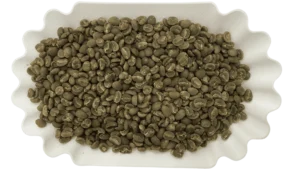
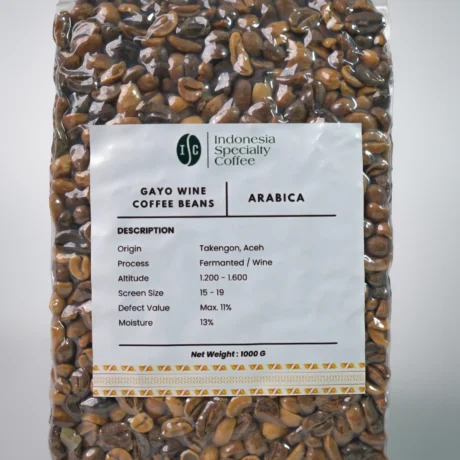
We have cupped the same Gayo lot taken to a filter-leaning medium and an espresso-leaning medium-dark side by side. The lighter version kept a cedar-and-brown-sugar lift and a faint herbal top note; the rounder version traded that for more chocolate and a thicker body that loved milk. Both were good. Neither was it a true bright filter coffee, because that is not what wet-hulled Sumatra is. For an omni profile on a coffee like this, you are not chasing the clarity an Ethiopian gives you. You are building around the body, and the “omni” question becomes how much original character you can keep before the roast flavor takes over.
That is the supplier-side detail worth carrying away: an omni roast is only as versatile as the green allows. A clean, washed lot gives you a wide omni window. A dense wet-hulled Indonesian gives you a narrower one, weighted toward espresso and milk, and you roast it knowing that.
The Honest Trade-Off: What You Give Up
An omni roast never wins the comparison on either side. Put it next to a dedicated espresso roast on an espresso machine, and the espresso roast will pull a rounder, sweeter, more forgiving shot. Put it next to a dedicated filter roast in a pour-over, and the filter roast will be brighter and more articulate. You trade the top of both ranges for one bag that does both jobs well.
That is the deal, stated without hedging. Omni roasting is a compromise by design, and a compromise means giving something up. What you give up is the last ten or fifteen percent of peak performance at each extreme. A competition barista dialing for one specific espresso, or a filter geek chasing every floral note out of a Gesha, should not be using an omni roast, and most of them are not.
What you get in return is real, though, and worth being honest about too. One roast that pours a genuinely good shot and a genuinely good filter, with less inventory, less dial-in, and less waste, is the right answer for the large majority of cafes and home drinkers. The mistake is not choosing Omni. The mistake is choosing omni and then being disappointed it is not also the best espresso you have ever pulled. It was never going to be. That was the trade you made.
What This Means for Roasters and Buyers
If you are a roaster, an omni profile is a lineup decision, not a default for every coffee. Use it for your workhorse and house blends where versatility and consistency pay the bills. Keep dedicated profiles for the flagship espresso and the showcase single origin, where the extra performance is the point. And match the omni to the green: a clean washed coffee gives you room to play, a dense wet-hulled lot narrows the window and pushes you toward body.
If you are a buyer sourcing green for an omni program, prioritize density, clean processing, and balanced sugars over flashy fruit. Ask the supplier for the current crop year, the full two-step process (cherry method plus hulling method), a recent cupping score, and the bean density or screen size if they track it. A coffee that is structurally sound and cleanly processed will give you a forgiving omni roast. A coffee bought on flavor notes alone might roast beautifully one way and fall apart the other.
Frequently Asked Questions
What does omni roast mean in coffee?
Omni roast means a single coffee roast profile built to work as both espresso and filter coffee. The name comes from the Latin omnis, meaning “all,” so it is the all-brew-methods roast. It usually sits at a medium to medium-light level, balanced between the brightness filter wants and the body espresso needs.
Is Omni Roast light, medium, or dark?
An omni roast is almost always in the light-to-medium and medium bands. It falls after the first crack and well before the second crack, the only band where a roast can stay bright enough for filter while developing enough body and sweetness for espresso. It is never a dark or charcoal roast, which loses the clarity omni roasting tries to keep.
What is the advantage of an omni roast?
The main advantage is flexibility from a single roast: one bag that brews well as espresso and as filter. For cafes, that means fewer SKUs, simpler dial-in, and less waste. For home drinkers, it means one coffee that handles every brew method, so you are not buying and stocking two separate bags.
Who invented omni roasting?
No single person invented omni roasting. It emerged as a practice in the specialty coffee scene during the 2010s, as micro-roasters and multi-method cafes wanted one roast that could serve both espresso and filter. The term omni, Latin for “all,” was adopted to describe the approach rather than credited to an inventor.
Which coffees are best for Omni Roast?
Dense, high-grown coffees with balanced sugars work best, because they take a medium roast evenly and hold both acidity and body. Clean washed coffees and stable naturals are reliable choices. Dense wet-hulled Indonesian coffees omni well toward the body-and-espresso side, while very soft or heavily fermented beans are harder to balance.
Is an omni roast as good as a dedicated espresso or filter roast?
Not at the extremes. A dedicated espresso roast pulls a better shot, and a dedicated filter roast brews a brighter cup. An omni roast gives up the top of both ranges to do both jobs from one bag. For most cafes and home drinkers, that trade is worth it; for single-method perfectionists, it is not.
If You Want to Omni Roast an Indonesian Lot
Whatever supplier you use, ask for the current crop year, the full two-step process description, and a recent cupping score before you commit to a bag, let alone a pallet. For an omni roast, also ask how the lot behaves under heat, because a dense wet-hulled coffee roasts nothing like a washed one.
If you want to test an Indonesian omni profile, Indonesia Specialty Coffee ships 1 kg cupping samples of the Gayo and other lots we export from Sumatra, so you can roast them both ways yourself before you scale up.