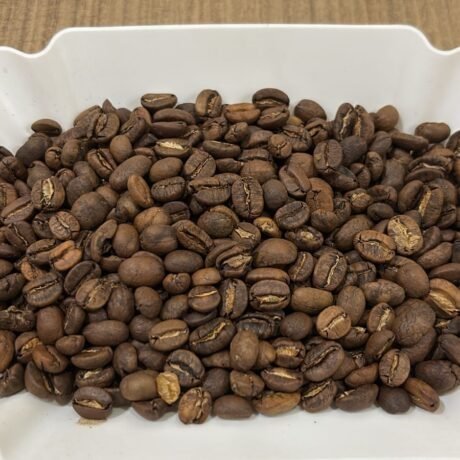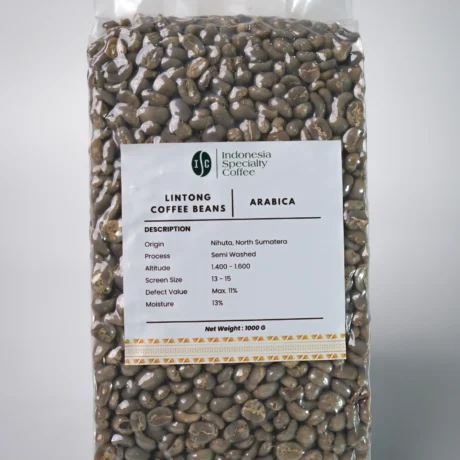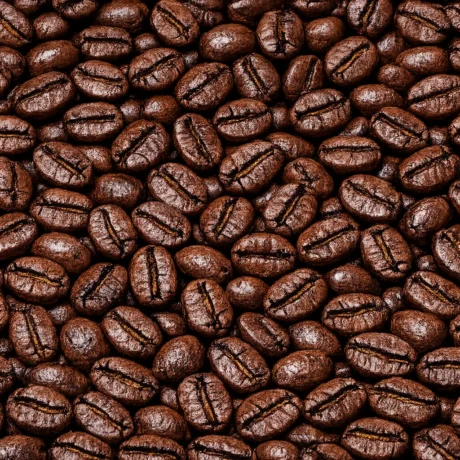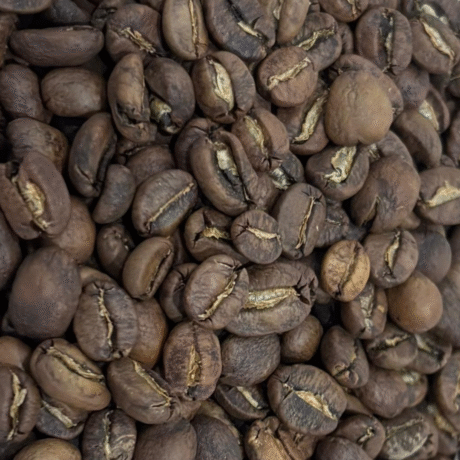

Yes, you can take coffee beans on a plane. The TSA treats roasted beans, ground coffee, and instant coffee as solid food, so all three travel in carry-on and checked baggage with no quantity limit. The complications start after security, at customs, where customs authorities treat green (unroasted) beans, coffee cherries, and Kopi Luwak very differently.
This guide covers the TSA screening rules that apply, what USDA APHIS permits at US ports of entry, how Australia and the EU treat roasted versus green coffee, and how to pack beans so they arrive intact. If you are a roaster carrying cupping samples home from origin, the last two sections are for you.
Last updated: 02 September 2026
Can I Take Coffee Beans on a Plane?
Yes. The TSA permits coffee beans on a plane in both carry-on and checked baggage, in unlimited quantities, on domestic flights and on international flights departing the United States. Roasted whole beans, ground coffee, instant coffee, and green (unroasted) beans all clear TSA screening as solid food items.
One rule governs screening. The TSA screening rules for coffee require you to take powders and powder-like substances over 12 ounces (350 mL) out of your bag and put them in a separate bin for X-ray screening. Ground coffee falls under that rule. Whole beans generally do not, because they scan cleanly.
The final decision belongs to the officer at the checkpoint. Sealed, labelled, accessible packaging keeps that decision quick.
TSA Rules for Coffee in Carry-On and Checked Baggage
TSA screening rules for coffee depend on the form it takes, not the quantity. Solid coffee travels freely; liquid coffee does not. The table below covers every form travellers commonly pack.
| Form of coffee | Carry-on | Checked | Screening note |
|---|---|---|---|
| Roasted whole beans | No limit | No limit | Scans cleanly; officers rarely pull it aside |
| Ground coffee | No limit | No limit | Over 12 oz / 350 mL goes in a separate bin |
| Instant coffee | No limit | No limit | TSA treats it as a powder above the same threshold |
| Green (unroasted) beans | No limit | No limit | Clears TSA; customs is the real checkpoint |
| Brewed coffee or cold brew | 3.4 oz / 100 mL max | No limit | Buy it past the checkpoint instead |
| Manual grinder, AeroPress, press | Yes | Yes | Officers may swab blade grinders |
Carry-on is the better choice for anything you care about. Airlines pressurise cargo holds but do not control their temperature, and checked bags absorb the handling that crushes valve bags. Keep the coffee near the top so you can lift it out in one motion.
Sourcing green coffee rather than carrying it home? Indonesia Specialty Coffee ships green beans from Medan under full export documentation. See the ISC pricelist or contact our team for a quote.
Bringing Green (Unroasted) Coffee Beans Through Customs
Green coffee beans are where travellers actually lose their coffee, and agriculture departments write these rules, not security screeners. USDA APHIS permits travellers to bring unlimited quantities of green coffee beans through any port of entry in the continental United States. Two exceptions decide most cases:
- Hawaii and Puerto Rico bar green beans. APHIS prohibits unroasted coffee from entering or transiting either one. A connection through Honolulu or San Juan counts as transiting, which catches people out.
- Quarantine pests mean seizure. If inspectors find quarantine pests in green beans, they seize and destroy the coffee. They are looking for Hypothenemus hampei, the coffee berry borer.
APHIS prohibits whole coffee cherries at every US port of entry. The pulp presents an exotic fruit fly risk, so a bag of dried cherries from a farm visit will not enter anywhere in the United States. A separate rule bars coffee seeds and plant parts for planting from Hawaii and Puerto Rico.
Declare all of it. USDA states plainly that a traveller who declares agricultural products faces no penalty even when an inspector rules the product inadmissible. The penalty attaches to the failure to declare, not to the coffee itself.
Coffee Import Rules by Country: Roasted, Green, and Kopi Luwak
Customs rules for coffee diverge sharply outside the United States, and more than one market treats Kopi Luwak as its own category. The table covers the three destinations buyers travel through most.
| Destination | Roasted coffee | Green (unroasted) beans | Kopi Luwak |
|---|---|---|---|
| United States | No limit; declare at entry | No limit in the continental US; APHIS bars entry and transit via Hawaii and Puerto Rico | Follows roasted or green rules by form; declare |
| Australia | Up to 10 kg personal use; declare | Requires a phytosanitary certificate; DAFF inspects on arrival | DAFF requires roasted, commercially packaged, 1 kg cap; inspects on arrival |
| European Union | Counts as processed food; no phytosanitary certificate | Counts as a plant product under Regulation (EU) 2019/2072; expect a phytosanitary certificate | Follows roasted or green rules by form |
Australia is the strictest of the three. Roasted coffee is fine up to 10 kg, but that allowance excludes civet coffee. Australia requires wild-certified Kopi Luwak to arrive roasted and commercially packaged, caps it at 1 kg, and inspects it regardless. Check the current case in BICON before you fly.
Green beans into Australia require a phytosanitary certificate, and in practice so do green beans into the EU. The exporting country’s plant protection authority issues that document before departure, and nobody can issue it after you land. That timing problem destroys more hand-carried green samples than anything else. [Confirm current DAFF and EU member state conditions before publishing.]
How to Pack Coffee Beans So They Survive the Flight
Packing coffee for a flight is a moisture and pressure problem, not a space problem. Roasted coffee sits at roughly 2 to 4 percent moisture and green coffee at 10 to 12.5 percent. Both will pull moisture from humid hold air if a seal fails.
- Use one-way valve bags. Freshly roasted coffee off-gasses CO2 for two to three weeks. A valve vents it as cabin pressure drops on ascent, which stops the bag ballooning and splitting at the seam.
- Keep it opaque and foil-lined. UV light degrades flavour compounds. A clear bag in a window seat is a slow problem you will taste later.
- Keep original packaging, or label what you decant. A sealed retail bag with a printed label answers the question before the officer asks it. “Roasted coffee, 250 g” on a mason jar does the same job.
- Double-bag green coffee. Wet-hulled Sumatran lots, semi-washed or full-washed at the cherry stage and then wet-hulled (Giling Basah) at 35 to 40 percent moisture, shed far more loose chaff than dry-hulled coffees. Chaff in a suitcase reads as organic debris to an inspector.
On arrival, keep beans sealed, cool, and out of sunlight, as you would at home. Our guides on how to store coffee beans and why a coffee canister matters cover this. Skip the minibar fridge: condensation does more damage than the ambient heat you are avoiding.
Carrying Green Coffee Samples as a Roaster or Importer
Roasters and importers visiting Indonesian origin routinely fly home with cupping samples in their luggage, and the practical limits differ from a souvenir bag of roasted coffee. A hand-carried sample works cleanly up to roughly 2 to 5 kg. Past that, two things work against you: airline weight allowances, as low as 7 kg for carry-on on regional Asian carriers, and the appearance of commercial intent at the customs desk.
Above that, ship it. A declared consignment with a phytosanitary certificate, certificate of origin, and packing list clears faster than an oversized personal allowance, and it does not wait on your return flight. Our shipping and logistics terms and sample policy set out what accompanies each tier.
One thing worth knowing before you cup what you carried home. A sample that transited a humid layover and sat in a checked hold arrives at a different moisture content than the lot it came from, and it cups flatter than the coffee really is. If a purchase rests on that sample, ask your exporter to ship a sealed duplicate and cup the two side by side.
Frequently Asked Questions
Can I bring coffee beans in my carry-on bag?
Yes. TSA permits roasted beans, ground coffee, and green beans in carry-on baggage with no quantity limit. You must place ground coffee over 12 ounces in a separate bin for X-ray screening. Keep the bag near the top of your luggage so you can remove it quickly.
How much coffee can I bring on a plane?
TSA sets no quantity limit on coffee in carry-on or checked baggage. The real constraints are your airline’s weight allowance, often as low as 7 kg for carry-on, and the destination’s customs rules. Australia caps roasted coffee at 10 kg for personal use.
Can you take green coffee beans on a plane?
Yes. Green coffee beans clear TSA screening and enter the continental United States in unlimited quantities. APHIS prohibits them from entering or transiting Hawaii and Puerto Rico, and Australia requires a phytosanitary certificate that your exporter obtains before departure. Declare them at every border you cross.
Do I need to declare coffee beans at customs?
Yes, always. Coffee is an agricultural product at every border. USDA confirms that travellers who declare agricultural products face no penalty even when an inspector refuses entry. Penalties apply only to undeclared items, so declaring costs you nothing and protects you from a fine.
Can I bring Kopi Luwak on a plane?
Yes, with restrictions in some markets. Australia requires Kopi Luwak to arrive roasted and commercially packaged, caps personal imports at 1 kg, and inspects every consignment on arrival. Australia’s standard 10 kg roasted coffee allowance excludes civet coffee entirely, so declare it separately.
Will TSA open my sealed coffee bag?
Possibly. Officers may swab packaging for residue or ask you to open it, most often with ground coffee over 12 ounces. Whole beans scan cleanly, so officers pull them aside less often. Original sealed packaging with a visible label speeds up the check.
Order Indonesian Green Coffee Beans from Indonesia Specialty Coffee
Indonesia Specialty Coffee is a green coffee exporter in Medan, North Sumatra, shipping FOB Belawan to roasters, importers, and distributors worldwide. We grade our Grade 1 Specialty lots against SNI 01-2907-2008, and they cup at 82 to 88 SCA points, across Gayo, Mandheling, Lintong, Bali Kintamani, Toraja, Flores, Java, Lampung, and Liberica.
Carrying samples home from an origin trip? We can ship a sealed duplicate of the same lot under full export documentation, including the phytosanitary certificate your customs authority will ask for.
Order tiers: 1 kg sample, 60 kg microlot, 350 kg standard wholesale, and container loads from 9 MT, which we quote per metric ton. Every lot carries Halal certification, and we supply Organic and Rainforest Alliance on request.
View current rates on the ISC pricelist, or contact our team for a wholesale quote. New buyers can order a sample first.