If you’re a coffee roaster, importer, specialty retailer, or hospitality buyer evaluating kopi luwak coffee wholesale, the opportunity is real. So is the risk. Industry estimates put the share of counterfeit or cage-farmed luwak at over 80% of the global market.
Before you commit to a supplier, you need to know what authentic wild civet coffee actually is, why sourcing method determines cup quality and resale value, what prices look like in 2026, which certifications prove authenticity, and how Indonesia Specialty Coffee (ISC) verifies every batch from collection to shipment.
This guide covers all of it.
Last updated: April 2026
What Is Kopi Luwak? The Science Behind the Cup

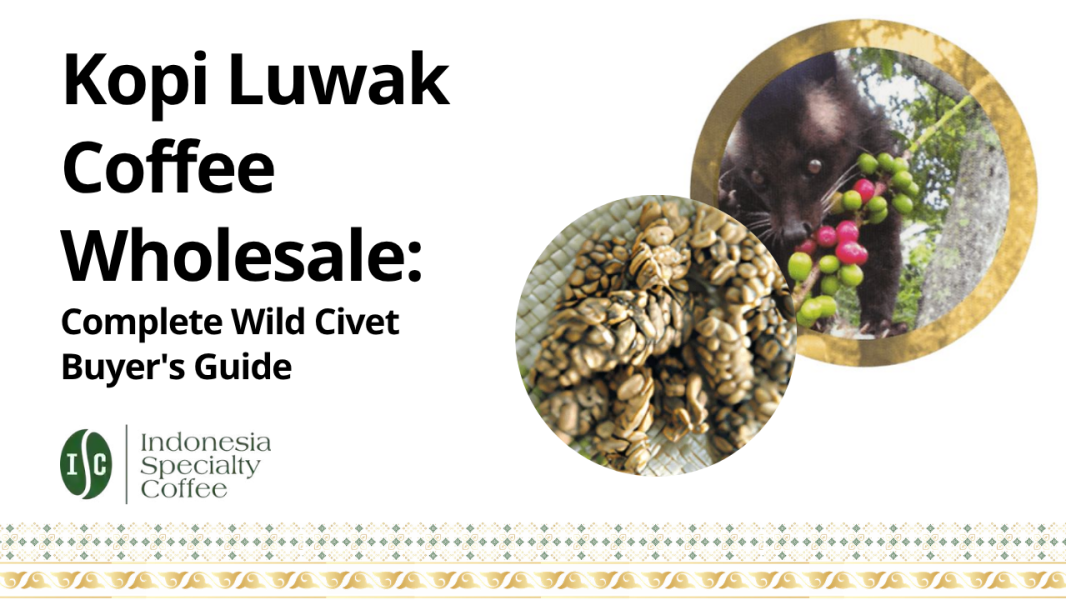
Kopi luwak is coffee produced from beans that have passed through the digestive tract of the Asian palm civet (Paradoxurus hermaphroditus), a small nocturnal mammal native to Indonesia’s rainforests. The name comes from Sundanese and Javanese: kopi means coffee, luwak is the local word for the civet.
The process has a straightforward biological explanation. Civets eat ripe coffee cherries for the fruit pulp. As the beans transit the digestive system, proteolytic enzymes break down the proteins responsible for bitterness. That protein change is what produces the cup profile luwak is known for: low bitterness, smooth body, reduced astringency, and a clean finish that stands up across a full cupping evaluation.
Historically, plantation workers in colonial Indonesia collected civet-excreted beans as a way to access coffee otherwise reserved for Dutch landowners. Today, kopi luwak is one of the most recognized premium coffee categories globally, and Indonesia remains its primary source of authentic supply.
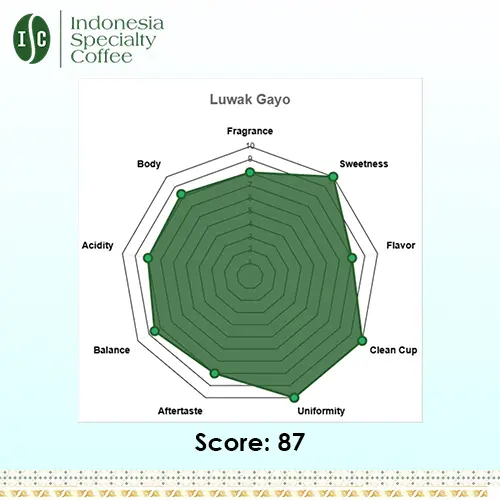
ISC’s Arabica Luwak Liar (Wild Civet Arabica Coffee) expresses this directly in the cup: fragrance of fresh nutty, vanilla, and gentle almond; flavor that runs herbal and refreshing with spicy notes; soft-to-medium acidity; and a soft, mild body. The balance of fine chocolate and almond in the finish is a consistent characteristic across wild-collected Sumatra lots.
Ready to see current pricing? View ISC’s wholesale pricelist or contact our team to discuss your requirement.
Wild Civet vs. Cage Civet: What Every Wholesale Buyer Must Know
The distinction between wild-sourced and cage-farmed luwak is not a marketing nuance. For anyone building a kopi luwak coffee wholesale program, it is a quality and ethics divide that directly affects your resale value, customer trust, and brand exposure.
Cage-farmed civets are confined in battery enclosures and force-fed mixed or unripe cherries under chronic stress. Wild civets have no such constraint. They are selective eaters who instinctively choose the ripest, most sugar-rich cherries, which happens to align precisely with what specialty buyers want in raw material. When a civet is stressed or fed inconsistent cherries, the enzymatic process that creates luwak’s characteristic cup profile does not function the same way. The product carries the name but not the quality.
The table below summarizes what matters commercially:
| Factor | Wild Civet | Cage Civet |
|---|---|---|
| Source | Free-roaming in natural habitat | Cage confinement |
| Cherry selection | Selects ripest, healthiest cherries naturally | Force-fed mixed or unripe cherries |
| Cup quality | Complex, consistent specialty profile | Flat, often off-flavors due to animal stress |
| Supply volume | Limited, seasonally variable | High volume year-round |
| Ethics | Cruelty-free, sustainable | Widely criticized by animal welfare organizations |
| Market value | Significantly higher, commands premium pricing | Discounted in specialty markets |
| Certification | Traceable, third-party verifiable | Difficult to authenticate convincingly |
Premium hotel groups, specialty roasters, and high-end retail buyers know this difference and ask for documentation. If your supplier cannot provide traceability evidence, the commercial and reputational risk sits with your business.
One practical note from our sourcing experience: wild luwak supply is genuinely limited and seasonally variable. Any supplier offering unlimited volume at suspiciously low prices is almost certainly sourcing from cage farms or supplying regular Arabica mislabeled as luwak. Authentic wild supply constraints are not a weakness. They are evidence that the product is real.
How ISC Sources and Processes Wild Kopi Luwak
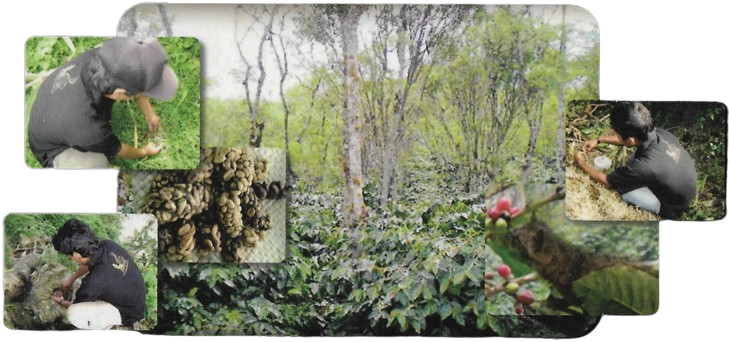
Indonesia Specialty Coffee operates directly from Sumatra, with plantation and processing infrastructure across Aceh and North Sumatra, the heartland of Indonesian specialty coffee production. Our wild luwak supply comes from civet populations in natural forest environments adjacent to partner farms in these regions.
The Arabica cherries the civets consume come from plants grown at 1,200 to 1,700 metres above sea level. Altitude matters here beyond geography: higher-elevation Arabica develops more complex sugars and slower cherry maturation, which is part of why wild luwak from ISC’s sourcing regions cups with more character than commodity luwak from lower-altitude farms.
After field collection, the beans go through a cleaning process. First, the beans are washed with a mixture of water and clay to get rid of the unwanted materials. In this process, the coffee will be rubbed to remove dirt. This first step is important cause this is the first step in removing the impurity for the halal process. The second step is to soak and wash it with running water, to make sure it’s fully cleaned. And the third step, the coffee will be dried until the moisture content reaches 12-13% before it get hulled.
Every batch is assessed by ISC’s licensed Q Graders against the SCA cupping protocol before being approved for export. Because wild luwak is inherently low-volume and seasonally variable, we handle each batch as a specialty lot. No shipment leaves without cupping confirmation on that specific lot.
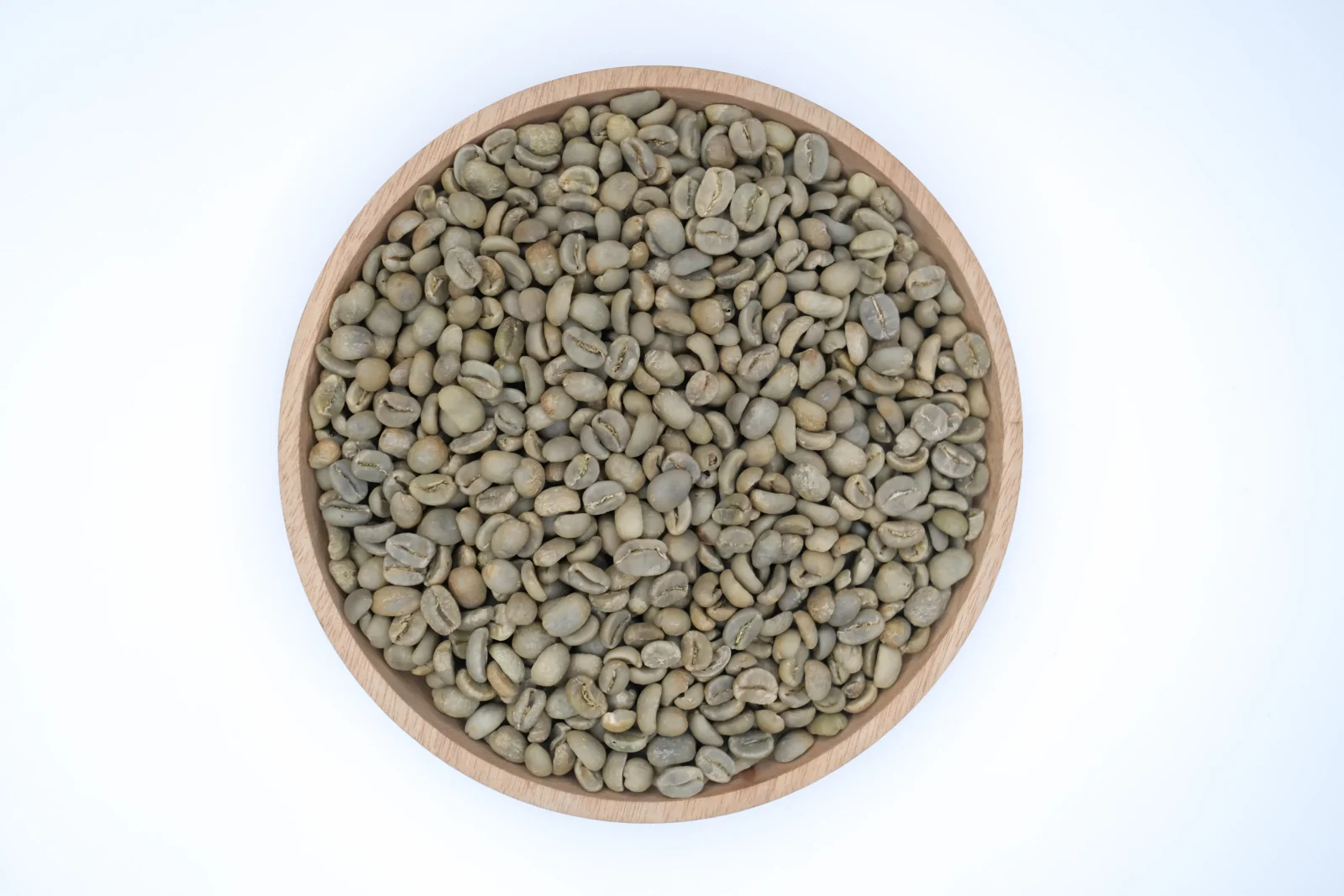
ISC supplies wild luwak as green beans (unroasted), roasted beans, and ground powder. OEM and private label packaging is available for buyers marketing luwak under their own brand.
ISC Luwak Coffee Specs: What You Are Actually Ordering
The following specifications are drawn from ISC’s April 2026 catalog and apply to all current Luwak Liar shipments. Buyers sourcing at wholesale should confirm lot-specific data at the time of inquiry, as wild luwak supply is small-batch by nature.
| Attribute | Detail |
|---|---|
| Product Name | Luwak Liar (Wild Civet Arabica Coffee) |
| Origin | Arabica plantations, Aceh, Sumatra, Java, and Bali |
| Altitude | 1,200–1,700 metres above sea level |
| Screen Size | 15–18 |
| Moisture | Max 13% |
| Defect Value | 6–8 |
| Harvest Method | Wild luwak secretion collection |
Flavor Profile: Fresh, nutty, vanilla, and gentle almond on the fragrance. The cup runs herbal and refreshing with spicy notes, soft-to-medium acidity, and a soft, mild body. The finish delivers a balance of acidity, sweetness, fine chocolate, and almond, noticeably less bitter than conventionally processed Arabica.
The defect value of 6–8 reflects the careful manual handling that small-batch wild luwak demands. For context, commercial-grade coffee under SNI 01-2907-2008 tolerates defect values above 25 for Grade 2. Luwak Liar sits well within specialty tolerance and is handled as a specialty lot throughout processing.
Kopi Luwak Wholesale Price in 2026
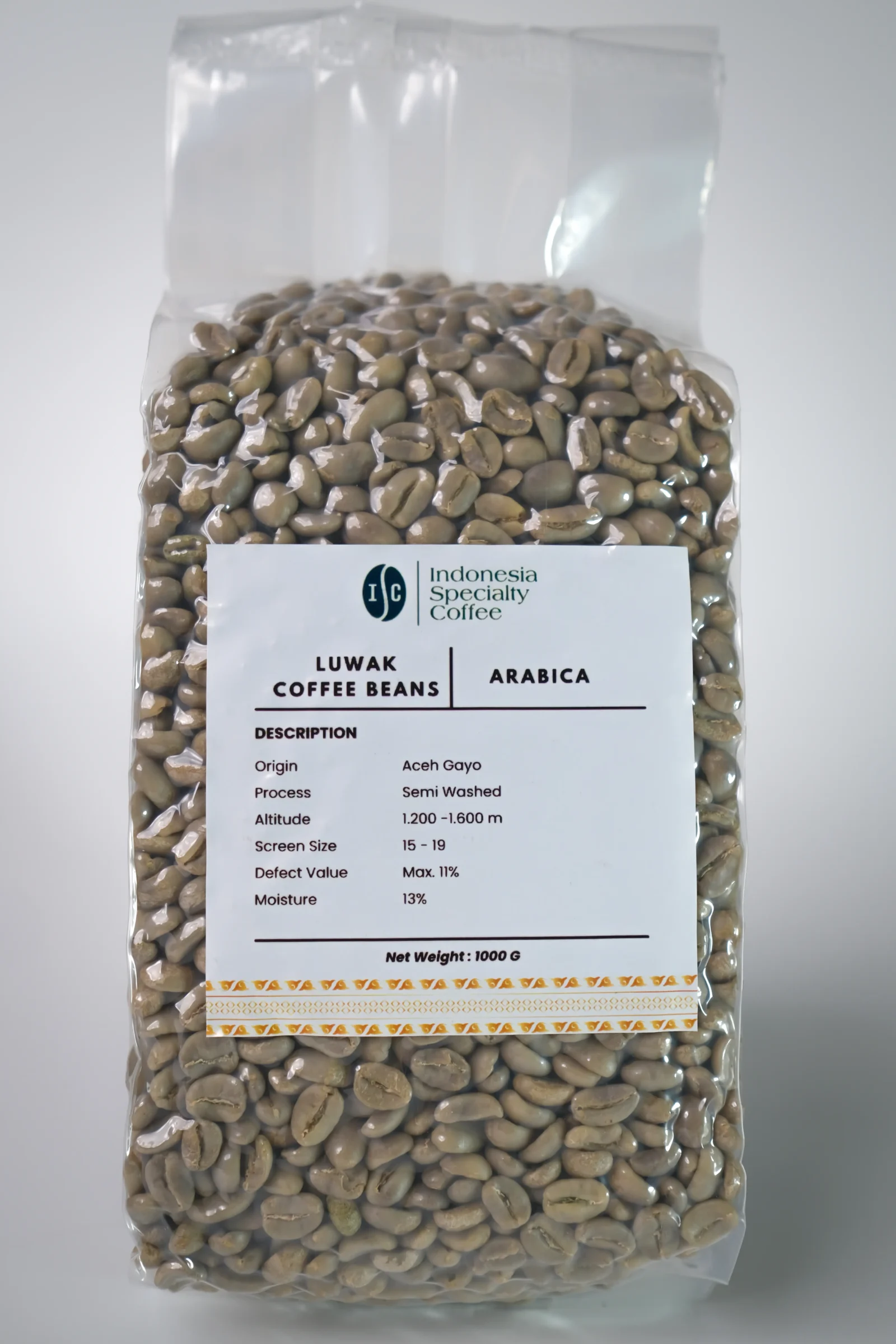
Kopi luwak wholesale pricing reflects the limited supply chain, labor-intensive collection, and quality tier. For a detailed breakdown of retail and per-kg pricing in the US market, see ISC’s kopi luwak price guide. The table below shows ISC’s current indicative wholesale pricing from the April 2026 catalog. All prices are FOB Belawan (Indonesian port). Add sea freight to your destination when calculating landed cost.
| Form | 2026 ISC Price |
|---|---|
| Green Beans | $50.00 / kg |
| Roasted Beans | $77.40 / kg |
| Powder (Ground) | $79.40 / kg |
A few things to factor into your margin planning:
Volume affects unit cost. Luwak operates on smaller commercial volumes than commodity origins, but larger orders still unlock better per-kilogram rates. Contact ISC directly to confirm volume pricing for your specific requirement.
Processing form is a margin decision. The gap between $50.00/kg green and $77.40/kg roasted reflects processing cost, but it also creates a decision point. Buyers with in-house roasting capacity can capture that processing margin. Buyers supplying hotel groups or retail without roasting infrastructure will find the roasted form ready to position with minimal downstream work. ISC’s OEM option means the roasted or powder form can ship directly under your brand label.
FOB pricing adjusts weekly. ISC applies weekly price adjustments tied to Arabica terminal markets in New York, which is standard practice for Indonesian green coffee exporters. Always request a current price confirmation before finalizing a contract. Do not build margin models on indicative prices alone.
Certifications and Authenticity: What to Demand from Any Supplier
The single largest risk in sourcing kopi luwak coffee wholesale is counterfeit product. The price differential between genuine wild luwak and regular Arabica is large enough that the incentive to mislabel is significant, and it is widespread. Experienced buyers ask for documentation before any contract is signed.
ISC can provide the following certificates:
- ICO Certificate (International Coffee Organization): confirms origin and export legality
- Certificate of Origin: government-issued proof of Indonesian provenance
- Phytosanitary Certificate: confirms the product meets international plant health standards
- Halal Certificate: relevant for buyers supplying Muslim-majority markets
- Original Luwak Coffee Certificate: Provided by AICE
Beyond certificates, ISC’s internal quality assurance for kopi luwak runs through several checkpoints. Every lot is cupped and graded by ISC’s licensed Q Graders against SCA protocol. Pre-shipment photos and videos of the goods are shared with buyers before any shipment departs. For buyers requiring independent verification, third-party surveyors can be arranged at the buyer’s request.
ISC also maintains full traceability back to the collection region and cooperative level. Knowing the sourcing region is part of the product’s commercial value, particularly for specialty retailers and hospitality buyers who communicate origin to their end customers.
If a supplier cannot provide a Certificate of Origin, a Phytosanitary Certificate, and documented evidence of their wild-sourcing verification process, that gap represents a material risk to any wholesale program built on their supply.
Frequently Asked Questions
What is the minimum order quantity for kopi luwak coffee wholesale?
ISC can accommodate smaller quantities for luwak, given its specialty nature. For bigger quantities over 100 kg you need to confirm the availability of stock first. Luwak operates on smaller commercial volumes than commodity green bean origins. Contact ISC directly to discuss volume-based pricing for your specific requirement and to confirm current lot availability.
How does ISC verify that luwak is genuinely wild-sourced?
ISC provides traceability documentation back to the collection region and partner farms in Aceh and North Sumatra. Pre-shipment samples and photo and video documentation are available on request before any contract is finalized. Independent third-party surveyors can also be arranged for buyers requiring external verification prior to committing to a wholesale order.
Can ISC supply private label or OEM kopi luwak?
Yes. ISC supplies on an OEM basis, with packaging specifications determined by the buyer. Printing costs follow ISC’s vendor pricing. This is a common option for specialty retailers and hospitality brands building a kopi luwak product under their own label. Contact ISC to discuss form (roasted or ground), packaging format, and lead times.
What are the standard payment terms for wholesale orders?
For invoices above USD 6,000: 30% within three days of contract signing, 70% once goods are confirmed ready for departure (verified by photo and video). For invoices under USD 6,000: 100% advance payment applies. Alternative payment terms are negotiable for established buyers with a track record.
How long does shipment take after signing?
Lead time is two to three weeks from contract signing and advance payment receipt. ISC ships primarily by sea freight (FCL and LCL from Belawan). Air freight is available for smaller or time-sensitive orders. Confirm current lead times with ISC at the time of inquiry, as wild luwak availability is seasonally variable.
Are samples available before placing a wholesale order?
Yes. Samples are available at USD 100 per 350g (excluding shipping). This amount functions as a deposit and is deducted from the first full contract value. It is the practical starting point for buyers who want to cup the product against their quality standards before committing to a wholesale volume.
Can ISC produce a custom blend with luwak and other Arabica origins?
No. Luwak Coffee sold for single origin only.
Order Kopi Luwak Coffee Wholesale from Indonesia Specialty Coffee
Indonesia Specialty Coffee is a direct exporter of certified wild kopi luwak from Sumatra, supplying international roasters, importers, specialty retailers, and hospitality buyers with full traceability from collection region to shipment. Every batch is cupped and graded by ISC’s licensed Q Graders against SCA protocol, Halal certified, and shipped with a full documentation package: ICO Certificate, Certificate of Origin, and Phytosanitary Certificate.
ISC supplies kopi luwak in three forms: green beans at $50.00/kg, roasted beans at $77.40/kg, and ground powder at $79.40/kg (all FOB Belawan, April 2026 indicative pricing). OEM and private label packaging is available. Samples are available at $100 per 350g, applied as a deposit on your first order.
To request current pricing, discuss your volume requirement, or arrange a sample:
- Visit specialtycoffee.id/buy-kopi-luwak-coffee-beans/
- Contact the ISC export team directly via WhatsApp: +62 811 6380 606
- Or use the contact form at specialtycoffee.id/contact-us/