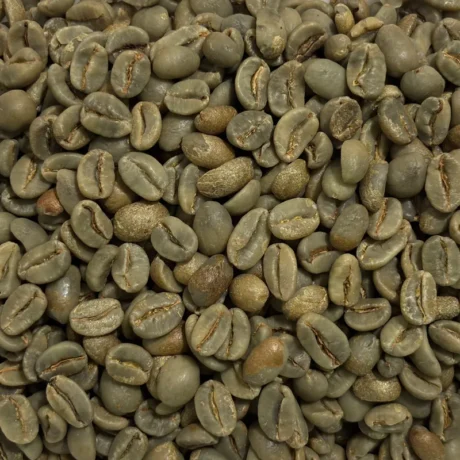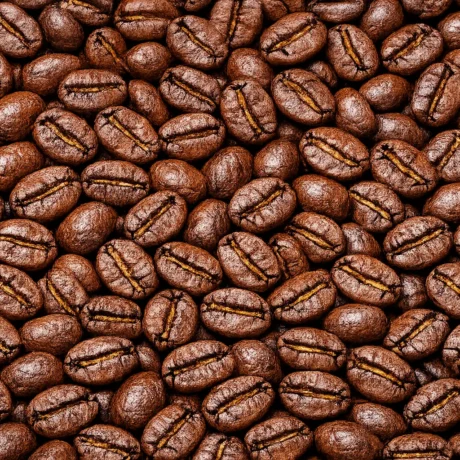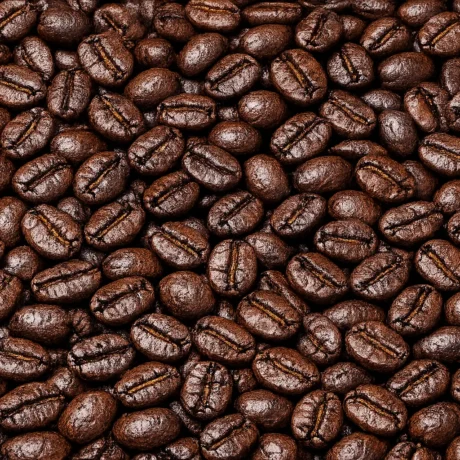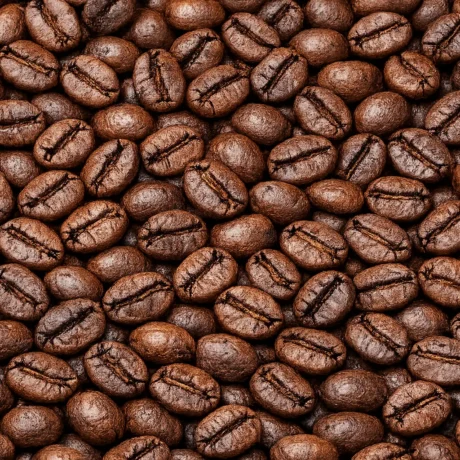
Liberica coffee beans are the third commercial coffee species, distinct from Arabica and Robusta, and account for less than 1.5% of global coffee production. For roasters and importers searching for a single-origin offering that stands apart on the menu, Liberica delivers an oversized teardrop-shaped bean, low acidity, a full-bodied cup, and woody-smoky aromatics with notes of jackfruit and dark sugar.
This buyer’s guide covers what Liberica is, where Indonesia produces it, current 2026 wholesale prices per kilogram, MOQ tiers, certification options, and how to order green beans directly from a Medan-based supplier shipping FOB Belawan.
Last updated: May 2026
What Are Liberica Coffee Beans?
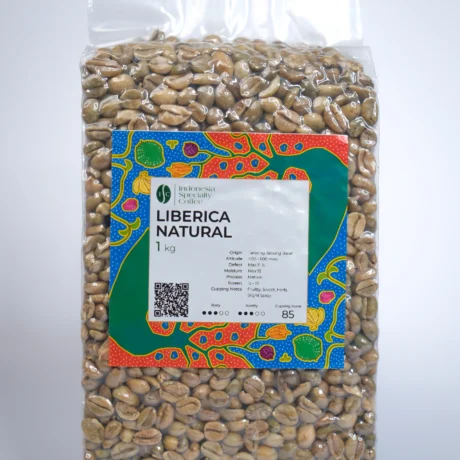
Liberica coffee beans come from Coffea liberica, a species native to West and Central Africa that arrived in Southeast Asia in the late 19th century. Indonesian planters adopted it after the 1878 coffee rust outbreak (Hemileia vastatrix) wiped out most Arabica trees on the islands. The bean itself is unmistakable: nearly twice the size of an Arabica seed, asymmetric with one side shorter than the other, and finished with a distinctive hook at the tip. The central furrow is more jagged than on Arabica or Robusta.
Liberica trees grow tall, up to 20 metres, which is why farmers harvest with ladders rather than by hand-picking at chest height. Buyers value Liberica for three commercial reasons: it tastes nothing like Arabica or Robusta, it carries the lowest caffeine of the three commercial species (1.23 g per 100 g, versus 1.61 g for Arabica and 2.26 g for Robusta), and it grows on lowland peat soils where neither Arabica nor Robusta will survive.
Where Liberica Grows: Indonesian Origins
Liberica is a lowland crop. The tree thrives between sea level and 600 metres above sea level, in 24-30°C temperatures, and tolerates waterlogged peat soils that suffocate Arabica root systems. This makes Indonesia, particularly the peatland provinces, the most active Liberica producer in the world today, alongside the Philippines and Malaysia.
ISC sources Liberica from three Indonesian production zones:
- Jambi, Sumatra: home to Kopi Liberika Tungkal Komposit, which holds an Indonesian geographic indication (Indikasi Geografis). Smallholder farmers in the Tanjung Jabung Barat district cultivate Liberica on lowland peat at elevations under 100 metres. For a deeper read on this origin, see our Liberica Coffee Indonesia origin guide.
- West Kalimantan: peat-soil Liberica plantations increasingly used for paludiculture, a farming approach that keeps water tables high to prevent peat fires and supports carbon sequestration while still generating farmer income.
- Java (Central and East): older Liberica stands, descendants of the Dutch colonial trees planted to replace rust-killed Arabica.
For buyers, the practical implication is supply consistency: ISC sources year-round from multiple smallholder cooperatives, so a 350 kg or container-level order does not depend on a single farm’s output.
Liberica Flavor Profile and Cupping Notes
Liberica’s cup is the reason specialty roasters keep returning to this species despite its rarity. The flavor profile is woody, smoky, and full-bodied, with low acidity, heavy mouthfeel, and a long finish that espresso pulls reward.
Common cupping descriptors for Indonesian Liberica:
- Aroma: floral, fruity, jackfruit-forward, with hints of dark sugar
- Body: heavy, syrupy, high in natural fat content
- Acidity: low to moderate, gentler than washed Arabica
- Notes: woody, smoky, herbal, tropical fruit (jackfruit, guava, banana), cocoa undertones
- Finish: long, slightly tannic, faint smoky aftertaste
The cup sits closer to Robusta than Arabica on the bitterness axis but carries a sweetness and aromatic complexity that commercial Robusta cannot match. Liberica works well as a single-origin filter pour, in espresso blends where a roaster wants body and aromatic lift, and in milk-based drinks where its smoky-jackfruit character holds up against dairy.
Processing Methods for Liberica
Liberica processing in Indonesia follows the same two-step framework as other Indonesian coffees: a cherry processing step (Step 1), followed by a hulling step (Step 2).
Step 1: Cherry Processing
- Natural process: whole cherry sun-dried on raised beds for 12 to 15 days, with frequent raking to manage Liberica’s exceptionally high mucilage and sugar content. Produces the most jackfruit, a fruit-forward cup.
- Honey process: pulped, mucilage retained, dried; sweeter and more layered than washed.
- Full-washed: pulped, fermented, washed, dried; cleaner and more linear in flavor.
Step 2: Hulling
- Most Indonesian Liberica is dry-hulled at 12-13% moisture, the same standard used for natural and washed Arabica worldwide. Wet-hulling (Giling Basah) is rarely applied to Liberica.
Liberica cherries carry high mucilage and sugar content, which makes natural and honey processing more rewarding but more demanding: under-raked drying beds risk mold development quickly. Our Liberica lots are graded by screen size and defect value per SNI 01-2907-2008, with a target moisture content of 12-13% to meet international quarantine standards.
ISC ships Grade 1 Liberica green coffee beans from Jambi and West Kalimantan with sample, microlot, wholesale, and container-level options. View current rates on the ISC wholesale pricelist.
Liberica Coffee Beans Price 2026 (Wholesale)
Liberica is rarer than Arabica and Robusta, so pricing depends more on grade, processing, and supplier consistency than on commodity benchmarks. Current FOB Belawan pricing for Indonesian Liberica green coffee beans sits in the following ranges:
| MOQ Tier | Price per kg (FOB Belawan, USD) | Notes |
|---|---|---|
| 1 kg sample | $19-20 | Cupping evaluation; one-off |
| 60 kg microlot | $15-16 | Single-bag rate; small roasters and pilot runs |
| 350 kg wholesale | $11-12 | Standard wholesale; commercial production |
| 9 MT+ container | $ 9.5 | Per-MT pricing; importers and distributors |
What moves the price:
- Processing method: natural and honey-process Liberica trade higher than washed; the extra labor in cherry drying is reflected in the cost
- Grade and defect value: Grade 1 lots (lower defect count, cleaner sorting) trade above commercial grade
- Volume: container-level orders qualify for per-MT pricing well below the 350 kg rate
- Certification: Halal certification is included on every ISC lot; Organic and Rainforest Alliance certifications are available on request and add a verified premium
For CIF pricing to Rotterdam, Los Angeles, or other destinations, add ocean freight and marine insurance to the FOB figure (typically $1.50 to $2.00 per kg depending on port and lot size).
How to Buy Liberica Coffee Beans Wholesale from Indonesia
Ordering green Liberica wholesale from Indonesia is a four-step process:
- Step 1: Request a sample. Order a 1 kg cupping sample at the sample tier price. The sample ships with a spec sheet (moisture, defect value, screen size, processing notes) so your QC team can compare against your existing offerings.
- Step 2: Confirm specs and volume. Once cupping passes, confirm the MOQ tier (60 kg microlot, 350 kg standard wholesale, or 9 MT+ container), the cherry processing method, and any certification requirements.
- Step 3: Receive your written quote. Quotes are issued in USD per kg FOB Belawan. CIF pricing for your destination port is quoted on request and includes ocean freight and marine insurance.
- Step 4: Place the order and ship. Wholesale orders ship in 60 kg jute bags with GrainPro liners. Lead time from order confirmation to FOB Belawan is typically 14 to 21 days for in-stock lots.
Questions worth asking any Liberica supplier before committing: current crop year, moisture content, defect value, certification status, packaging spec, and whether the quoted price is FOB, CIF, or DDP. A clean quote that names all five removes the most common cost surprises.
Liberica vs Arabica vs Robusta: Quick Comparison
The three commercial coffee species differ across caffeine, cup profile, growing altitude, market share, and wholesale price tier:
| Attribute | Liberica | Arabica | Robusta |
|---|---|---|---|
| Share of global production | <1.5% | ~60% | ~40% |
| Caffeine (per 100 g) | 1.23 g | 1.61 g | 2.26 g |
| Bean shape | Large, asymmetric teardrop | Oval, flat | Round, small |
| Growing altitude | 0-600 m | 800-2,000+ m | 200-800 m |
| Acidity | Low | Medium to high | Low |
| Body | Heavy | Medium | Heavy |
| Cup notes | Woody, smoky, jackfruit | Floral, fruity, complex | Earthy, bitter, woody |
| Indonesia FOB price (specialty Grade 1) | $9.5/kg | $5-10/kg | $2-4/kg |
For buyers weighing one species against another: Arabica wins on cup complexity and acidity, Robusta wins on caffeine yield and crema, and Liberica wins on body, aromatic distinctiveness, and a profile no other coffee species can replicate.
Frequently Asked Questions
What is Liberica coffee?
Liberica is one of three commercial coffee species, alongside Arabica and Robusta. It comes from Coffea liberica, produces oversized teardrop-shaped beans with the lowest caffeine of the three species, and grows mainly in Indonesia, the Philippines, and Malaysia. The cup is woody, smoky, and fruity, with jackfruit-forward aromatics and heavy body.
How much do Liberica coffee beans cost per kg wholesale?
Indonesian Liberica green coffee beans range from $9.5 to $20 per kg FOB Belawan in 2026, depending on grade, processing, and order volume. 350 kg wholesale orders trade at $11-12/kg, smaller 60 kg microlots run $15-16/kg, and container-level orders (9 MT+) from $9.5 per kg.
Where is Liberica coffee grown in Indonesia?
Indonesian Liberica grows mainly in three regions: Jambi (Sumatra), where it carries a geographic indication as Kopi Liberika Tungkal; West Kalimantan, where peatland farms support paludiculture; and parts of Central and East Java, where older stands remain from Dutch colonial planting after the 1878 coffee rust outbreak.
What does Liberica coffee taste like?
Liberica delivers a heavy-bodied, low-acidity cup with woody and smoky notes, jackfruit and tropical fruit aromatics, and a long, slightly tannic finish. Natural-processed Liberica tends to be the most fruit-forward. The cup sits closer to Robusta on the bitterness axis but carries far more aromatic complexity than commercial Robusta.
What is the minimum order for wholesale Liberica?
ISC offers four MOQ tiers for Liberica green coffee beans: 1 kg sample for cupping evaluation, 60 kg microlot at single-bag rate, 350 kg standard wholesale rate, and 9 MT+ container loads at custom per-tonne pricing. New buyers typically start with a 1 kg cupping sample before committing to a larger purchase.
Is Liberica specialty grade?
Liberica is graded under the same SNI 01-2907-2008 system as Arabica and Robusta in Indonesia. Grade 1 Liberica meets the lowest defect-value tier and is suitable for specialty roasting. ISC ships only Grade 1 Liberica lots, hand-sorted, cupped, and verified at 12-13% moisture content before export.
Buy Liberica Green Coffee Beans from Indonesia Specialty Coffee
Indonesia Specialty Coffee is a direct exporter of Liberica green coffee beans from Jambi, West Kalimantan, and Java, with Grade 1 lots sorted to international quarantine spec and shipped FOB Belawan. We supply roasters, importers, and distributors worldwide: 1 kg samples for cupping evaluation, 60 kg microlots, 350 kg standard wholesale lots, and 9 MT+ container loads at custom per-tonne pricing.
Every lot is Halal certified. Organic and Rainforest Alliance certifications are available on request.