
We keep retained samples of every export lot in the Medan warehouse. Open one a year later, and you learn the most useful fact about old coffee: it still smells like coffee, and it still brews something drinkable, but the aroma that made the lot worth buying is mostly gone. So what to do with old coffee beans that have slipped past their best? Plenty. As long as they are stale and not moldy, old coffee beans work as garden fertilizer, compost, a body scrub, a fridge deodorizer, a pest deterrent, a natural dye, and a passable cold brew. The one thing they will not do is taste fresh again.
This guide gives you 7 main uses worth your time, then 8 more for when you have grounds to spare. First, the part most articles skip: how to know whether your beans are tired or actually spoiled.
Last updated: June 2026
Old or Spoiled? How to Tell the Difference
Old coffee is stale. Spoiled coffee is contaminated. Stale beans have lost aroma and oils to oxidation but are safe to handle and reuse. Spoiled beans show mold, a musty or sour smell, a greasy clumped texture, or any visible fuzz. If you see or smell mold, throw the beans out. Do not put moldy coffee in your garden, your compost, or on your skin.
This is the whole safety question in one paragraph, and it matters more than any clever reuse idea below.
Here is what staling looks like up close. On the cupping table, an old lot doesn’t taste of anything rotten. It tastes of less: flatter, papery, with the bright top notes gone and a dull woody base left behind. That is oxidation doing its work on the natural oils, and it is harmless. Mold is a different animal. You catch it by smell before you see it, a damp basement note that has no business in coffee, usually because the beans took on moisture somewhere humid.
By contrast, a quick test at home: tip the beans into a bowl in good light. If they look dry and uniform and smell like weak coffee, they’re just stale. If anything looks fuzzy, feels damp, or smells sour or musty, that bag is done. When in doubt, bin it. For more on the safety side, see ISC’s guide on whether expired coffee can make you sick.
How Long Do Coffee Beans Actually Last?
Whole roasted beans hold their best flavor for about 2 to 4 weeks after roasting, then stay usable for 6 to 12 months stored airtight, cool, and dark. Ground coffee fades faster, usually 2 to 4 weeks for flavor and a few months before it’s only fit for reuse. Instant coffee lasts up to 2 years. Unroasted green beans outlast all of them.
The numbers people quote are about safety and about flavor, and those are two different clocks. Coffee rarely becomes unsafe on its own. It becomes boring quickly. The table below is the version we’d actually stand behind.
| Coffee type | Best flavor window | Still usable (stored well) | Goes off when |
|---|---|---|---|
| Whole roasted beans | 2-4 weeks | 6-12 months | Mold, rancid oils |
| Ground coffee | 2-4 weeks | 3-5 months | Mold, sour smell |
| Instant coffee | 1 year | 2+ years | Clumps hard, damp |
| Green (unroasted) beans | 6 months | 12-36 months | Moisture, mold, fading to “baggy” |
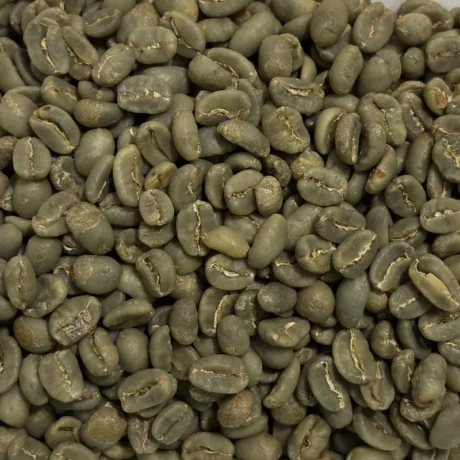
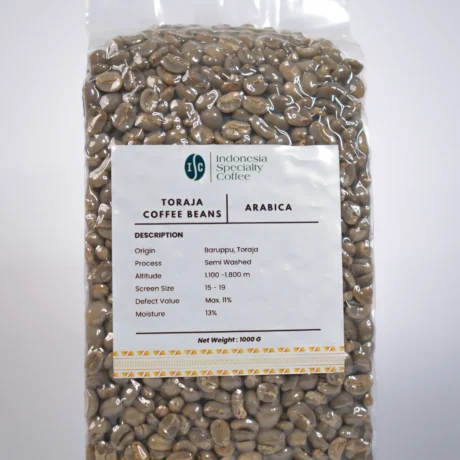
Green coffee is the outlier, and it’s the side of the bean we know best. A properly dried lot at 11 to 12.5% moisture, stored in a cool warehouse, holds for a year or more before it starts to fade to what the trade calls “baggy” or “woody.” Storage is the whole game here, which is why a good coffee canister and storage habits buy you far more time than any brand claim on the bag. If you want the deeper version, ISC has a full breakdown of how coffee expires and its shelf life.
The 7 Best Uses for Old Coffee Beans
These are the seven we’d reach for first, because they actually work and they use real quantities of coffee. Crush whole beans into grounds for most of them; a blender or grinder does the job, and finer grounds break down and absorb faster.
1. Garden Fertilizer
Old coffee grounds feed soil. They carry nitrogen plus smaller amounts of phosphorus, potassium, magnesium, and calcium, which support leafy growth. Sprinkle a thin layer of crushed grounds around plants and work it lightly into the topsoil. Use a light hand. Too much at once can mat the surface and tip soil acidity.
The mistake people make is treating grounds as a heavy feed. They aren’t. Think of them as a slow, mild amendment, best mixed in rather than piled on. Acid-tolerant plants like blueberries, azaleas, and hydrangeas take to them more happily than most.
2. Compost Booster
Coffee grounds speed up a compost pile. They count as “green” nitrogen-rich material that feeds the microbes doing the decomposition, so the pile heats and breaks down faster. Mix grounds with “brown” material like dry leaves, cardboard, or twigs at roughly one part coffee to three parts brown.
Balance is the point. A pile that’s all coffee turns dense and sour; coffee plus carbon turns into dark, usable compost in weeks rather than months. Paper filters can go straight in with the grounds.
3. Cold Brew and Strong-Extraction Brews
Stale beans still make a drinkable cold brew. Cold water and a long steep pull out body and sweetness while going easy on the sharp, sour notes that staleness exaggerates in hot brewing. Coarsely grind the beans, steep one part coffee to about eight parts cold water for 12 to 24 hours, then strain.
This is the only “drink it” use we’d genuinely recommend for old beans, and even then, manage expectations. Cold brew hides flatness; it does not undo it. If you take it with milk, ISC’s guide to milk in coffee, from lattes to cold brew covers the ratios. A coarse, even grind matters here, so the grind size chart is worth a look.
4. Natural Body Scrub
Coffee grounds make a cheap, effective exfoliant. The gritty texture lifts dead skin, and the grounds rinse away cleanly. Mix a few tablespoons of used grounds with coconut oil, honey, or a plain body wash until it forms a loose paste, then massage onto damp skin and rinse.
Keep it off broken skin and out of the eyes. Use it on elbows, knees, hands, and feet a couple of times a week. The oil-and-coffee combination leaves skin smoother without the cost of a store scrub.
5. Fridge and Room Deodorizer
Coffee absorbs odors, which makes old beans a free deodorizer. Put a small open bowl of dry grounds or whole beans in the fridge, a closet, or a gym bag, and they’ll pull in stale and strong smells. Swap them out every few weeks as they lose their grip.
This works because the same porous structure that once held aroma now holds whatever’s floating around it. Dry grounds only; damp ones grow mold and become the problem you were trying to fix.
6. Pest Deterrent
Coffee’s strong smell and natural compounds put off some garden pests. Scatter used grounds around the base of plants or along the edges of beds, and ants, slugs, and snails tend to route around them. Refresh after heavy rain, which washes the effect away.
Treat this as a mild, free first line, not pest control in a bottle. It nudges pests elsewhere; it won’t clear an infestation. Pair it with the fertilizer use above and the same handful of grounds does two jobs.
7. Natural Dye and Colorant
Brewed-strong old coffee stains, and you can use that on purpose. Steep grounds in hot water to make a concentrated brew, then soak paper, fabric, or even Easter eggs to get warm tan-to-brown tones. Longer soaks and repeat dips deepen the color.
It’s a forgiving, non-toxic dye, which makes it good for craft projects with kids. Results sit in the beige-to-coffee range, so it’s for warming and aging a material rather than bright color.
8 More Ways to Use Old Coffee Beans
Once you’ve covered the big seven, here are eight more that use smaller amounts or suit a spare afternoon. Same rule applies throughout: stale is fine, moldy is not.
- Coffee-scented candles. Stir crushed beans into melted wax before pouring, or scatter whole beans around a candle in a jar for aroma and a rustic look.
- Hand odor remover. Scrub a pinch of damp grounds between your hands after chopping garlic, onion, or fish, then rinse. The smell lifts and your hands get a quick exfoliation.
- Hair rinse or mask. Massage grounds into the scalp before shampooing to clear buildup, or mix into conditioner. Rinse thoroughly so no grit stays behind.
- Worm-bin feed. If you keep a worm composter, add grounds in moderation. Worms process the nitrogen well; just don’t overload the bin in one go.
- Car freshener. A small cloth pouch of dry beans under a seat works like the fridge trick, with a few drops of essential oil if you want more than plain coffee.
- Natural scouring paste. Mix grounds with a little water into a paste to scrub greasy pots and stovetops. Skip it on soft or scratch-prone surfaces.
- Décor and art. Fill clear vases, frame fillers, or glue beans into mosaics. The color and texture suit rustic and vintage styling.
- Kids’ craft material. Beyond dye, dry grounds work as “sand” or texture in glue-and-paper art, and as a sensory material for younger children with supervision.
The Honest Part: What Reuse Can’t Fix
No reuse trick brings flavor back. This is the line we won’t blur. A six-month-old bag of beans will never cup like a fresh one, and the “revival” hacks online, reheating, freezing then re-roasting, adding salt, mostly mask staleness for one cup rather than reverse it. Oxidation is one-directional. Once the oils have broken down, the aroma is gone for good.
We see this every harvest from the supply side. A lot that scored 84 on arrival will, left long enough in the wrong conditions, drift down into something flatter that no brewing method rescues. The reuse ideas above are honest precisely because they don’t pretend otherwise. You’re not saving the coffee; you’re giving spent coffee a second, lower-stakes job.
So the realistic split is this. If the beans are stale, use them for the garden, the scrub, the deodorizer, or a cold brew, and buy fresh for actual drinking. If the beans are moldy, none of this applies. Bin them and don’t second-guess it.
What This Means If You Buy Green Coffee
For roasters and importers, the lesson runs upstream: most “old coffee” problems are storage problems, and they start before the bean is ever roasted. Green coffee holds for 12 to 24 months when it’s dried to the right moisture and kept cool and dry, and it fades fast when it isn’t. Buying fresh-crop green and storing it properly is cheaper than salvaging stale roasted stock.
When you’re sourcing, ask three things: the crop year, the moisture at shipment, and how the lot was stored in transit. A current-crop lot at 11 to 12.5% moisture, packed in GrainPro inside jute, arrives with its shelf life intact. An older lot, or one that sat humid on a dock, shows up “baggy” no matter how good the farm was. That single question, what crop year is this, separates a supplier who tracks freshness from one who’s clearing inventory.
Frequently Asked Questions
Can you still drink old coffee beans?
Yes, if they’re stale rather than moldy. Stale beans are safe to brew; they just taste flat, papery, and dull because oxidation has stripped the aromatic oils. Cold brew is the kindest method for them. If beans show mold, a sour smell, or a greasy, clumped texture, throw them out and don’t drink them.
How do you know if coffee beans have gone bad?
Bad coffee beans show mold or fuzz, smell musty or sour instead of like coffee, or feel damp and greasy with clumping. Stale beans, by contrast, look dry and uniform and simply smell weak. Mold means discard. Staleness means the beans are fine for reuse but past their drinking prime.
Are old coffee grounds good for plants?
Used coffee grounds work as a mild soil amendment and compost ingredient. They add nitrogen and trace minerals that support leafy growth. Apply a thin layer worked into the topsoil rather than a thick pile, since too much can mat the surface or raise acidity. Acid-tolerant plants like blueberries and hydrangeas benefit most.
Do coffee beans expire?
Coffee beans don’t expire like perishable food, but they lose quality. Whole roasted beans stay usable 6 to 12 months stored airtight, cool, and dark, while flavor peaks in the first 2 to 4 weeks. They only become unsafe if they grow mold or take on moisture, which is a storage failure rather than normal aging.
Can old coffee beans make you sick?
Stale coffee beans won’t make you sick; they’ve only lost flavor. The risk comes from mold, which can develop if beans are stored damp, and from rancid oils in very old beans. Moldy or sour-smelling coffee should be discarded. If beans look and smell like plain weak coffee, they’re safe to brew or reuse.
Before You Toss the Bag
Before anything else, check for mold. If it’s clean, your “old” beans can fertilize a garden, scrub your skin, deodorize a fridge, or make a cold brew. For drinking, though, freshness is the only thing that brings the cup back. If you’re sourcing green coffee and want lots that arrive with their shelf life intact, Indonesia Specialty Coffee ships current-crop samples from Sumatra and beyond with crop year and moisture stated up front: request a sample or browse the green coffee range.