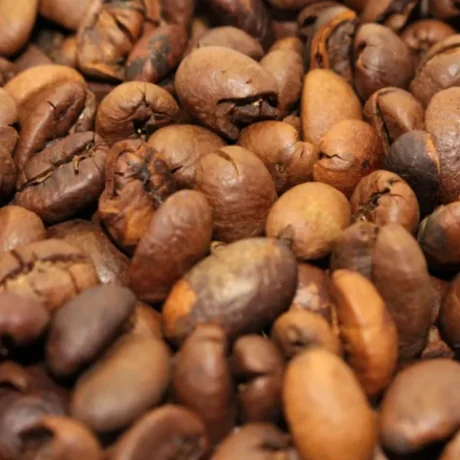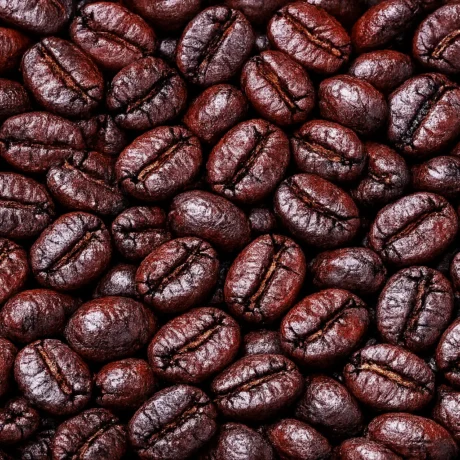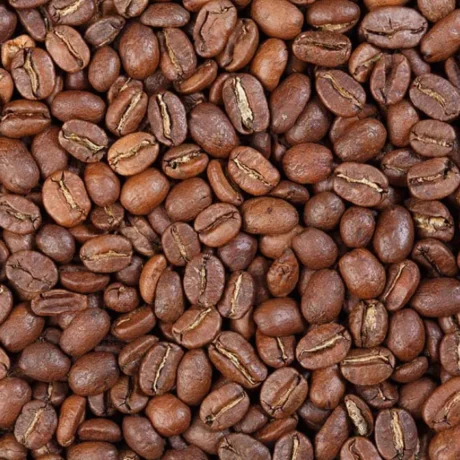

Wine coffee beans are ordinary Arabica put through an unusually long fermentation while the cherry stays whole and intact. There is no wine, no grape, no barrel, and no alcohol. The name describes what the cup reminds people of, not what goes into it. This guide covers how the process actually runs, what it does to the cup, why two lots labelled the same can differ sharply, and what to ask before you buy.
Last updated: 26 August 2026
What Are Wine Coffee Beans?
Wine coffee is a natural process taken to an extreme. Ripe cherries are held whole and unhulled through a fermentation that runs for weeks rather than the usual hours or days, drying slowly with the fruit still attached so its sugars and aromatics work into the seed.
The result reads vinous: berry, red wine, sometimes a boozy edge. Hence the name, which is a flavour descriptor and nothing more.
| Wine coffee beans | |
|---|---|
| Species | Arabica |
| Step 1: Cherry | Extended fermentation, whole cherry, natural-style |
| Step 2: Hulling | Dry-hulled |
| Fermentation length | Roughly 25 to 60 days, producer dependent |
| Alcohol content | None |
| Wine or grape used | None |
| Main Indonesian origin | Aceh Gayo, also Java, Bali, Mandheling |
| Volume | Limited, labour-intensive |
Note the Step 2 row, because it surprises buyers used to Sumatran coffee. Wine lots are dry-hulled, not wet-hulled (Giling Basah), since the cherry has to stay intact through drying. That is why a Gayo wine lot cups nothing like a standard Gayo despite sharing the same farms.
How Wine Coffee Is Actually Made
An earlier version of this page described cherries being crushed and fermented in barrels for several days. That is not the process, and the distinction matters commercially as well as technically.
Here is what actually happens.
| Stage | What happens | Why it matters |
|---|---|---|
| 1. Selective picking | Only fully ripe, sometimes slightly overripe cherry | Sugar content drives the whole ferment |
| 2. Extended fermentation | Whole unhulled cherry ferments for weeks | Native yeasts and bacteria break down fruit sugars |
| 3. Slow drying | Cherry dries intact on raised beds, turned repeatedly | Fruit aromatics migrate into the seed |
| 4. Dry hulling | Dried fruit and parchment removed together | Happens only after moisture reaches export level |
| 5. Sorting and grading | Defect sorting, screen sizing | Long ferments produce more defects to remove |
Three things are never part of it. The cherries are not crushed. There is no barrel. And no wine, grape must, or spirit touches the coffee at any point.
That last set of negatives is not pedantry. Barrel contact and wine contact are exactly the versions that raise halal questions, while extended fermentation of whole cherry does not. Describing the process loosely creates a compliance problem the actual coffee does not have.
Wine Process Is a Descriptor, Not a Specification
Here is the part that will save you money, and it is the reason two bags labelled wine coffee can taste nothing alike.
There is no standardised wine process protocol. Published producer descriptions range from around 25 to 40 days, from 30 to 60 days, and from 10 to 40 days. Some run the ferment in sealed tanks under anaerobic conditions. Others hold unhulled cherry through repeated fermentation and drying cycles in the open. Both get sold under the same two words.
So when you buy wine coffee, the label tells you the intent and almost nothing about the execution. Ask your supplier directly:
- How many days, and was the count from picking or from the start of ferment?
- Sealed or open? Anaerobic tank or extended natural on beds?
- What moisture at hulling, and was the lot dry-hulled?
- What defect count after sorting? Long ferments generate more defects, and the honest answer is a number.
A supplier who answers all four is running a controlled process. A supplier who answers none is reselling.
Evaluating wine lots for a limited release? See our pricelist or contact our team for current process records and samples.
What Wine Coffee Tastes Like, and How to Roast It
Expect fruit first. Strawberry, blackberry, and grape sit on top, with a fermented winey depth underneath and a long sweet finish. Body runs full, and the finish leans sweet rather than dry.
Acidity is where descriptions diverge, and honestly so. Our own Gayo Wine lots cup with bright acidity, natural sweetness, and notes of fruit, florals, and dark chocolate. Other producers’ wine lots read lower in acidity with a heavier, boozier character. Both are real, and which you get depends on ferment length and the base coffee, which loops back to why you ask for the protocol.
For roasting, treat these as high-sugar naturals rather than as Gayo. The fermented fruit sugars caramelise fast and the surface scorches while the core lags. Drop your charge temperature below your washed baseline, extend the drying phase, and stop earlier than instinct says. Push into second crack and you burn off precisely the aromatics the producer spent six weeks building.
For brewing, pour over shows the fruit most clearly. Water at 90°C to 96°C, ground fresh, with a slightly coarser grind than usual to keep the ferment from turning sharp. French press gives more body and less definition. Cold brew rounds the ferment into something notably sweet.
Where Indonesian Wine Coffee Comes From
Aceh Gayo is the centre of the category. Gayo highland Arabica grows at 1,200 to 1,700 metres on volcanic soil in Central Aceh, and the combination of high-grown Gayo base coffee with a long ferment is what put Indonesian wine coffee on export markets.
Other origins run it too. Java wine lots cup cleaner and more restrained on a washed-tradition base. Bali contributes brighter, more citrus-leaning versions. Mandheling wine lots go heavier.
Volume is the constraint everywhere. A six-week ferment ties up drying space and labour that a washed lot clears in days, and long ferments fail more often. That is why wine coffee prices sit well above standard Gayo, and why our pricing guide is worth reading before you budget a container.
The Naming Problem in Muslim Markets
If you sell into Indonesia, Malaysia, or the Gulf, the name is a commercial issue independent of the coffee.
LPPOM MUI criteria bar halal certification for products whose names contain the name of an alcoholic drink, and that bar applies to the label rather than the contents. So a lot that is entirely permissible to drink can still fail certification while it is called wine coffee. Producers commonly relabel to extended fermentation or fermented coffee for those markets.
Our full guide to the halal question covers what the certification bodies and scholars actually say. If naming is a constraint in your market, raise it at enquiry stage and we will document and label the lot to suit.
Frequently Asked Questions
What are wine coffee beans?
Wine coffee beans are Arabica coffee fermented for an unusually long period while the cherry stays whole and unhulled, then dried slowly with the fruit attached. The name describes the resulting berry and red-wine flavour notes. No wine, grape, or alcohol is used at any stage.
Does wine coffee contain alcohol?
No. Wine coffee contains no alcohol and no wine. The fermentation happens inside the coffee’s own fruit using native yeasts and bacteria, and the beans are then dried, hulled, and roasted. The name refers only to the vinous flavour notes the process develops.
How long is wine coffee fermented?
Published producer protocols range from roughly 10 to 60 days, most commonly 25 to 40. There is no standardised specification, so ferment length varies by producer and batch. Always ask your supplier for the actual duration and whether the ferment ran sealed or open.
What does wine coffee taste like?
Expect fruit-forward berry and grape notes with a fermented winey depth, full body, and a long sweet finish. Acidity varies considerably between producers depending on ferment length and base coffee, ranging from bright and lively to low with a heavier, boozier character.
Is wine coffee the same as barrel-aged coffee?
No. Wine coffee ferments inside its own fruit with nothing added. Barrel-aged coffee rests in casks that previously held wine or spirits, so the beans contact residues of an alcoholic liquid. The two are entirely different processes and raise different questions.
How should I roast wine process coffee?
Treat it as a high-sugar natural rather than a standard Gayo. Fermented fruit sugars caramelise quickly and scorch the surface, so lower your charge temperature, extend the drying phase, and finish earlier. Pushing into second crack destroys the aromatics the long ferment produced.
Buy Gayo Wine Green Coffee from Indonesia Specialty Coffee
Indonesia Specialty Coffee supplies Gayo Wine Green Coffee Beans from the Aceh Gayo Highlands at 1,200 to 1,700 metres, graded against SNI 01-2907-2008 as Grade 1 Specialty, 82 to 88 SCA points, moisture at or below 12.5%. FOB Belawan from Medan, Halal certified, with Organic and Rainforest Alliance available on request.
Production is limited by the fermentation window, so wine lots move on harvest timing rather than sitting in stock. Tell us your target month early. Order tiers run 1 kg cupping samples, 60 kg microlot, 350 kg wholesale, and container loads from 9 MT. Ask for the ferment duration and defect count with your sample, because that is what separates a controlled lot from a lucky one. Browse our green coffee beans.