Indonesian coffee vs Colombian coffee is decided by one variable more than any other: how the parchment comes off. Indonesia wet-hulls at high moisture and produces heavy, low-acid, earthy cups. Colombia fully washes and dry-hulls, producing clean, bright, consistent ones. This comparison covers varieties, processing, harvest windows, grading, and which origin fits which part of your program.
Last updated: August 2026
Indonesian Coffee vs Colombian Coffee at a Glance
Both countries sit in the top four producers worldwide. According to the International Coffee Organization, Colombia ranks third by volume and Indonesia fourth. They arrive at very different cups from there.
| Indonesian coffee | Colombian coffee | |
|---|---|---|
| Species grown | Arabica, Robusta, Liberica | Almost exclusively Arabica |
| Altitude | 1,100 to 2,100 masl | 1,200 to 2,000 masl |
| Step 1: Cherry | Mostly semi-washed | Mostly full-washed |
| Step 2: Hulling | Mostly wet-hulled (Giling Basah) | Dry-hulled |
| Acidity | Low | Bright, clean |
| Body | Heavy, syrupy | Medium, silky |
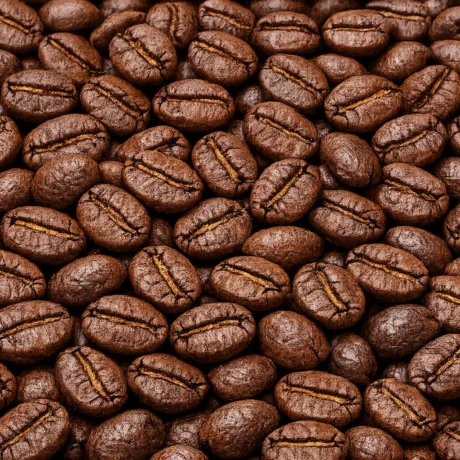
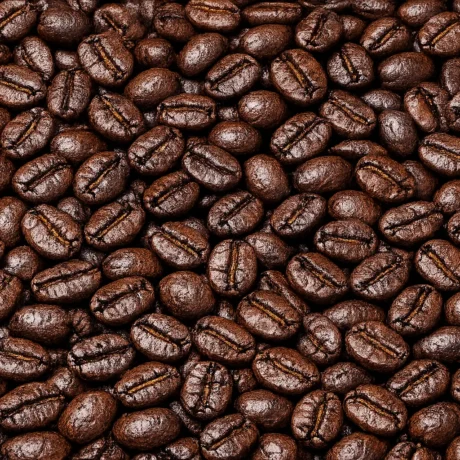
| Flavor signature | Earthy, cedar, cocoa, spice | Citrus, caramel, nuts, chocolate |
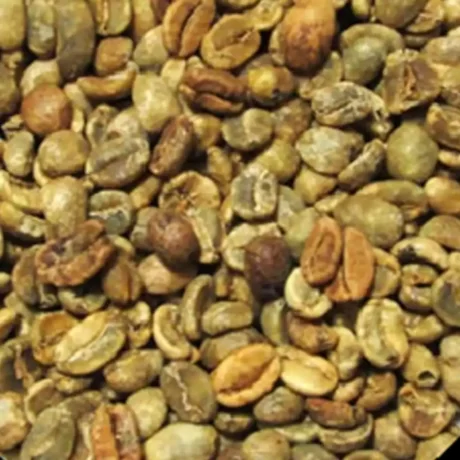
| Bean appearance | Bluish green, swollen, irregular | Uniform colour and size |
| Harvests per year | One per region, staggered by island | Two in most regions |
| Grading system | SNI 01-2907-2008, defect value | Screen size: Supremo, Excelso |
Note the appearance row. Indonesian wet-hulled lots look irregular and bluish next to Colombian washed beans, and buyers new to the origin sometimes read that as a defect. It is what the process produces, and defect grading is done on count, not on looks.
Growing Conditions and Varieties
Indonesia is an archipelago of more than 17,000 islands with volcanic andisol soils, high humidity, and heavy rainfall. Colombia is a single Andean spine with three mountain ranges, moderate temperatures, and rainfall spread through the year. That structural difference explains almost everything downstream.
Indonesia grows three commercial species. Colombia grows one.
| Country | Common varieties |
|---|---|
| Indonesia | Typica, Bourbon, Catimor, Tim Tim (Hibrido de Timor), Gayo 1, Gayo 2, Ateng, S-795, Sigararutang |
| Colombia | Caturra, Castillo, Colombia, Typica, Bourbon, Tabi |
Colombia’s variety mix is shaped by one institution. Cenicafé, the research arm of the Federación Nacional de Cafeteros, bred Castillo and Colombia specifically for leaf rust resistance, and Castillo is now the most widely planted variety in the country. Indonesia has no equivalent national breeding programme, so variety distribution follows regional history instead: Tim Tim and Gayo selections dominate Aceh, S-795 shows up in Java, Sigararutang across West Java.
Indonesia also produces Fine Robusta at cupping quality, which Colombia does not grow at all. If your blend needs body and crema from a Robusta that is not a commercial-grade filler, that option exists only on the Indonesian side of this comparison.
Processing: Wet-Hulled vs Fully Washed
This is the real fault line, and it needs the two-step framework to describe properly. Step 1 is the cherry method. Step 2 is the hulling method. Giling Basah is a Step 2 term, not a processing category of its own.
Indonesia: semi-washed, wet-hulled. Cherries are pulped and briefly fermented, then partially dried. Parchment is stripped at 35% to 40% moisture, far wetter than anywhere else in the world, and the exposed bean finishes drying to 11% to 12.5%. The bean swells, its cell structure opens, and it takes on the bluish-green colour and irregular shape buyers recognise. Cup result: very low acidity, heavy syrupy body, earthy cedar and cocoa depth.
Colombia: full-washed, dry-hulled. Cherries are pulped, fermented in tanks for 12 to 24 hours to break down mucilage, washed clean, then dried in parchment to 10% to 12% before hulling. The parchment stays on until the bean is fully dry and protects it throughout. Cup result: clean, bright acidity, transparent varietal character, high batch consistency.
Neither is a quality ranking. Wet-hulling exists because Indonesian humidity makes long parchment drying impractical, and it produces a flavour profile no other origin can replicate. Fully washed processing produces clarity and repeatability.
Both countries now run natural process, honey process, and experimental fermentations alongside the dominant method, and those Indonesian lots are dry-hulled rather than wet-hulled.
Comparing Indonesian lots against your current Colombian supply? See our pricelist or contact our team for samples and specifications.
Harvest Timing and Supply Planning
Harvest structure is where the two origins diverge commercially, and it is the part most comparison articles get wrong.
Colombia has a main harvest and a secondary harvest. The secondary one is called the mitaca or traviesa, known in English as the fly crop, and it accounts for roughly 30% to 40% of annual yield against 60% to 70% for the main crop. The mitaca is the smaller crop, not the main one. Timing also inverts across the country: the centre and centre-south harvest their main crop around October to February while the south, including Huila and Nariño, runs on a different cycle. The practical effect, as industry harvest guides note, is that Colombian coffee is available nearly year-round.
Indonesia works differently. Each region has one main harvest, but the regions are staggered across islands, so the country supplies through much of the year even though no single origin does. Our Gayo main harvest falls June to August, with the full season running May to September.
That difference should shape how you contract. Colombian supply lets you reorder the same regional profile at several points in the year. An Indonesian single origin does not, so if a Gayo lot anchors your espresso blend, you buy the volume you need when the crop lands rather than assuming you can top up in March.
Grading: SNI vs Supremo and Excelso
The two countries grade on entirely different criteria, which matters when you compare specifications side by side.
| Indonesia | Colombia | |
|---|---|---|
| Standard | SNI 01-2907-2008 | Screen size classification |
| Top grade | Grade 1 Specialty | Supremo |
| Basis | Defect value count | Bean size |
| Grade 1 threshold | Defect value 11 or lower | Screen 17 to 18 and above |
| Second tier | Grade 2, defect value 25 or lower | Excelso, screen 14 to 16 |
| Moisture cap | 12.5% | Typically 10% to 12% |
Supremo and Excelso describe bean size, not cup quality. A Supremo lot is larger, not necessarily better. Indonesian Grade 1 describes defect count, which is closer to a quality measure but says nothing about size. Neither is an SCA cupping score, so ask for the score separately whichever origin you are buying.
Which Origin Fits Your Program?
The question is not which country wins. It is which job each coffee does on your menu.
Choose Colombian when you need clean acidity, transparent varietal character, a filter single origin your customers already recognise, or year-round availability of a consistent profile.
Choose Indonesian when you need body and low acidity for an espresso base, weight in a blend that lighter origins cannot supply, a distinctive origin story, Kopi Luwak or Fine Robusta, or a profile that holds up under milk and darker roasting.
Most serious programs carry both. They are not competing for the same slot. A Sumatra Mandheling and a Huila do different work, and a blend built on Indonesian body with Colombian brightness on top is one of the most durable combinations in the trade.
One roasting note. Wet-hulled Indonesian beans carry lower bulk density and a more open cell structure than Colombian washed lots of the same screen size. Run your Colombian profile on them and you will scorch the surface before first crack. Drop the charge temperature 5°C to 8°C.
Frequently Asked Questions
What is the difference between Indonesian and Colombian coffee?
Indonesian coffee is mostly semi-washed and wet-hulled, giving low acidity, heavy body, and earthy cedar notes. Colombian coffee is mostly full-washed and dry-hulled, giving bright acidity, clean sweetness, and citrus or caramel notes. Processing drives the difference more than geography does.
Is Colombian coffee better than Indonesian coffee?
Neither is better, they serve different purposes. Colombian lots suit filter programs needing clarity and year-round consistency. Indonesian lots suit espresso bases and blends needing body and low acidity. Most roasters carry both, since one cannot substitute for the other.
What is Giling Basah?
Giling Basah, or wet-hulling, is the Indonesian method of removing parchment while the bean still holds 35% to 40% moisture, then drying it further. It is a hulling step, not a cherry processing method, and it produces Indonesia’s characteristic heavy body and low acidity.
What is mitaca in Colombian coffee?
Mitaca, also called traviesa or the fly crop, is Colombia’s secondary harvest. It accounts for roughly 30% to 40% of annual yield, against 60% to 70% for the main crop, and arrives about six months later. It is the smaller harvest, not the main one.
Which has more caffeine, Indonesian or Colombian coffee?
Colombia grows almost only Arabica, while Indonesia grows both Arabica and Robusta. Indonesian Robusta carries roughly twice the caffeine of Arabica by weight. Compared Arabica to Arabica, the two origins are broadly similar, so the species you buy matters far more than the country.
Can I blend Indonesian and Colombian coffee?
Yes, and it is a common pairing. Indonesian lots supply body, low acidity, and cocoa depth, while Colombian lots supply brightness and sweetness on top. The combination holds up well under milk and gives espresso blends weight without losing definition.
Buy Indonesian Green Coffee from Indonesia Specialty Coffee
Indonesia Specialty Coffee supplies Grade 1 Specialty green coffee at 82 to 88 SCA points, graded against SNI 01-2907-2008 with a defect value of 11 or lower and moisture at or below 12.5%. We ship FOB Belawan from Medan, with Halal certification on every lot and Organic or Rainforest Alliance available on request.
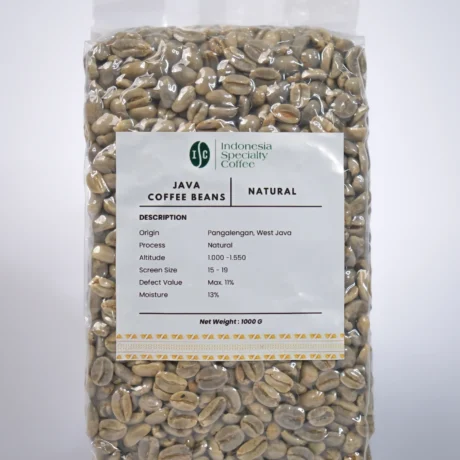
Our range covers Arabica Gayo, Mandheling, Lintong, Sulawesi Toraja, Bali Kintamani, Java, Flores, Liberica, and wild-certified Kopi Luwak. Our guide to Indonesian coffee regions compares them by altitude and processing.
Order tiers run 1 kg cupping samples, 60 kg microlot, 350 kg wholesale, and container loads from 9 MT. If Colombian lots already anchor your filter menu, take one wet-hulled Indonesian sample and cup it against them. The gap makes the case on its own. Browse our green coffee beans.